
Espagnolette Gearbox Failure: Signs, Causes and Solutions
Espagnolette Gearbox Failure: Signs, Causes and Solutions What is an espagnolette gearbox? An espagnolette is the mechanism that converts rotation of a win...
Espagnolette Gearbox Failure: Signs, Causes and Solutions
What is an espagnolette gearbox?
An espagnolette is the mechanism that converts rotation of a window or door handle into linear movement of locking points. The gearbox is the small enclosed mechanism that drives that conversion; it houses the gears, selector and spindle that operate the multipoint gear or shootbolts. Espagnolette gearboxes are used across timber, uPVC and aluminium casement windows and French doors; they can be metal or plastic and are often modular so they can be replaced as a unit.
Common signs of gearbox failure
- Handle spin with no engagement: the handle turns freely but locks or unlocks do not move.
- Loose or wobbly handle: significant play at the handle where the spindle does not grip the gearbox.
- Grinding or crunching noises when operating the handle.
- Handle not returning to its neutral position or sagging after operation.
- Top and bottom shootbolts failing to engage fully; one locking point works while others stay retracted.
- Handle hard to operate; stiff or jerky movement suggests binding inside the gearbox or misalignment of the espagnolette rod.
- Visible wear or broken plastics on the gearbox face or selector.
Typical causes of failure
- Wear and stripped gears: repeated use causes metal or plastic teeth to fatigue and strip; plastic components are particularly vulnerable to shear stresses.
- Corrosion and water ingress: screws, springs and gears corrode, especially on older aluminium frames or poorly sealed installations, leading to seizure.
- Misalignment: sash or frame movement over time causes the espagnolette rod or keeps to be out of alignment; this overloads the gearbox.
- Debris and dirt: grime in the gearbox or around keeps creates friction and prevents smooth movement.
- Incorrect handle operation: forcing the handle when catches are not releasing can shear selector pins or damage gears.
- Poor installation: wrong spindle length, incorrect gearbox orientation or over-tightened fixings can induce stress and premature failure.
- Age and material fatigue: plastic cassettes and nylon gear components degrade over time, especially in cold conditions.
Initial checks for DIYers and tradespeople
Before replacing a gearbox, perform these simple checks to confirm the gearbox is the problem and not another component.
- Operate the handle while watching the gearbox and espagnolette rod: does the selector move? Are the shootbolts attempting to extend?
- Remove the handle and check the spindle: is it intact and gripping the gearbox or is it rounded off?
- Lubricate pivot points and the gearbox exterior with a specialist dry silicone spray; avoid using heavy grease inside plastic gearboxes.
- Check keeps and strike plates for damage and alignment; adjust keeps where possible to reduce load on the gearbox.
- Listen for where the noise originates: if it is inside the cassette the gearbox is likely faulty; if it is at the keeps the problem may be alignment.
DIY repair and replacement steps
Replacing an espagnolette gearbox is a common DIY task for competent homeowners and straightforward for trade professionals. Always isolate any locking mechanism first; if a door is a primary security door consider calling a professional to avoid compromising safety.
- Tools required: screwdriver set, replacement gearbox cassette matching original, silicone spray lubricant, small brush, measuring tape and marker.
- Remove handle(s): undo the handle grub screws and remove the handle to expose the spindle and gearbox faceplate.
- Unscrew the gearbox faceplate and withdraw the gearbox: note orientation and any spacer plates or washers.
- Compare old and new gearboxes: match spindle size, cassette length and fixing positions. If unsure, take the old unit to a supplier or photograph it for replacement.
- Clean the area and grease only where specified: use light machine oil or specified gearbox grease for metal components; for plastic cassettes use dry silicone spray sparingly.
- Fit the new cassette, secure fixings without over-tightening and refit the handle. Test operation through full travel, checking that all locking points operate smoothly.
- Adjust keeps if required: a slight adjustment can prevent unnecessary load on the new gearbox and extend service life.
Trade-level solutions and professional advice
For window and door specialists the following best practice will help achieve reliable repairs and reduce callbacks.
- Carry a range of common gearbox cassettes, spindles and handles; measuring and stock control reduces site delays.
- Check the entire espagnolette rod and keeps during a repair; replacing the gearbox without addressing misaligned keeps will lead to repeat failure.
- Use OEM or high-quality aftermarket gearboxes that match original specifications; cheap universal cassettes can fail quickly.
- Where corrosion is present, replace corroded fixings and treat mating surfaces with corrosion inhibitor; consider stainless fixings in coastal locations.
- Document spindle lengths, rotation type and gearbox dimensions for recurring clients; keep templates for common systems.
- Train installation teams on correct handle torque and the importance of sash alignment; over-torqued screws and out-of-square frames are frequent causes of gearbox stress.
Maintenance to prevent future failures
- Lubricate moving parts twice yearly with an appropriate lubricant; use dry silicone for external areas and a light oil for discrete metal gear parts where recommended by the manufacturer.
- Inspect handles and fixings annually; early detection of spindle wear prevents gearbox damage.
- Keep keeps free of paint build-up and debris; adjust keep position if shootbolts are scraping or failing to fully engage.
- Address condensation or water ingress issues; ensure drainage paths and seals are intact to reduce corrosion risk.
When to call a professional
If the failure compromises security, if multiple locking points are damaged, or if the window or door needs sash removal to access the gearbox, call a qualified window and door engineer. Also seek professional help if you are unsure of the correct replacement part; an incorrect gearbox can make the situation worse.
Additional resources
For technical background on espagnolette systems and examples of gearbox types see our pillar page: /guides/espagnolette-window-locks. That page contains diagrams and component lists that make identifying the correct replacement easier.
Recommended Products
Based on this article, you may find these products helpful:
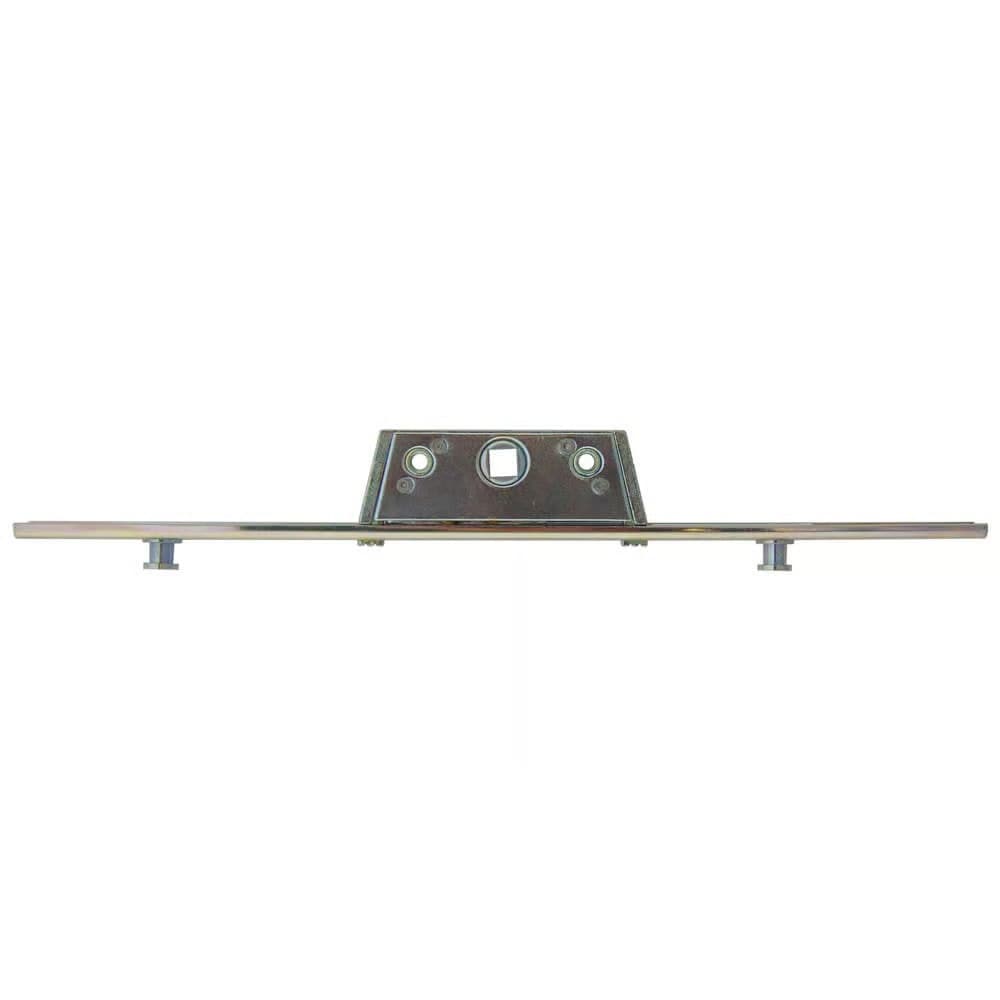
- ERAB Espagnolette Window Lock Universal Lock Replacement
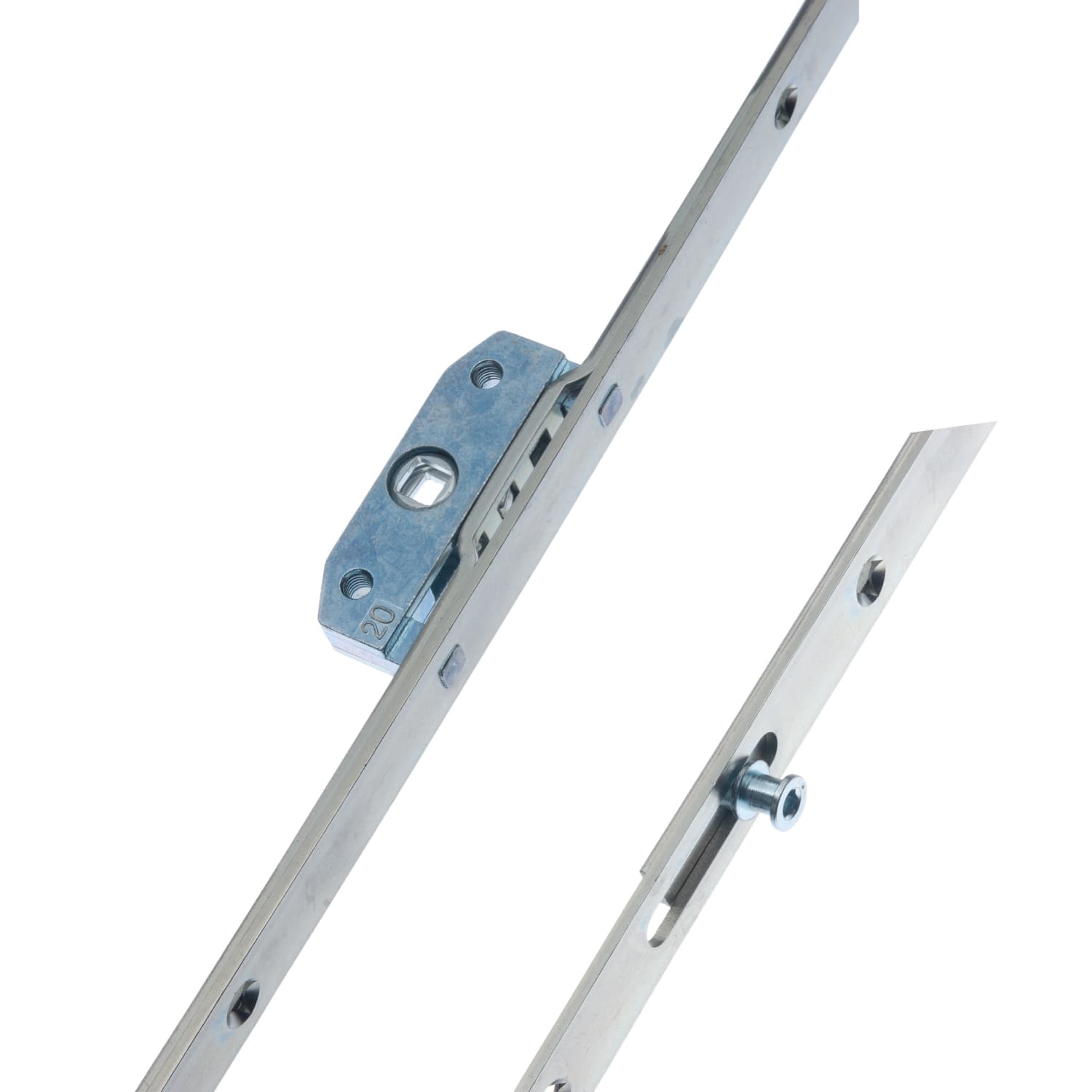
- Avocet Slimline Offset Window Espag
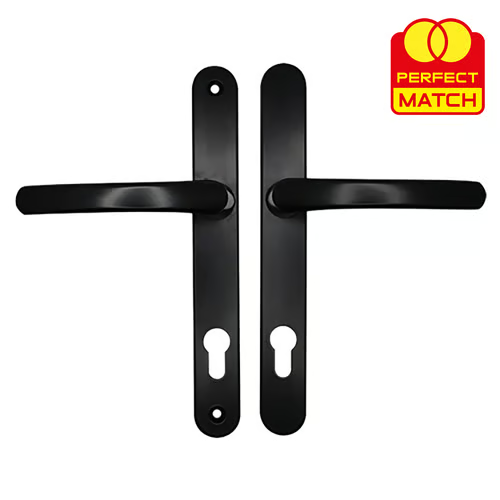
- TSS Door Handle Lever
- TSS Door Handle Lever Short
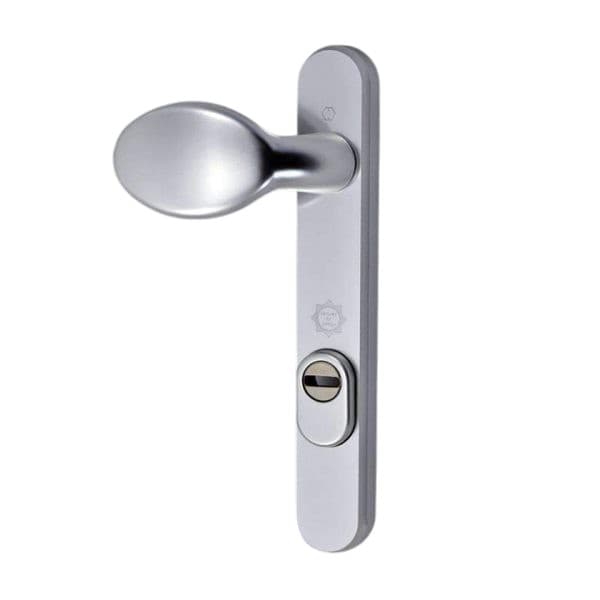
- Affinity Security Door Handle
Conclusion and next steps
Espagnolette gearbox failure shows itself as loose or non-functioning handles, grinding noises or incomplete engagement of locking points. Frequently the correct solution is a cassette replacement combined with keep adjustments and a check for alignment or corrosion. For a DIY repair: remove the handle, compare the old cassette with a like-for-like replacement, clean and lightly lubricate, then refit and test. For trade professionals: stock common cassettes, check keeps and frame alignment, and use OEM-quality parts. If security is affected or the installation is complex, arrange a professional inspection and replacement.
Related articles
Window Gearbox Maintenance: Keeping Your Locks Working Smoothly
Window Gearbox Maintenance: Keeping Your Locks Working Smoothly A well maintained window gearbox keeps casement and tilt-and-turn windows operating smoothl...
Troubleshooting Shootbolt Problems: A Window Fitter's Guide
Troubleshooting Shootbolt Problems: A Window Fitter's Guide Shootbolts are a small but vital component in many modern window and patio door locking systems...
What Is a Shootbolt Lock? Complete Guide to Window Security
What Is a Shootbolt Lock? Complete Guide to Window Security What is a shootbolt? A shootbolt is a mechanical locking element commonly used in windows and d...