
How Shootbolts Work: Understanding Top and Bottom Locking Points
How Shootbolts Work: Understanding Top and Bottom Locking Points Shootbolts are a common locking method used on windows and doors to provide secure top and...
How Shootbolts Work: Understanding Top and Bottom Locking Points
Shootbolts are a common locking method used on windows and doors to provide secure top and bottom locking points. Often found on casement windows, French doors and inactive leaves of patio doors, a shootbolt is a rod or bolt that runs vertically and extends into a keep in the frame when the handle is turned. This simple action provides additional resistance to lifting and prying while also helping to compress seals for weatherproofing.
Basic components and operation
A typical shootbolt system consists of these parts:
- Centre case or espagnolette mechanism: the central lock actuated by the handle or key.
- Shootbolt rods: the vertical rods that slide up and down; these can be single-piece or multi-stage.
- Keeps or sockets: metal plates fixed to the head and cill that receive the extended bolts.
- Faceplates and end plates: decorative and protective plates fixed to the sash edge and frame.
When the handle is operated, the centre mechanism converts rotational movement into linear motion, pulling the shootbolts into the keeps. On many modern systems the handle action both engages the central latch and extends the top and bottom shootbolts simultaneously. On French doors, the inactive leaf is often locked with a key-operated barrel from the outside and a handle on the inside that operates the shootbolts.
Why top and bottom locking points matter
Top and bottom shootbolts serve several important functions:
- Security: They prevent the sash or inactive leaf being lifted out of its frame and reduce leverage points for forced entry.
- Stability: They reduce racking or twisting of larger panels; this prolongs seal life and maintains alignment.
- Weather performance: By drawing the sash tight into the frame, shootbolts improve compression on gasket seals and reduce draughts and water ingress.
For larger windows and doors, a single central deadbolt is rarely enough. Distributing locking points top and bottom improves both security ratings and long-term performance.
Types of shootbolt systems
Choose a system to match the material and manufacture of the window or door:
- Integrated espagnolette with built-in shootbolts: common on uPVC and aluminium casements; one rod action operates several locking hooks and shootbolts.
- Separate shootbolt kits: common for timber doors and older timber windows; rods can be morticed into the stile and linked to a central lock.
- Automatic shootbolts: these engage when the door is closed, useful for accessibility but ensure compliance with fire escape and building regulations.
Consider finish, rod diameter and throw length when specifying: trade-quality shootbolts are usually stainless or zinc-plated steel for corrosion resistance; throw lengths commonly range from 12mm to 20mm depending on application.
Practical trade advice for specification
When specifying shootbolts for a job, follow these trade pointers:
- Match the shootbolt to the frame material: use reinforcement-backed keeps for uPVC; use long timber screws for timber frames.
- Choose appropriately sized keeps: ensure the keep's mouth accepts the bolt profile and allows some tolerance for weather movement.
- Use security-rated components for higher-risk locations: pairing robust shootbolts with an accredited espagnolette centre helps meet PAS 24 or Secured by Design targets.
- Positioning: locate the top shootbolt into the head and the bottom into the cill or threshold; centre-to-centre measurements must allow the bolt to enter the keep without resistance.
- Fixings: use countersunk, high-quality screws; for timber use screws long enough to penetrate the structural timber, typically 40mm to 50mm.
DIY installation and adjustment tips
For competent DIYers replacing or fitting a shootbolt, these steps and cautions will help:
- Tools: drill, router or chisel for mortice work, square, pencil, centre punch, screwdriver, and a spirit level.
- Template: use the manufacturer template to mark the positions for the centre case and keeps. Accurate marking is crucial; a millimetre or two misalignment causes binding.
- Morticing: remove material carefully, taking conservative cuts. It is easier to remove more material than to fill an oversized mortice.
- Test fit before final fixing: clamp the sash and operate the handle to check that the shootbolts enter the keeps smoothly. Adjust keep positions slightly if required.
- Lubrication: use a dry PTFE or graphite lubricant on moving parts; avoid heavy oils that attract dust and gum up the mechanism.
- Safety: for glass doors and windows consider removing the sash or supporting it while you work. If in doubt consult a professional fitter; incorrect installation can compromise security and weather performance.
Maintenance and trouble-shooting
Routine checks will keep shootbolts functioning properly:
- Operate the lock monthly to ensure free movement and to detect wear early.
- Check screws and keeps for loosening; retighten and replace stripped fixings promptly.
- If the bolt binds, check for frame movement, warped sashes or swollen timber; correct sash alignment first before forcing the mechanism.
- Replace corroded bolts or keeps rather than trying to straighten them; replacement components are inexpensive compared with the cost of a compromised lock.
Compatibility with other hardware
Shootbolts work best as part of a coordinated locking system. When specifying or upgrading hardware consider these co-ordinations:
- Handles: choose handles with the correct spindle length and torque rating to operate the centre case reliably.
- Cylinders and escutcheons: ensure cylinder position and projection allow key operation without fouling associated head or cill detail.
- Thresholds: when a bottom shootbolt enters a low threshold, provide a reinforced keep and seal detail to avoid water traps.
Recommended Products
Based on this article, you may find these products helpful:
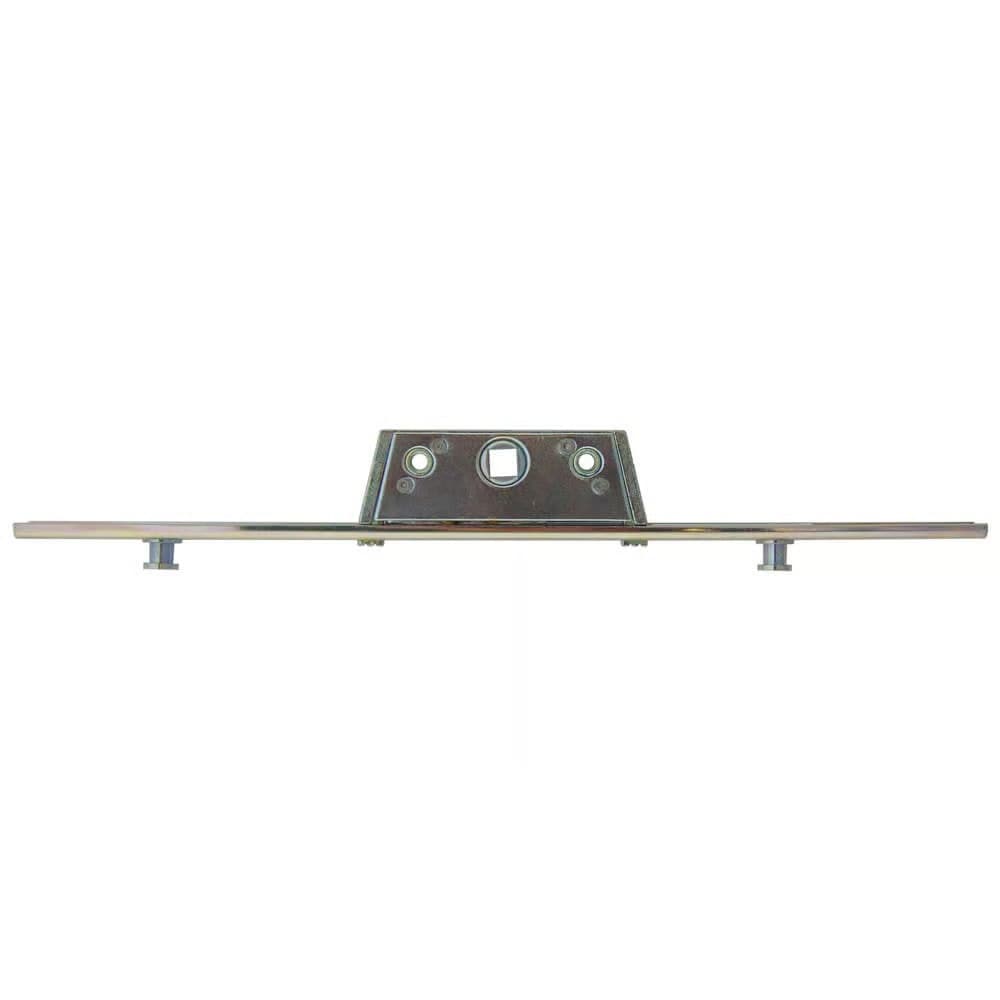
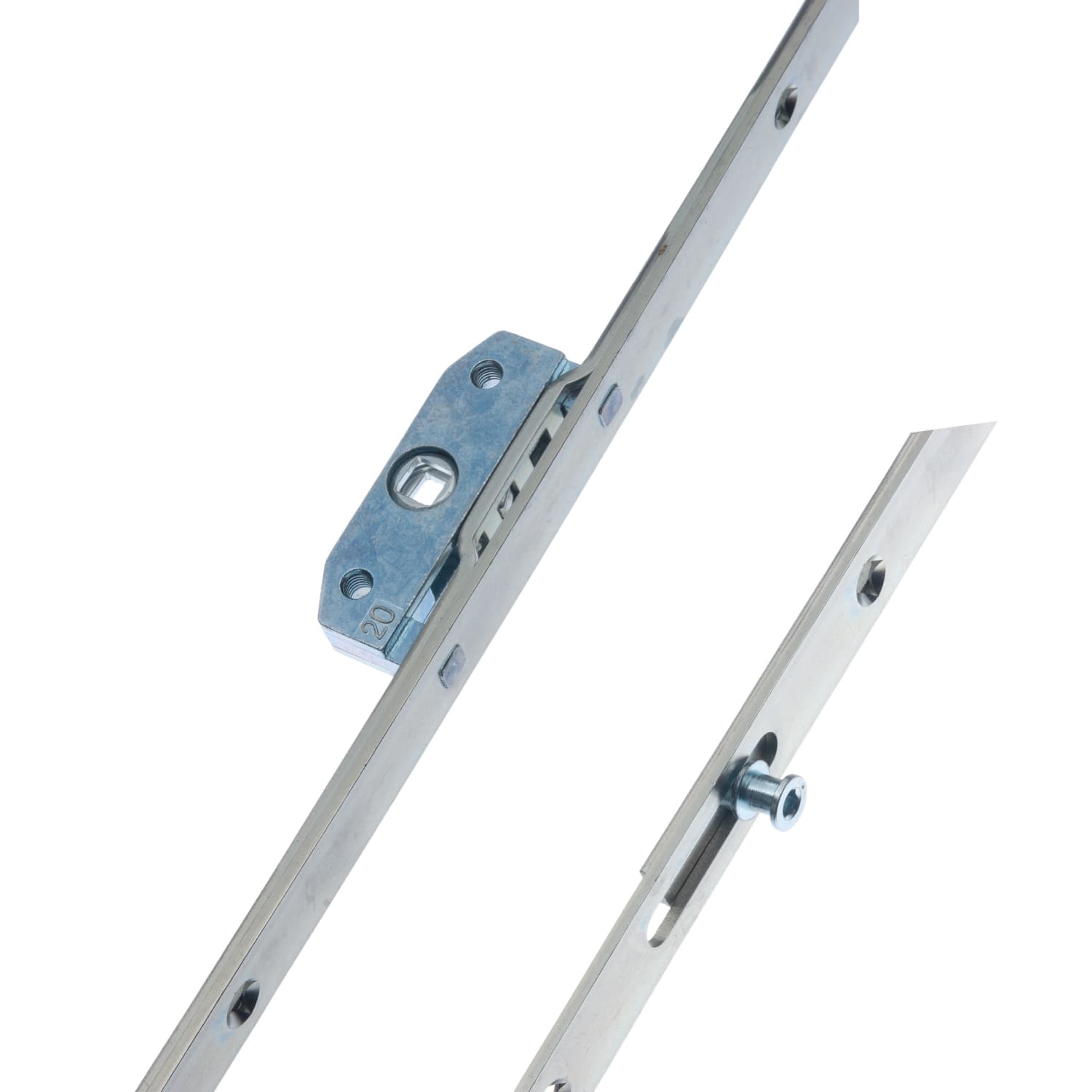
- ERAB Espagnolette Window Lock Universal Lock Replacement
- Avocet Slimline Offset Window Espag
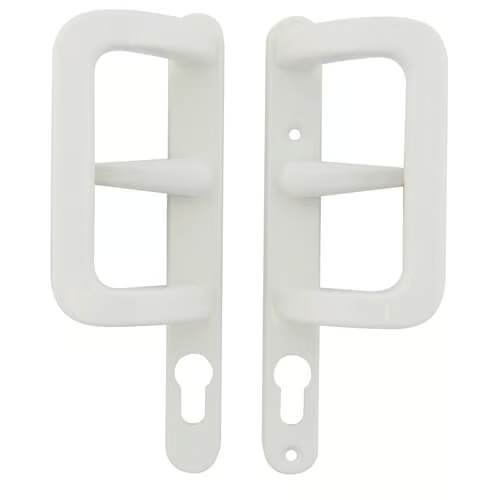
- Patio Door Handle Set - 92PZ White
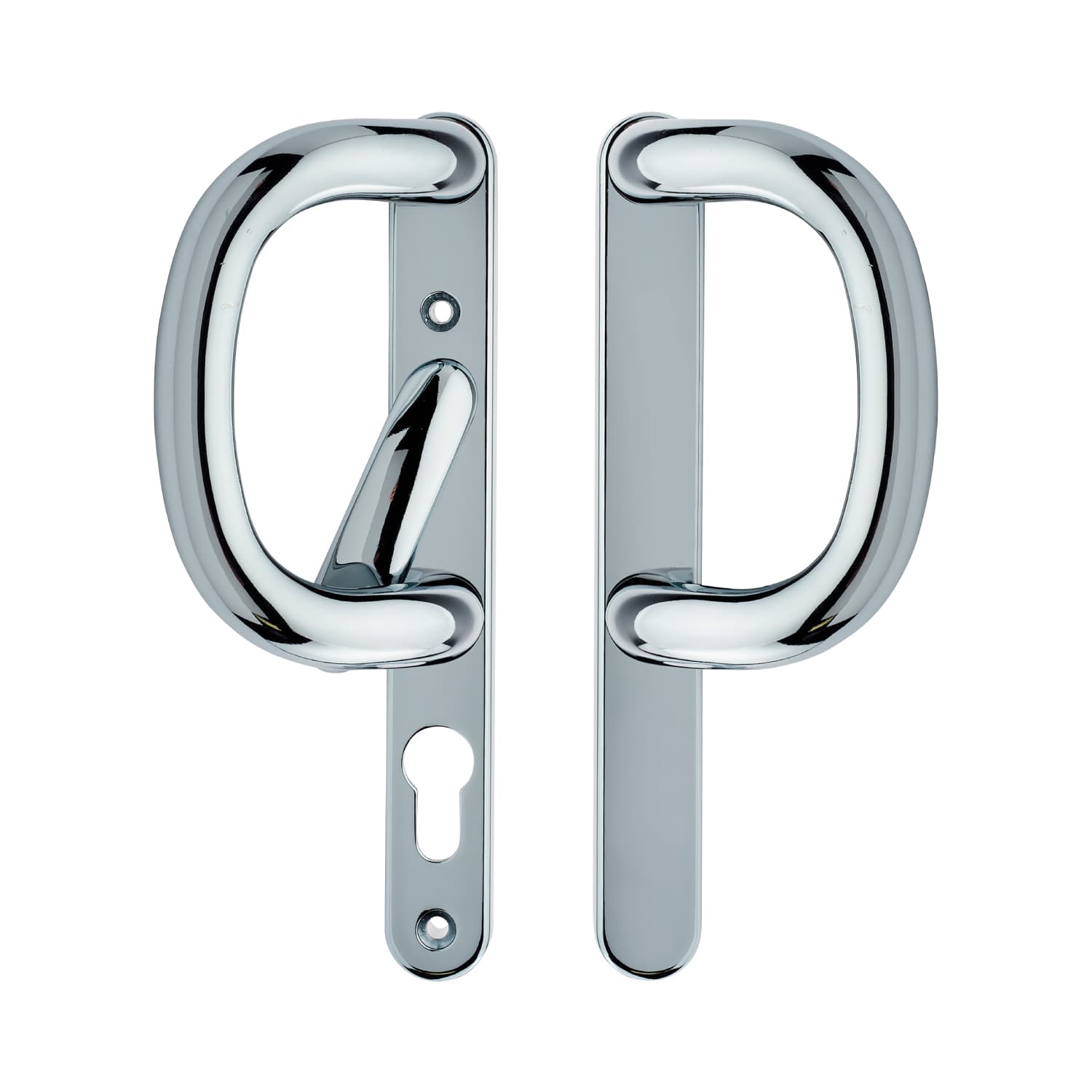
- Winlock Patio Door Handle Set
- Pembroke Locking And Dummy Patio Door Handle
Conclusion and next steps
Shootbolts provide essential top and bottom locking points that improve security, stability and weather performance for windows and doors. For trade professionals, specifying the correct type, keeps and fixings is key to achieving robust, long-lasting installations. For DIYers, accurate marking, careful morticing and regular testing will deliver a reliable result.
Next steps: check your application against the espagnolette guidance at /guides/espagnolette-window-locks; if you need further help, measure the sash and frame, note the material and hand of the opening, and contact a Window Hardware Store adviser for recommendations on parts and templates.
Related articles
Window Gearbox Maintenance: Keeping Your Locks Working Smoothly
Window Gearbox Maintenance: Keeping Your Locks Working Smoothly A well maintained window gearbox keeps casement and tilt-and-turn windows operating smoothl...
Troubleshooting Shootbolt Problems: A Window Fitter's Guide
Troubleshooting Shootbolt Problems: A Window Fitter's Guide Shootbolts are a small but vital component in many modern window and patio door locking systems...
What Is a Shootbolt Lock? Complete Guide to Window Security
What Is a Shootbolt Lock? Complete Guide to Window Security What is a shootbolt? A shootbolt is a mechanical locking element commonly used in windows and d...