
How to Replace an Espagnolette on uPVC Windows: Step-by-Step Guide
How to Replace an Espagnolette on uPVC Windows: Step-by-Step Guide An espagnolette is the multi-point locking mechanism used on most uPVC casement windows....
How to Replace an Espagnolette on uPVC Windows: Step-by-Step Guide
An espagnolette is the multi-point locking mechanism used on most uPVC casement windows. Worn espagnolette gear is a common cause of handles feeling loose, lock points failing to engage, or windows not sealing properly. This article covers practical, trade-level and DIY steps to replace an espagnolette on a uPVC window safely and correctly, including what measurements and parts to check before you start.
Before you start: checks, parts and tools
Do not guess the replacement. Take time to identify the existing espagnolette type and measure accurately; ordering the wrong part wastes time and can damage the sash. Key checks:
- Identify the gearbox and rod style: one-piece espagnolette units have riveted rods; modular systems have separate rods and a replaceable centre gearbox.
- Measure and note: overall rod length and shape, centre-to-centre distances, backset, spindle size and orientation. Most uPVC window handles use a 7mm square spindle; confirm this before ordering.
- Note handing: which way the gearbox operates relative to the handle; take photos with the handle in the closed (vertical) position so you can reinstall in the same orientation.
- Gather tools: cross-head and flat screwdrivers, 2–4mm Allen keys, pliers, slim-line socket for spindle if needed, a tape measure, marker, small hammer and centre punch, lubricant (silicone or graphite spray), and replacement rivets or screws. If drills are needed, use small bits for rivet removal.
- Get the right replacement: buy a direct espagnolette replacement or a repair kit that matches the rod profile and length; trade professionals often carry universal repair kits for common profiles.
Step-by-step removal
Follow these steps methodically. If the window is an upstairs unit, support the sash by propping it or having an assistant hold it; do not let a loose sash drop onto the frame or glass.
- Step 1: Remove the handle. Most uPVC handles have a small grub screw beneath the rose or a plastic cap covering the fixing. Remove the cap and undo the grub screw; pull the handle off the spindle.
- Step 2: Open the window to the fully open position. This gives clear access to the espagnolette rods running along the inner face of the sash. If it is a tilt facility, set it to the fixed open position rather than tilt.
- Step 3: Remove any cover strips or beading clips that hide the rod fixings. Some systems have plastic clips holding the rods to the sash; others use rivets. Keep any reusable clips for reassembly.
- Step 4: Unfasten the gearbox faceplate screws. There are usually two screws along the faceplate edge of the sash; remove these to release the centre gearbox from the sash.
- Step 5: Detach the rods. If rods are clipped in, depress the clip and slide the rod free. If they are riveted, drill out the rivets carefully until the rod comes free. Take photographs of the rod positions and orientation while removing; this makes reassembly much easier.
- Step 6: Withdraw the gearbox and rods from the sash. Handle with care to avoid snapping the plastic sash or the remaining clips.
Fitting the new espagnolette
Reinstallation is the reverse of removal but requires careful alignment and lubrication for long life and smooth operation.
- Step 7: Compare the new gearbox and rods with the old parts. Ensure the spline for the spindle matches the handle; ensure the locking cams or mushrooms are in the same positions as the original; if not, reposition before fitting.
- Step 8: Fit the rods into the sash. Slide rods into position and secure with the original clips or replace rivets where necessary. If you drilled out rivets, fit new ones of the same diameter; use stainless or aluminium rivets to avoid corrosion.
- Step 9: Refit the gearbox into the sash and secure the faceplate screws. Do not fully tighten until you have checked movement and alignment; a little adjustment can make a big improvement to operation.
- Step 10: Lightly lubricate moving parts with a suitable silicone spray or white grease designed for locks; avoid heavy oil which attracts dirt. Move the handle through its full travel to work the lubricant in and verify that the locking pins engage smoothly.
- Step 11: Refit the handle and test. With the window closed, operate the handle up and down to ensure locking lugs engage the keeps. If the handle is stiff or the lock points do not align, you may need to adjust the keeps or fine-tune the sash position.
Adjustment and troubleshooting
Common issues after fitting include misaligned keeps, stiff operation or a handle that rotates without engaging. Practical ways to address these:
- Keep adjustment: many keeps have slotted fixing holes to allow small adjustments. Loosen the screws, nudge the keep into position and retighten. If the keep has been worn, replace it rather than forcing an alignment.
- Sash alignment: ensure the sash sits square in the frame; hinges may need minor adjustment. Top and bottom hinge adjustment screws move the sash vertically and laterally; trade users will have familiarity with common hinge types.
- Handle plays on spindle: check for the correct spindle size and that the handle grub screw is torqued correctly into the flat of the spindle; use a threadlocker if the grub screw loosens frequently.
- Rivets or clips failing: use stainless steel rivets of the same diameter and head type; if clips are brittle, replace with new ones often included in repair kits.
Trade tips and safety notes
- Stock common espagnolette lengths and a universal repair kit for faster job turnaround. Measure the most common profiles on your customers’ windows and keep spares.
- Photograph each job before removing parts; this reduces mistakes and speeds up reassembly.
- If the sash is older and the bead is brittle, be cautious when removing cover strips. Use a plastic trim tool to avoid scoring the uPVC.
- If you are unsure about structural problems, hinge failure or complex multipoint systems, escalate to a specialist installer rather than forcing a repair. Incorrect fitting can compromise security and weather performance.
Recommended Products
Based on this article, you may find these products helpful:
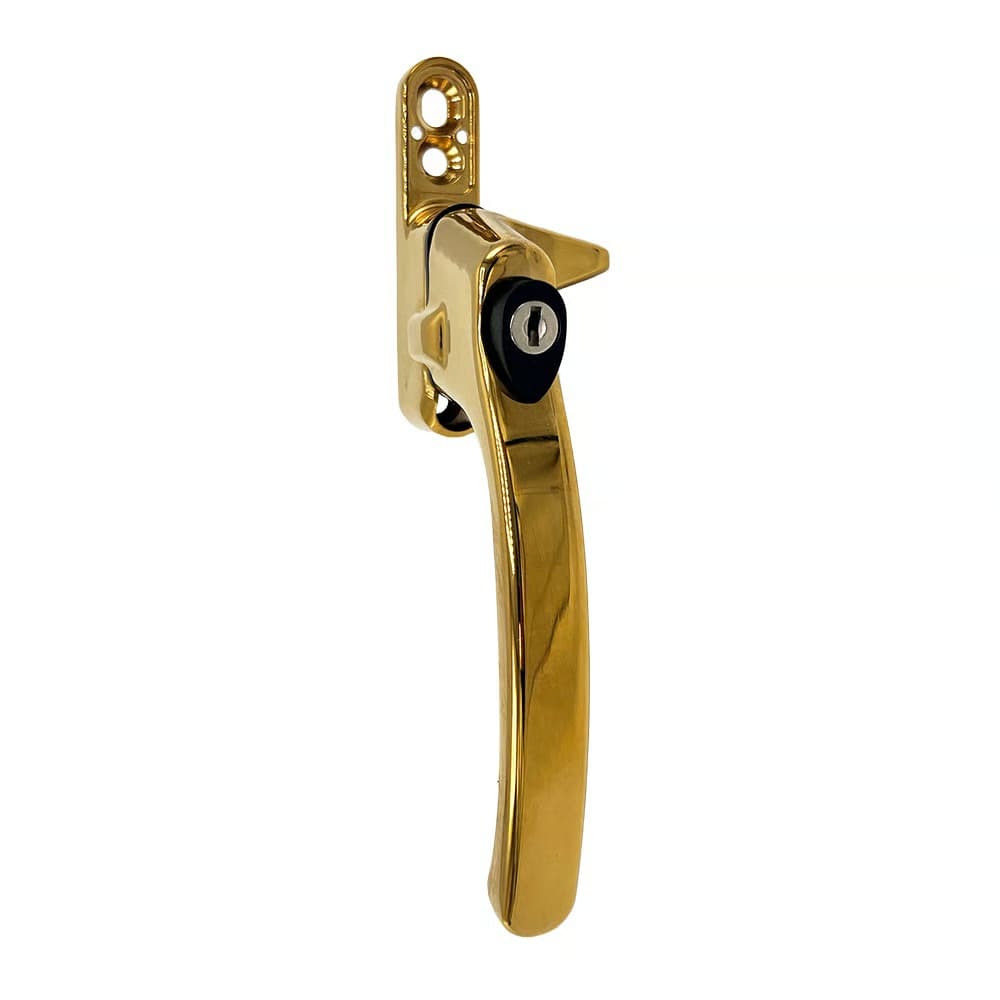
- TSS Cockspur Window Handles
- TSS Offset UPVC Window Handles
- ERA Universal Inline Window Handle
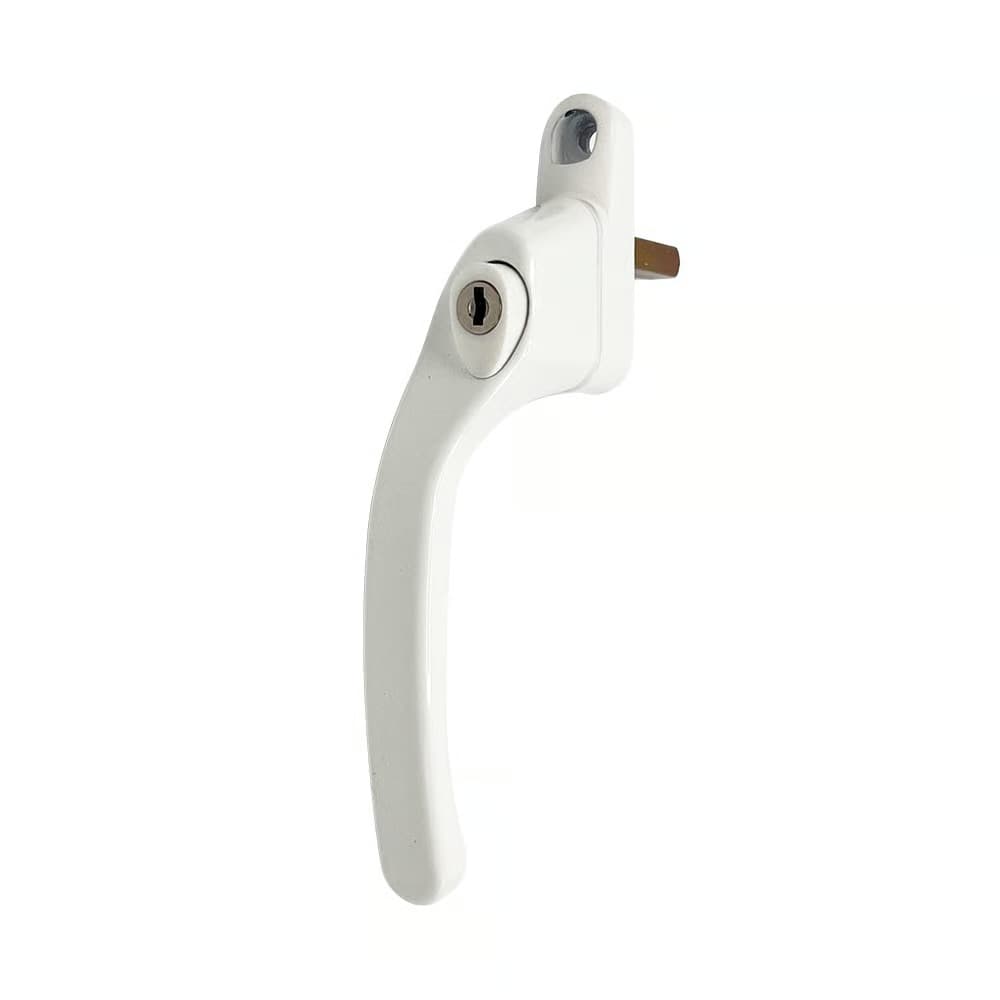
- In-Line Window Handle - White
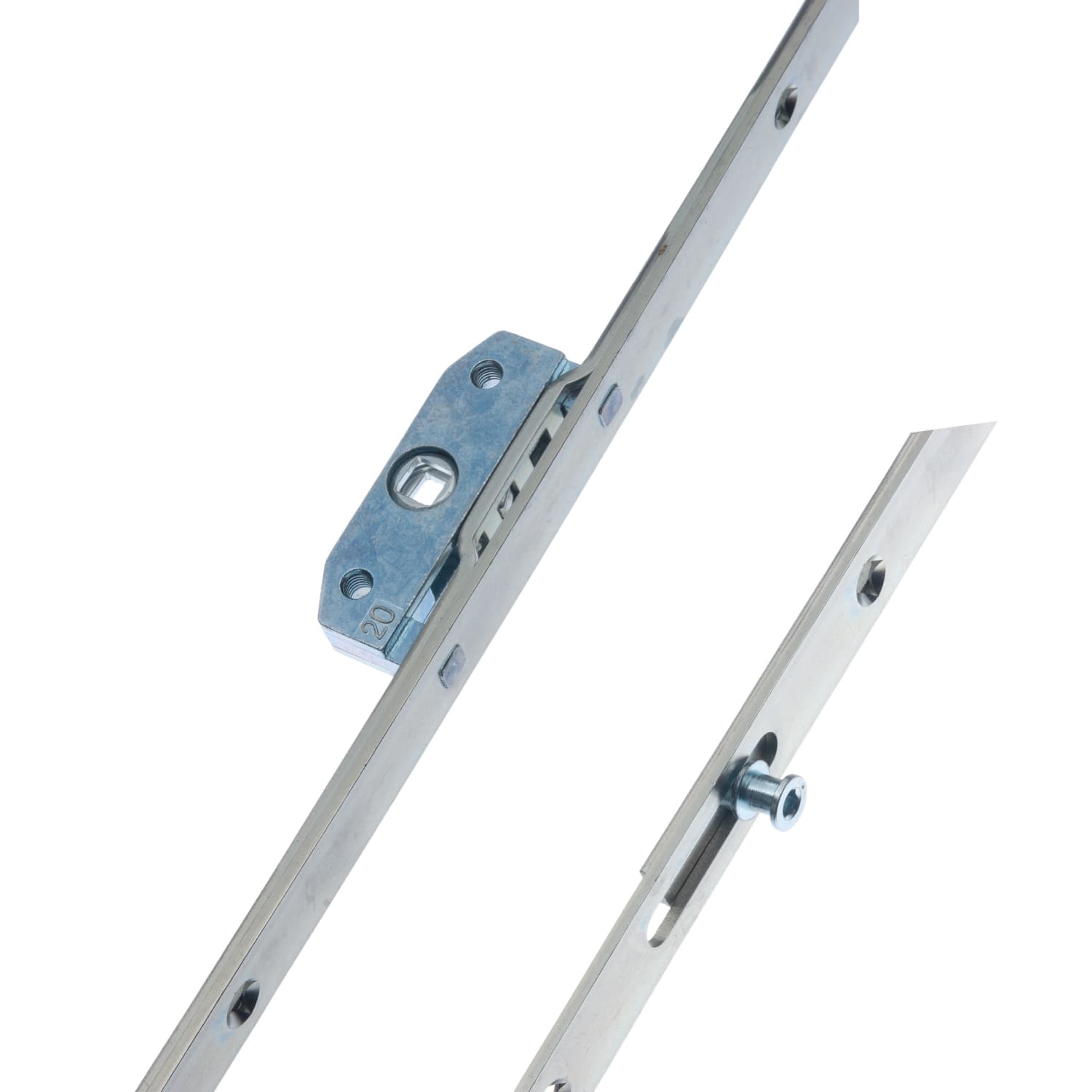
- ERAB Espagnolette Window Lock Universal Lock Replacement
Conclusion and next steps
Replacing an espagnolette on a uPVC window is a straightforward repair for a competent DIYer or a routine job for tradespeople when the correct parts and measures are taken. Always confirm spindle size and rod profile before ordering; keep photographic records while dismantling and lightly lubricate moving parts on reassembly. If you need replacement espagnolette gear or commercial-grade repair kits, visit our pillar page for more product options and compatibility advice: /guides/espagnolette-window-locks. For complex faults or if the window sash or frame is damaged, consider calling a certified installer to protect security and weather-tightness.
Products mentioned in this article
Related articles
Window Gearbox Maintenance: Keeping Your Locks Working Smoothly
Window Gearbox Maintenance: Keeping Your Locks Working Smoothly A well maintained window gearbox keeps casement and tilt-and-turn windows operating smoothl...
Troubleshooting Shootbolt Problems: A Window Fitter's Guide
Troubleshooting Shootbolt Problems: A Window Fitter's Guide Shootbolts are a small but vital component in many modern window and patio door locking systems...
What Is a Shootbolt Lock? Complete Guide to Window Security
What Is a Shootbolt Lock? Complete Guide to Window Security What is a shootbolt? A shootbolt is a mechanical locking element commonly used in windows and d...