How to Replace a uPVC Door Lock: Step-by-Step DIY Guide
Replacing a upvc door lock is a straightforward DIY job for most homeowners and tradespeople, provided you have the right tools and parts. This guide cover...
Replacing a upvc door lock is a straightforward DIY job for most homeowners and tradespeople, provided you have the right tools and parts. This guide covers how to remove and replace common UPVC multipoint locks and cylinders, how to measure for replacements, and practical tips to ensure smooth operation and security. Follow each step carefully and work safely.
Tools and materials you'll need
- Phillips and flat-head screwdrivers
- Hex/Allen keys (often 4mm or 5mm)
- Tape measure and ruler
- Replacement parts (see product suggestions below)
- Penetrating oil (e.g. WD‑40) and light machine oil or silicone spray
- Masking tape to mark positions
- Replacement screws and keeps if required
- Safety goggles and gloves
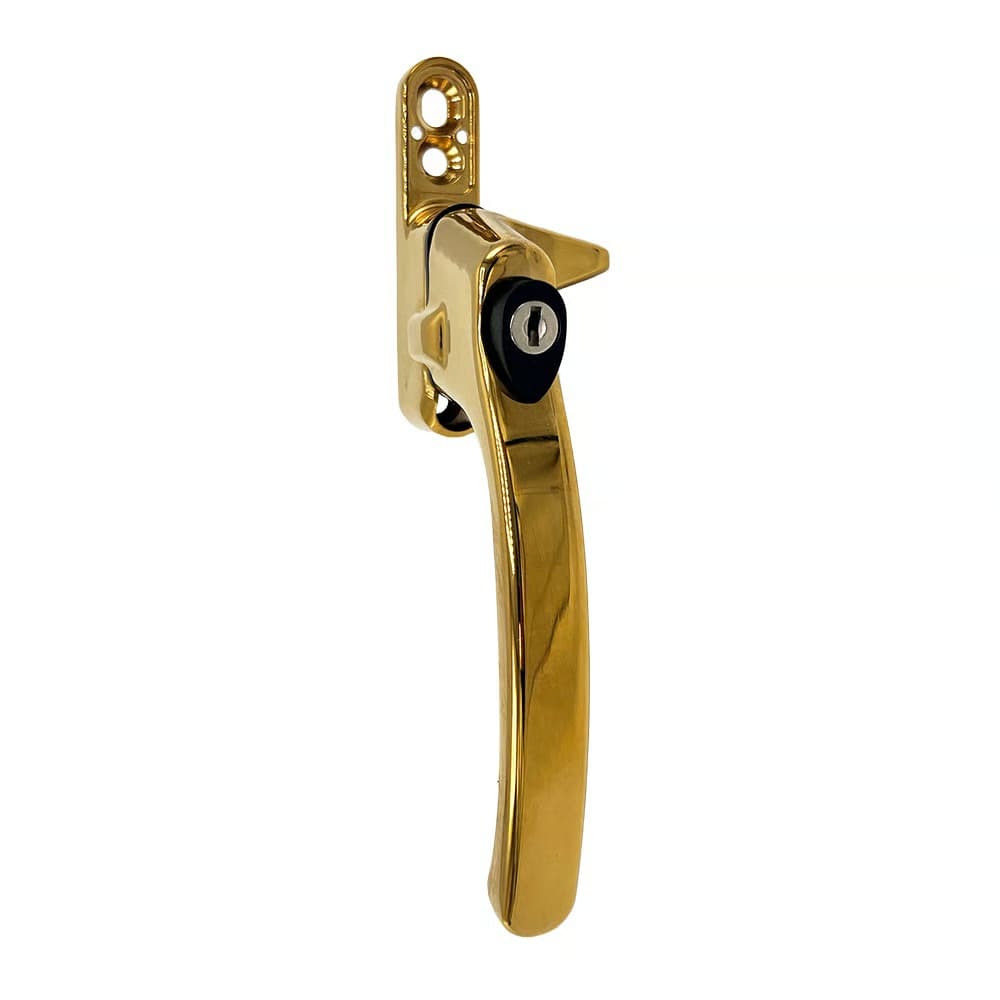
- TSS Cockspur Window Handles (/p/tss-cockspur-window-handles) — useful if replacing associated window/door furniture.
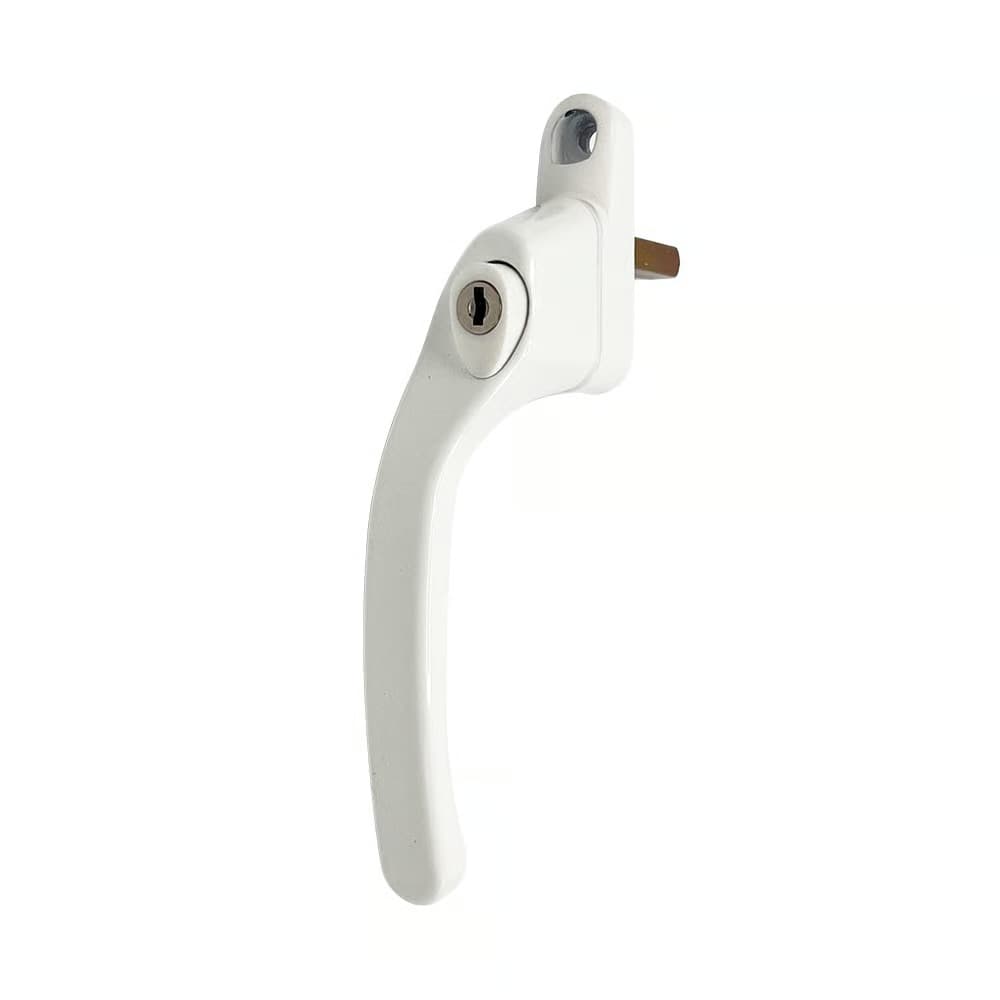
- ERA Universal Inline Window Handle (/p/era-universal-inline-window-handle) — handy for inline handle replacements on some doors.
- Avocet Slimline Offset Window Espag (/p/avocet-slimline-offset-window-espag) — a quality espagnolette option compatible with some UPVC systems.
Before you start: identify the lock type
UPVC doors normally use a multipoint locking mechanism operated by a handle and driven by a spindle and euro cylinder. Identify whether your lock is:- A full multipoint sash lock (with several locking points along the edge), or
- A single-cylinder night latch or deadbolt (less common on external UPVC doors).
Step 1 — Remove the handle and cover plate
1. Open the door and extend the latch so the mechanism is easier to access. 2. Locate the handle rose screws (on the interior handle). Remove them with the correct screwdriver. 3. If there’s a plastic cover on the handle spindle area, pry it off carefully with a flat-head screwdriver. 4. Pull the handles off both sides. If the handle won’t slide off, support the spindle and remove any grub screw (often on the side of the handle) with an Allen key.Step 2 — Remove the euro cylinder (if fitted)
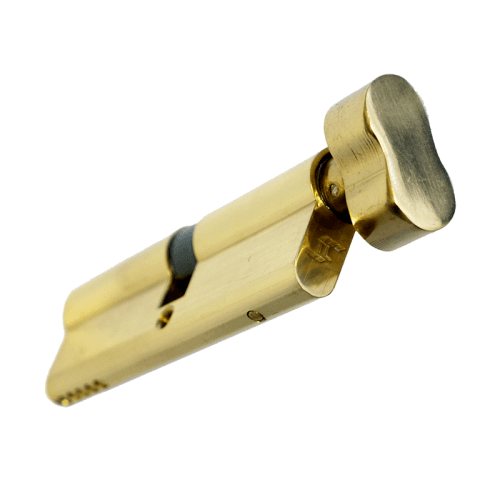
1. With the handle removed, close the door and fully retract the latch using masking tape to hold it if necessary. 2. Turn the key slightly to align the cam and free the cylinder. Remove the cylinder retaining screw from the edge of the door (usually positioned at the same level as the cylinder). 3. Carefully slide the euro cylinder out. If it’s stuck, a little penetrating oil and gentle taps while turning the key can help. 4. Measure the cylinder (backset lengths either side of the fixing screw) to order an exact replacement. Note whether you require a keyed alike or master keyed pair.Step 3 — Remove the multipoint lock case
1. Remove the screws from the edge of the door that secure the lock case (normally inside the profile). Some doors have 3–4 screws holding the main lock. 2. Carefully withdraw the lock case. Take note of the position and orientation; place the lock faceplate screws back into the door temporarily so you can use them as reference when fitting the new unit. 3. Inspect the gearbox, keeps and striking plates for wear — replace keeps if deformed or damaged.Step 4 — Measure and order the correct replacement
Accurate measurements are crucial:- Backset (distance from the door edge to centre of the spindle/cylinder)
- Centres (distance between spindle centre and cylinder centre)
- Overall length of the lock case and faceplate dimensions
Step 5 — Install the new lock case and cylinder
1. Slide the replacement lock case into the door in the same orientation as the old one and loosely fit the edge screws. 2. Refit the cylinder: insert it until the cam aligns, then tighten the retaining screw on the edge of the door. 3. Reattach the handles: slide the spindle into place, fit both handles and secure with the rose screws or grub screw. 4. Tighten all faceplate screws but avoid overtightening which can distort the UPVC profile.Step 6 — Align keeps and adjust for smooth operation
1. With the door closed, operate the handle to engage locking points. Check each strike plate/keep for correct alignment. 2. If the door is hard to lock or the handle tightens before the lock engages, adjust the keeps up or down. Most keeps are slotted for minor adjustments; you may need to replace them if alignment is beyond slotted adjustment. 3. Lubricate moving parts with a light machine oil or silicone spray. Do not use heavy grease which can attract dirt.Troubleshooting common issues
- Handle spins freely: likely missing or broken spindle, or gearbox stripped — replace gearbox.
- Cylinder won’t turn: cylinder misaligned, or internal mechanism seized. Remove and inspect; replace if damaged.
- Lock sticks when cold: metal components contract; clean, lubricate and replace worn parts. Weatherstripping that’s pressing on the door can also bind the mechanism.
Security and legal considerations
- Replace faulty cylinders promptly — a poorly functioning upvc door lock compromises security.
- Consider upgrading to a TS007 3-star cylinder for enhanced insurance compliance.
- If the property has shared keys or requires master keying, consult with a locksmith or supplier to arrange keyed-alike systems.
When to call a professional
If the door is jammed, the cylinder is snapped, the frame is damaged, or the lock is a complex integrated system you’re unfamiliar with, call a qualified locksmith or a tradesperson. Forced removal can damage the door and increase repair costs.Conclusion Replacing a upvc door lock is achievable with basic DIY skills and the right replacement parts. Accurate measuring, careful removal and correct alignment are the keys to a successful installation. For related hardware needs, consider quality handles and espagnolette options such as TSS Cockspur Window Handles (/p/tss-cockspur-window-handles), ERA Universal Inline Window Handle (/p/era-universal-inline-window-handle) and Avocet Slimline Offset Window Espag (/p/avocet-slimline-offset-window-espag) to complete the job professionally.
Related Reading
Explore more guides on related topics:
- How to Fit a Patio Door Handle on a uPVC Door
- Flag Hinges
- 3 Star Cylinder Explained: The Highest Level of Door Security
Recommended Products
Based on this article, you may find these products helpful:
Part of our guide:
Complete Guide to Door Mechanisms