uPVC Replacement Window Handles: When to Replace the Gearbox Too
Replacement of uPVC window handles is a common maintenance task, but decisions about whether to change the gearbox at the same time are less straightforwar...
Replacement of uPVC window handles is a common maintenance task, but decisions about whether to change the gearbox at the same time are less straightforward. This article explains how to assess gearbox condition, which handle types require gearbox replacement, and practical steps for tradespeople and homeowners to follow. The aim is to avoid unnecessary work, ensure secure operation and extend the life of uPVC windows.
Why the gearbox matters
The gearbox (or espagnolette mechanism) is the internal metal component that translates handle rotation into multipoint locking movement along the sash. When the gearbox is worn, the handle may feel slack, catch mid-turn, or fail to engage the locking points properly. Replacing the handle without addressing a faulty gearbox can mask the underlying issue only temporarily; the new handle will quickly show the same symptoms and lead to call-backs.
Types of uPVC handles and gearbox dependence
Understanding handle types helps determine gearbox necessity:
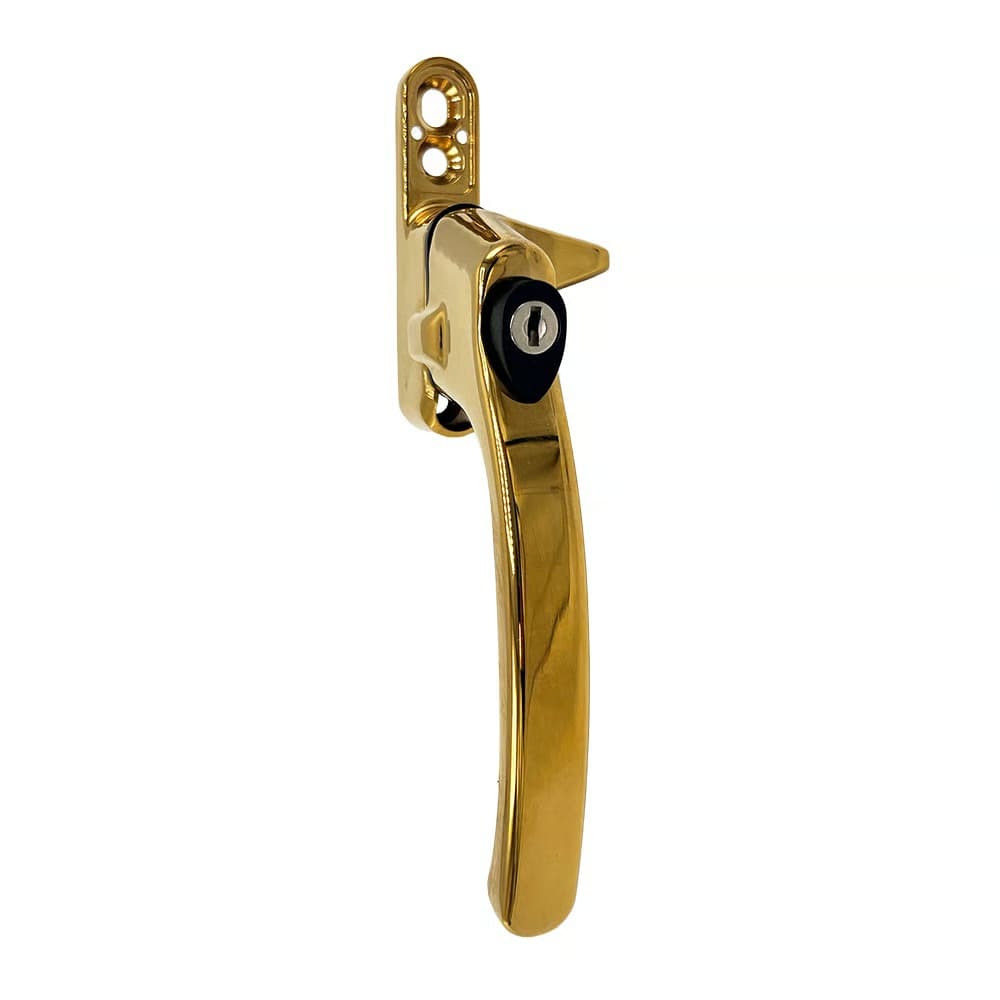
- Espag (espagnolette) handles transmit motion to an internal gearbox and locking rods. Example: TSS Cockspur Window Handles — these require a compatible gearbox and may need replacement when worn.
- Cockspur handles attach directly to the casement and do not use a gearbox mechanism. Example: TSS Cockspur Window Handle — gearbox replacement is not applicable for these.
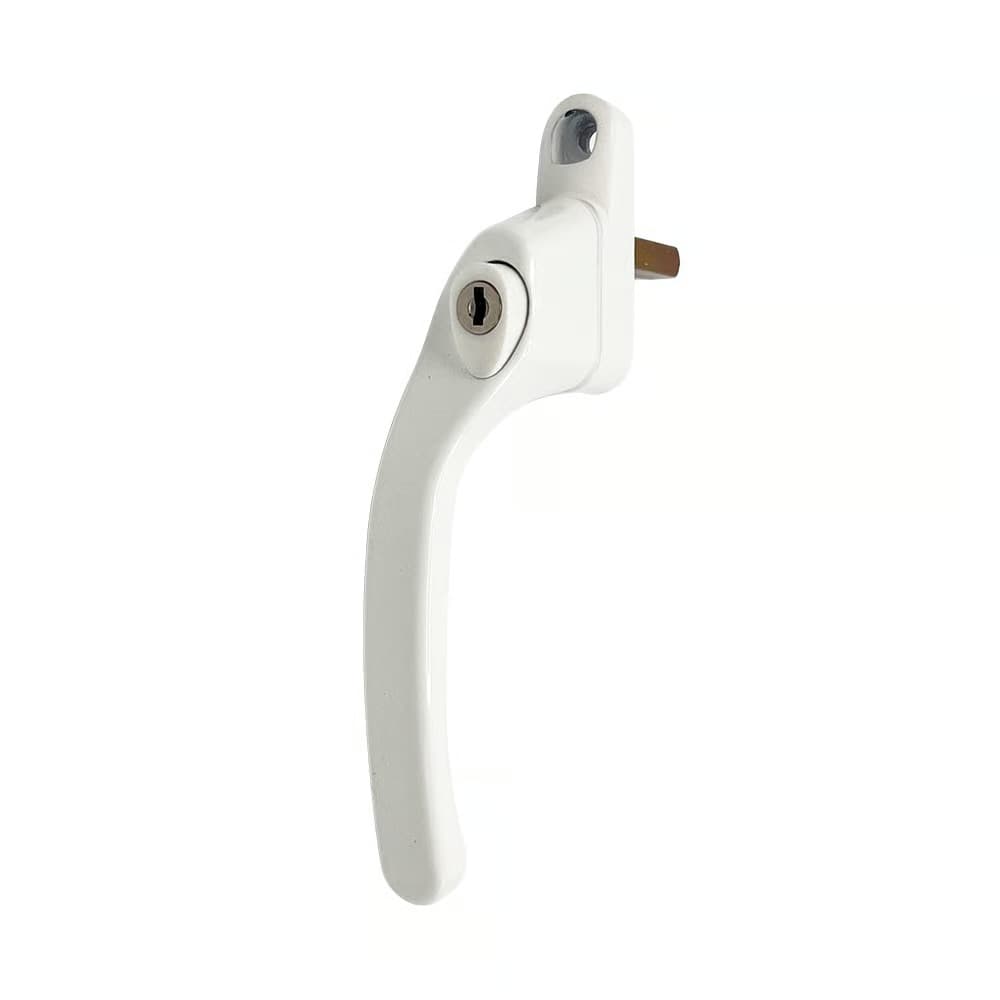
- Centre-lock and some sash-lock styles use smaller internal mechanisms; product variations like the TSS Offset UPVC Window Handles may require checks for spindle compatibility and gearbox condition depending on the system.
Signs that the gearbox should be replaced with the handle
Replace the gearbox alongside the handle when one or more of the following is observed:
- Sloppy or loose handle movement — excessive play indicates worn gearbox splines or bearings.
- Handle completes rotation but locking points fail to engage fully — gearbox tooth wear or stripped sectors.
- Noisy operation, grinding or metallic clunking during operation — internal component fatigue.
- Visible corrosion or moisture ingress in the gearbox cavity — leads to accelerated wear.
- Frequent past failures or multiple new handles failing on the same window — systemic gearbox failure.
When replacing the handle alone is acceptable
There are situations where a gearbox replacement is not necessary:
- The handle is cosmetic or broken at the spindle head but the gearbox shows no wear and operates smoothly.
- Cockspur and some inline designs that do not use a gearbox.
- Evidence of recent gearbox replacement or new hardware installation where warranty still applies.
Practical inspection and testing steps
These actionable tests help determine gearbox condition: 1. Operate the handle slowly through a full cycle and note feel — smooth and positive indicates good gearbox; grinding or slop suggests replacement. 2. With the window unlocked, inspect visible gearbox parts through the handle rose after removal of the handle. Look for stripped teeth, metal dust or corrosion. 3. Check locking points while an assistant operates the handle; observe if all keeps and shootbolts move in sync. 4. Measure the spindle and gearbox connection for wear — oversized or ovalised spindle ends show wear. 5. Remove the handle to access the gearbox retaining screws or clips to confirm model numbers or part codes for a matched replacement.
Compatibility and matching parts
For an effective repair:
- Match the gearbox type and throw (distance moved by the locking point) to the original. A mismatched throw can prevent proper locking.
- Confirm spindle length and profile — many manufacturers use different dimensions. An off-the-shelf handle may have adjustable spindles but confirm before fitting.
- Consider upgrading to a higher-spec gearbox if the window is subject to heavy use or security concerns. Security-rated handles paired with robust gearboxes extend life and performance.
Tools, parts and replacement steps (summary)
Essential tools: crosshead screwdrivers, torx set, hex keys, pliers, penetrating oil and a replacement gearbox if required. Basic replacement workflow:
- Remove the handle and assess the gearbox as described above.
- Note fixing positions, part numbers and take photos for reference.
- If replacing gearbox: isolate the locking rods or release the gearbox from the locking mechanism following manufacturer guidance, swap in the matched gearbox and reassemble.
- Fit the new handle, check spindle engagement and torque fixings to avoid over-tightening.
- Test the window through full cycles and check all locking points for synchronous movement.
Cost, time and warranty considerations
Replacing a handle only is quicker and cheaper, but an old gearbox can cause repeat failures that cost more overall. Tradespeople should factor the time to inspect and test the gearbox into initial quotations. Keep replaced parts and document serials for warranty purposes. Where security-rated hardware is installed, ensure replacement components meet the same rating to maintain certification.
Maintenance to extend gearbox life
Simple steps reduce the need for early replacement:
- Regular lubrication of moving parts with a light machine oil or a dry PTFE spray at 6–12 month intervals.
- Keep drainage holes clear and ensure window seals are intact to prevent moisture ingress.
- Avoid excessive force on handles and educate occupants about proper operation.
- Schedule periodic checks for older properties where many windows may be subject to wear.
Practical recommendation
For owners and installers, adopt a diagnosis-first approach: test the handle and gearbox before ordering. When signs of gearbox wear are present, replace the gearbox at the same time as fitting new uPVC replacement window handles to prevent premature failure. For direct-action cockspur systems, focus on handle replacement only. Where security and longevity are priorities, choose robust, compatible parts and maintain them regularly.