
uPVC Window Parts Explained: From Hinges to Handles
uPVC Window Parts Explained: From Hinges to Handles Whether you are a homeowner carrying out maintenance or a trade professional sourcing replacement compo...
uPVC Window Parts Explained: From Hinges to Handles
Whether you are a homeowner carrying out maintenance or a trade professional sourcing replacement components, understanding upvc window parts helps you diagnose faults quickly and choose the correct hardware. This post covers the common components found on modern uPVC casement and tilt-and-turn windows, plus practical advice for repair, adjustment and specification.
Overview: how uPVC windows are put together
A typical uPVC window is a composite of a rigid profile, double-glazed unit, seals and a range of moving parts: hinges, stays, locking gear and handles. Manufacturers add internal steel reinforcement and drainage channels to the profile. Hardware is responsible for weather performance, security and smooth operation; poor-quality parts or incorrect installation lead to draughts, rattles or failed locks.
Key upvc window parts and what they do
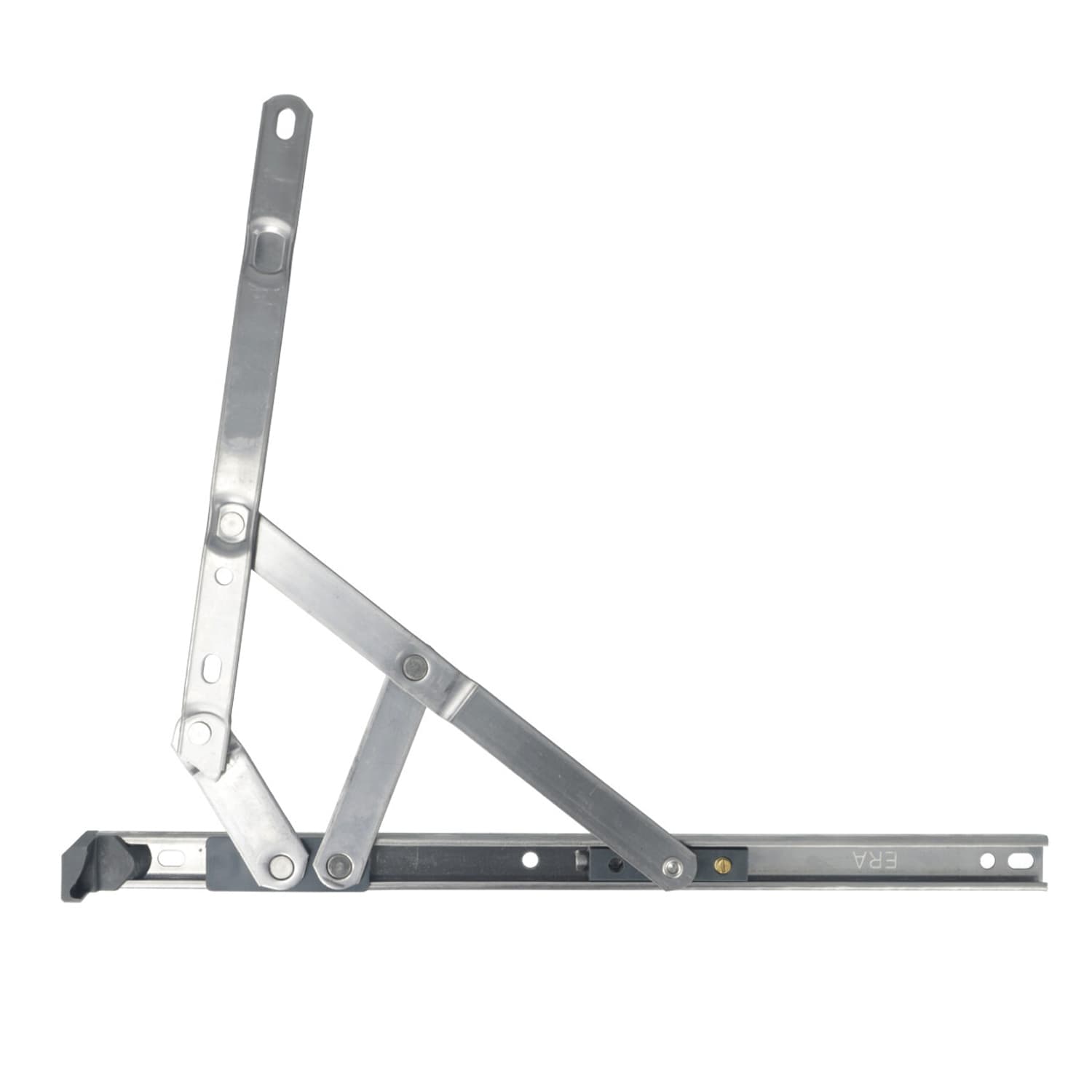
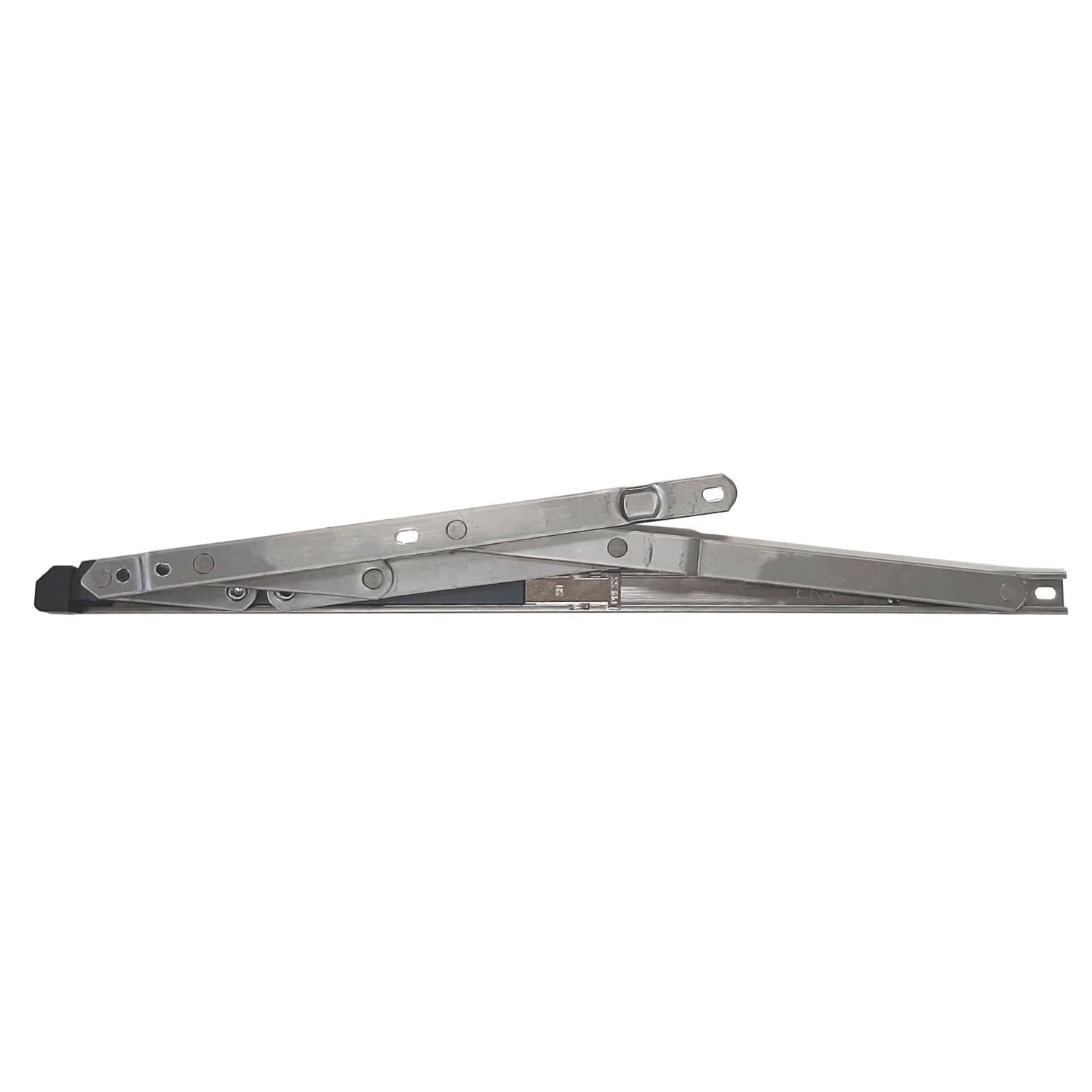
- Hinges and friction stays: allow the sash to open and hold it in position; stays control opening angle and can be adjustable for friction and closing force.
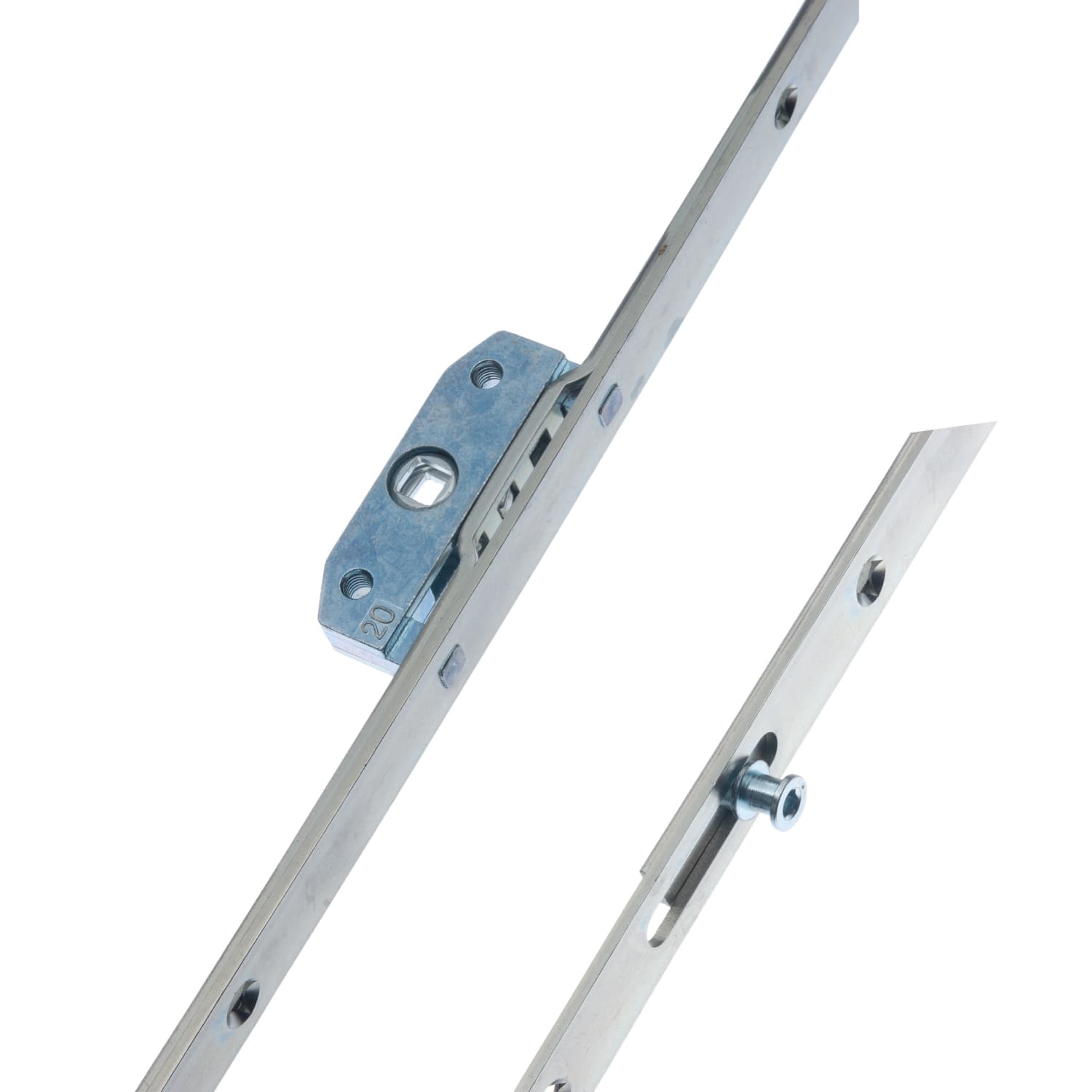
- Espagnolette and multi-point locking gear: metal rods and cams that engage keeps to secure the sash at multiple points for security and compression.
- Handles: espag handles for casement windows and lever handles for tilt-and-turn units; often available with key-locking options for added security.
- Keeps and strike plates: the plated or reinforced receivers fixed to the frame where locking cams or hooks engage.
- Glazing beads and gaskets: beads hold the sealed glass unit in the sash; gaskets provide weatherproofing and acoustic performance.
- Restrictors and catches: child-safety restrictors limit opening; night vents or restrictor catches allow controlled ventilation.
- Trickle vents: low-profile vents fitted into the head or frame to meet ventilation requirements without opening the window.
- Fixings and reinforcements: frame screws, steel inserts and mastic or sealant used to secure the window in the building opening.
Hinges, stays and adjustment tips
Most uPVC casement windows use friction stays rather than traditional butt hinges: these are stainless steel arms with a friction mechanism. They are adjustable for tension and can be replaced on-site. When a sash sags or fails to close squarely, the usual remedy is adjustment of the hinge or tightening the friction setting.
- Support the sash before loosening screws; use a prop or partner.
- Adjust height and compression via the hinge adjusters; small turns of the adjuster screw produce noticeable movement.
- Replace worn stays with an identical length and fixings pattern; measure the centre-to-centre fixing distances before ordering.
Locks, espagnolette rods and keeps: security considerations
Espagnolette gear provides multi-point locking: hooks, mushroom cams or bolts move simultaneously when the handle is turned. Proper engagement between cams and keeps is essential for security and weather-tight compression. If the handle is stiff or the sash does not lock, check for:
- Misaligned keeps — adjust keeps in small increments to improve engagement.
- Worn cams or rollers — replace parts and match the profile of the replacement cam to the original.
- Incorrect handle spindle size — common spindles are 7mm or 8mm square for espag handles; confirm before ordering.
Handles, spindles and key-locking options
Handles are more than cosmetic: they determine how the locking gear operates. For a replacement handle you must measure the spindle size and the screw hole centres. For keyed handles, check whether the cylinder is integrated or separate; anti-snap cylinders and TS007 3-star options improve security. Trade tip: keep a small stock of common spindle sizes and screw centres for quick replacements on site.
Glazing beads, gaskets and sealing
Glazing beads clip into the sash and are available in different profiles depending on the window manufacturer. When removing beads to replace glass or gaskets, use plastic wedges to avoid damage and work slowly. Replace perished seals with EPDM rubber gaskets rather than cheaper PVC; EPDM resists UV and temperature extremes. Ensure beads are clipped fully home to avoid rattles and water ingress.
Practical DIY and trade actions
- Identify first: take clear photos of the whole window, the hinge and lock faceplates plus any part numbers stamped on gear before ordering replacements.
- Measure precisely: note spindle square measurement, handle screw centres and the distance between espagnolette gearbox and end of sash; traders should carry calipers on site.
- Use the right tools: Pozidriv bits, T-handle allen keys, and a small torque driver help avoid stripping fasteners.
- Lubrication and maintenance: lubricate locking cams and hinges annually with a light machine oil or silicon spray; do not use grease on seals as oils can degrade rubber materials.
- When in doubt: for glazing replacement, structural repairs or tasks at height hire a competent tradesperson; follow ladder safety and COSHH where chemicals are used.
Sourcing parts and standards
Buy parts that meet appropriate standards: look for corrosion resistance ratings such as BS EN 1670 for hardware, and security standards including PAS 24 or Secured by Design endorsements for whole-window performance. For trade buyers, matching parts to the original manufacturer profile often ensures the best fit; generic components are available but may require modification.
Window hardware and related supplies can be found via the trade section of our website; see the double-glazing supplies pillar page for related components and specification advice: /guides/double-glazing-supplies.
Troubleshooting common faults
- Sash rattles: check glazing bead clips and gasket seating; tighten loose bead screws and replace damaged seals.
- Hard-to-turn handle: lubricate gearbox and cams; if persists, measure and replace worn espagnolette gear.
- Sash won’t close or secures only with force: realign keeps, adjust hinge height and check for dirt in drainage channels that may alter frame alignment.
- Condensation between panes: indicates failed sealed unit; order a replacement double-glazed unit matched to bead and rebate sizes.
Conclusion: understanding the common upvc window parts and how they interact makes maintenance and repairs quicker and more effective. For straightforward replacements such as handles, stays and seals you can usually manage the job yourself with the right measurements and tools. For glazing, reinforcement or persistent alignment issues contact a competent trade installer. Next steps: take photos and measurements of the faulty hardware, compare with manufacturer or trade catalogues, and order matched parts; if uncertain, get a survey from a specialist to confirm the specification and compliance with security and performance standards.
Recommended Products
Based on this article, you may find these products helpful:
Related articles
How Old uPVC Window Parts Differ from Modern Replacements
How Old uPVC Window Parts Differ from Modern Replacements Older uPVC windows fitted in the 1980s and 1990s were robust for their time, but the components u...
How to Maintain Your Glazing Tools for Longer Life
How to Maintain Your Glazing Tools for Longer Life Whether you are a trade glazier or a DIY homeowner replacing a pane, well‑maintained glazing tools save ...
Glazing Tools Safety Guide: Avoiding Common Injuries
Glazing Tools Safety Guide: Avoiding Common Injuries Working with glazing tools carries a real risk of cuts, crushed fingers and slips when handling panes ...