
Why Your Espagnolette Won't Lock: Common Faults and How to Fix Them
Why Your Espagnolette Won't Lock: Common Faults and How to Fix Them How an espagnolette works: a quick reminder An espagnolette is a multi-point or single-...
Why Your Espagnolette Won't Lock: Common Faults and How to Fix Them
How an espagnolette works: a quick reminder
An espagnolette is a multi-point or single-point locking system commonly fitted to casement windows and French doors. Turning the handle operates a gearbox that drives rods, hooks or mushroom cams into keeps fitted to the frame. When everything is aligned and the gearbox is healthy, the handle moves smoothly and the locking points engage securely.
Common faults and quick checks
Before you strip the window, run through these quick diagnostics: visual inspection, manual operation and simple tests. These will tell you whether the fault is a simple adjustment or a mechanical failure.
- Handle turns but lock does not engage: usually a stripped gearbox, broken spindle or detached rod.
- Handle stiff or difficult to operate: poor lubrication, bent rods, seized gearbox or compression from a swollen gasket or poorly adjusted frame.
- Lock engages but handle springs back: worn locking cams or damaged keeps; sometimes the handle spindle is slipping in the gearbox.
- Partial engagement: misaligned keeps, worn striker plates or one of the locking points detached from the rod.
- Handle loose on the spline: missing or loose grub screw in the handle or a worn spindle spline.
Tools and materials you will need
Typical DIY and trade tools for espagnolette work include: Phillips and flat screwdrivers, Allen keys, a 7mm and 8mm spanner, sharp knife for seal trimming, silicone spray or light machine oil, silicone grease for PVCu seals, replacement screws, replacement gearbox or rod set if required, calipers or ruler for measuring spindles and rods. For safety, use ladders correctly and wear gloves and eye protection when dismantling fittings.
DIY fixes: step by step
Follow these steps for the most common, straightforward faults. If you are a trade professional, these checks will help with rapid fault finding on-site.
- Check keeps and alignment: close the window and inspect where the cams or hooks meet the keeps. If they are rubbing the seal or missing the keep, loosen the keep screws, adjust the keep position by a few millimetres and retest.
- Tighten loose fixings: handles and faceplates often work loose. Tighten the securing screws; for grub-screw handles ensure the screw is against the flat of the spindle.
- Lubricate moving parts: apply silicone spray to the gearbox and rods, and silicone grease to rubber seals. Avoid using heavy grease on moving linkages; light machine oil is acceptable for metal gearboxes but silicone spray is preferred for long-term performance on PVCu.
- Test spindle and handle: remove the handle to inspect the spindle. If the handle moves without turning the spindle, replace the handle or tighten/replace the grub screw. Measure the spindle size before ordering a replacement handle: common sizes are 7mm and 8mm square; check yours to be sure.
- Check rod integrity: open the window and manually operate the gearbox while watching the rods. If a rod does not move or is bent, the rod assembly may require replacement. If a rod has disconnected at a coupling, reconnect and secure with the correct clip or grub screw.
- Minor gearbox play: if the gearbox has excessive play but still works, replacement may be quicker and more reliable than attempting a repair.
Trade-level repairs and parts to consider
For trade professionals dealing with repeat issues, the following items are common stock. Keep sizes and finishes on hand for same-day callouts.
- Complete espagnolette rod sets: these replace the whole rod, linkage and gearbox; they are ideal when rods are bent or corroded.
- Gearboxes and lock cases: replace if the handle turns freely but the mechanism does not drive the rods; stripped gears are not usually serviceable on site.
- Replacement keeps and striker plates: frequently required for alignment or where the keep shows wear; consider adjustable keeps for easier setting.
- Handles and spindles: keep common spindle lengths and both 7mm and 8mm square options in stock.
- Seals and gasket trims: swollen or mis-seated seals can prevent full locking; replacing or trimming seals can restore correct compression.
Adjustment tips and tolerances
When adjusting keeps and striker plates, aim for smooth engagement with about 2 to 3mm clearance between the locking head and the keep when closed. Too tight and the handle will be hard to turn; too loose and the security will be compromised. For multi-point systems make small adjustments and test each locking point sequentially to ensure even locking throughout the travel.
When to call a professional
Call a specialist if you encounter any of the following: frame distortion or rotting timber; corroded steel components fused to the frame; evidence of forced entry; complex multi-point door failures; or if repair involves glazing or glass removal. Also call a professional if the window is above ground-floor level and access or safety is an issue.
Further reading and parts
For detailed fitting measurements, part numbers and installation diagrams see our hub on espagnolette window locks: /guides/espagnolette-window-locks. That page includes compatibility charts for common profile systems and recommended replacement parts.
Recommended Products
Based on this article, you may find these products helpful:
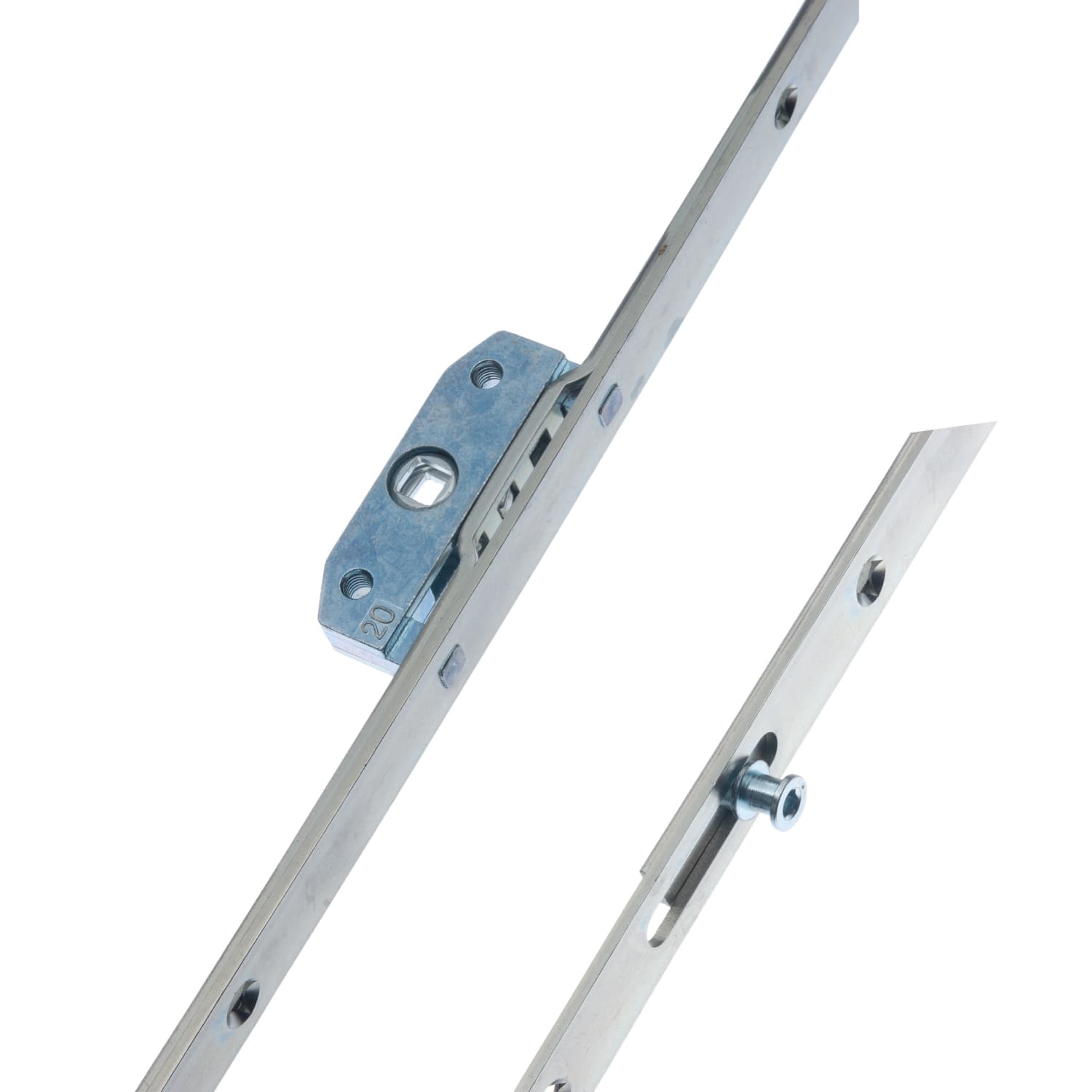
- ERAB Espagnolette Window Lock Universal Lock Replacement
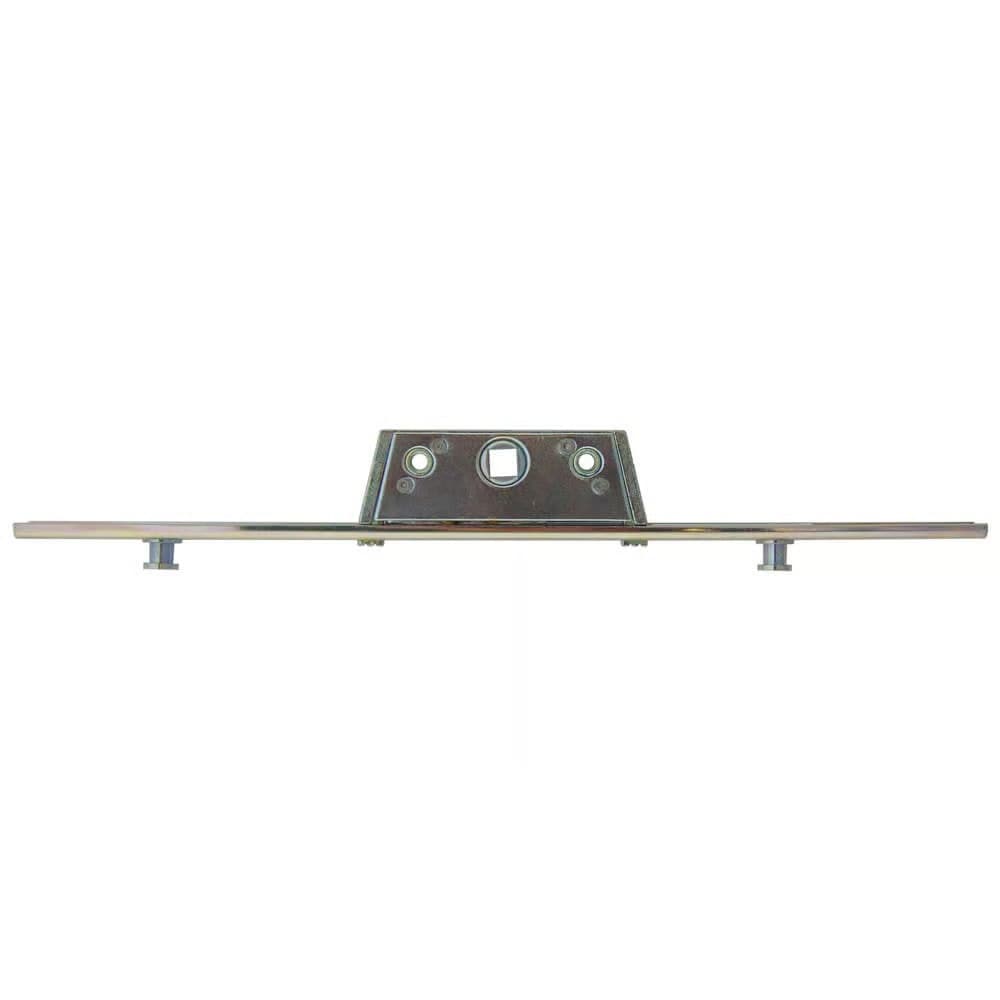
- Avocet Slimline Offset Window Espag
- In-Line Window Mechanism
- Offset Window Mechanism
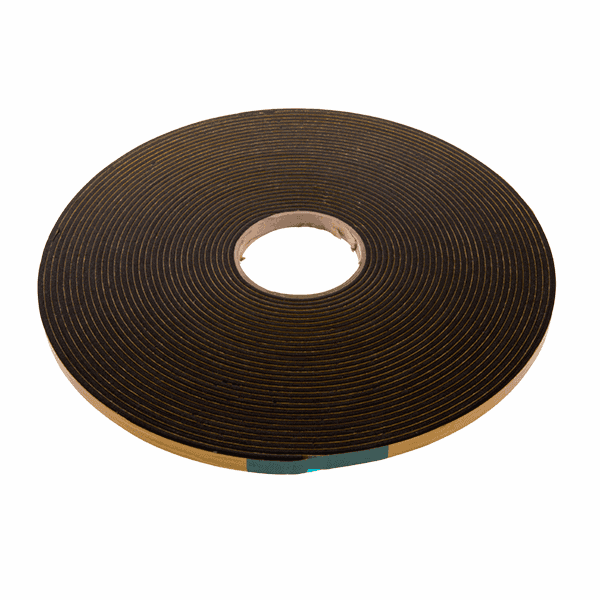
- Structural Glazing Tape - 20mm
Conclusion and next steps
If the fault is simple: tighten fixings, adjust keeps and lubricate the mechanism and the espagnolette should return to reliable operation. If you find stripped gears, bent rods or structural frame problems then replace the gearbox, rod set or consult a specialist installer. For trade customers: keep common gearboxes, rod sets and adjustable keeps in stock to reduce call-out times. For homeowners: contact a reputable window fitter if you are unsure about measuring parts, working at height or if the repair involves glazing. Regular annual checks and lubrication will reduce failures and keep your espagnolette locking smoothly.

Related articles
Window Gearbox Maintenance: Keeping Your Locks Working Smoothly
Window Gearbox Maintenance: Keeping Your Locks Working Smoothly A well maintained window gearbox keeps casement and tilt-and-turn windows operating smoothl...
Troubleshooting Shootbolt Problems: A Window Fitter's Guide
Troubleshooting Shootbolt Problems: A Window Fitter's Guide Shootbolts are a small but vital component in many modern window and patio door locking systems...
What Is a Shootbolt Lock? Complete Guide to Window Security
What Is a Shootbolt Lock? Complete Guide to Window Security What is a shootbolt? A shootbolt is a mechanical locking element commonly used in windows and d...