
Common Espagnolette Installation Mistakes and How to Avoid Them
Common Espagnolette Installation Mistakes and How to Avoid Them: espagnolette locks are a reliable and widely used method for securing casement windows and...
Common Espagnolette Installation Mistakes and How to Avoid Them: espagnolette locks are a reliable and widely used method for securing casement windows and patio doors, but incorrect installation will cause poor performance, rattles, jamming and premature wear. This post highlights the typical errors made by both tradespeople and DIYers, explains why they matter and gives practical, technically accurate advice to achieve a long-lasting, smooth-running installation.
Prepare correctly: measuring and parts selection
Many problems start before the first screw goes in. Choosing an espagnolette and associated gearbox, rods and keepers that match the existing frame and sash dimensions is essential. Measure the centreline of the locking face, the distance between locking points and the sash thickness. Do not assume replacement parts will be identical: manufacturers use different centre distances and cam positions. For upgrades, check compatibility with glazing beads, handles and multi-point gearboxes; the manufacturer datasheet will confirm exact dimensions and spindle sizes.
Common installation mistakes
- Incorrect rod or gearbox length: using cut-down rods or the wrong gearbox forces the mechanism to operate off-centre; this causes high friction and premature failure.
- Poor alignment of keepers and striker plates: if keepers are too high or too low the cams and pins bind, creating excessive handle torque or preventing full lock engagement.
- Over-tightening fixing screws: driving finish screws too tight compresses timber sashes or distorts uPVC profiles and can seize the mechanism; use appropriate pilot holes and torque control.
- Using wrong screw type or length: mild steel screws in exterior locations corrode quickly; screws that are too long may interfere with weatherseals or glass units.
- Not packing or shimming the gearbox: failing to pack under the gearbox in slender frames allows the mechanism to pull inwards, affecting cam geometry and engagement.
- Poor drilling technique for keeps: oversized holes in the frame cause movement of the keeper and lead to misalignment over time.
- Not checking sash and frame square: if the window is out of square the locking points will not meet unless adjusted; forcing them may deform the sash.
Preparation and tools: trade and DIY essentials
Prepare a small kit before starting: a selection of stainless steel screws, drill with appropriate bits and a drill-stop, countersink, pilot pins, torque-controlled screwdriver or hand screwdriver, small spirit level, feeler gauges and a centre punch. For tradespeople, carry a set of espagnolette templates and a selection of rods and keepers to avoid making repeated trips. For timber and aluminium frames use corrosion-resistant fixings; for uPVC use the correct thread type to avoid stripping. Always have the manufacturer’s fitting instructions and product datasheet to hand.
Marking, drilling and avoiding binding
Mark the centreline accurately and use a template where supplied. Drill pilot holes before inserting screws; this reduces the chance of splitting timber and prevents profile distortion in uPVC. When drilling into aluminium or steel keepers, use a lubrificant and the correct drill bit grade. Check for binding by operating the handle slowly through full travel; if you feel stiffness, stop and identify the cause rather than forcing the mechanism. Binding is usually caused by misaligned keepers, incorrect rod length or a sash out of square.
Handle and spindle issues
Handle spindle length and position matter. Too short a spindle prevents full engagement of the gearbox; too long may place sideways load on the handle and gearbox bearing. Ensure the handle is the correct model and that the spindle sits square in the gearbox; where adjustable backsets are provided, set them before making final fixings. For multipoint systems verify that the handle and gearbox operate the additional locking cams and hooks correctly.
Fixing keepers and striker plates correctly
Keepers must be fixed to a solid surface and aligned with the locking cams. Use the correct size of screw and ensure the keeper sits flush with the frame so the cam makes full contact. If gaps exist, use stainless steel shims or packers; do not rely on silicone to take load. Adjustable keepers are useful where the frame has movement, but remember to tighten their locking screws only after final alignment.
Lubrication and maintenance at installation
Applying the right lubricant during installation reduces wear and ensures smooth operation. Use a dry PTFE spray or light machine oil on moving parts; avoid heavy greases that attract dust. Apply a small amount to cam faces, linkages and handle spindles after testing. Provide the homeowner with a short maintenance schedule: check fixings annually, reapply lubricant as necessary and tighten any loosened screws.
Testing and commissioning
Test the espagnolette in all positions: closed, half-open (if applicable), and fully open where the mechanism allows it. Verify that each locking point engages cleanly without excessive force; measure handle torque where possible and compare with manufacturer recommendations. For trade professionals, record settings and keep a photograph of final keeper positions for future service calls. For DIY installers, do not seal beads or apply final finishes until operation is confirmed.
When to call a professional
Certain problems require a specialist: if the sash is badly out of square; if frame sections have been weakened by previous poor drilling; or if the existing multipoint system is unusual or proprietary. Also seek professional help where security is critical and warranty compliance requires certified fitting. Window Hardware Store can supply compatible replacements and offer technical support for more complex setups; see our pillar resource at /guides/espagnolette-window-locks for product guides and templates.
Recommended Products
Based on this article, you may find these products helpful:
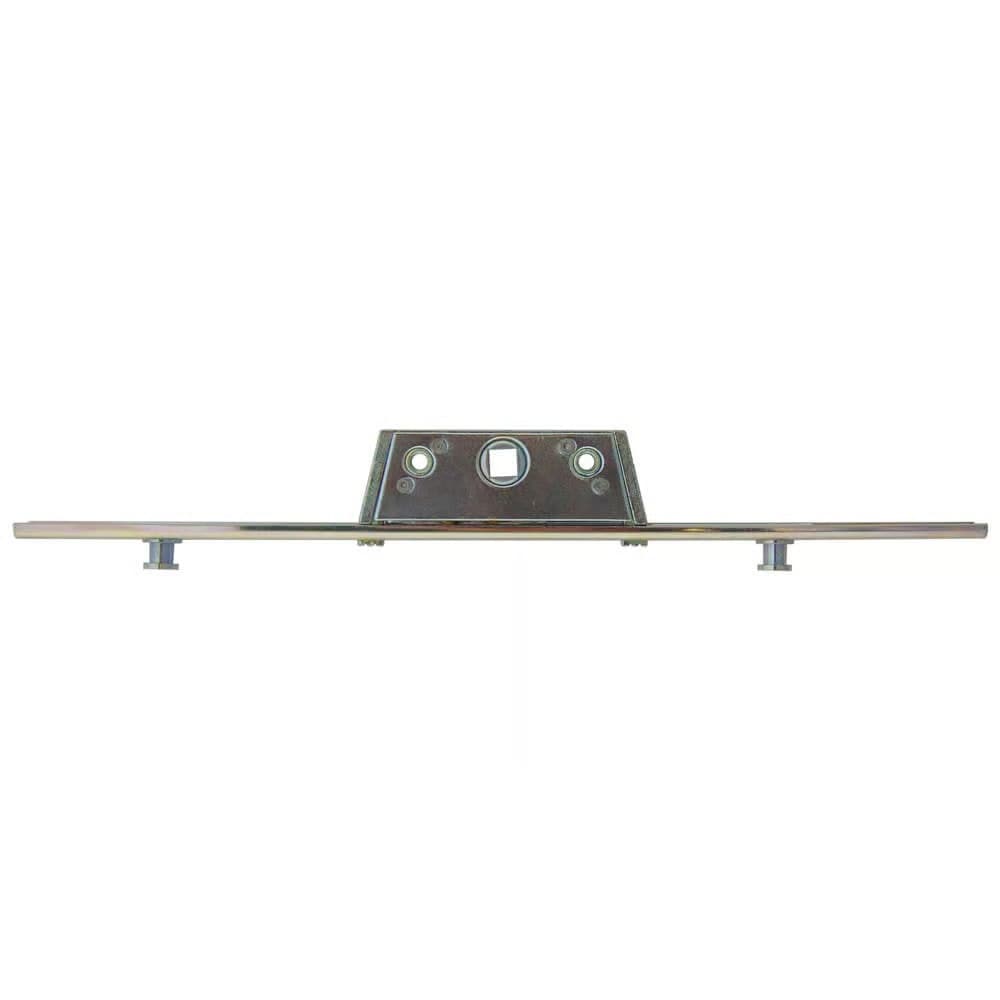
- ERAB Espagnolette Window Lock Universal Lock Replacement
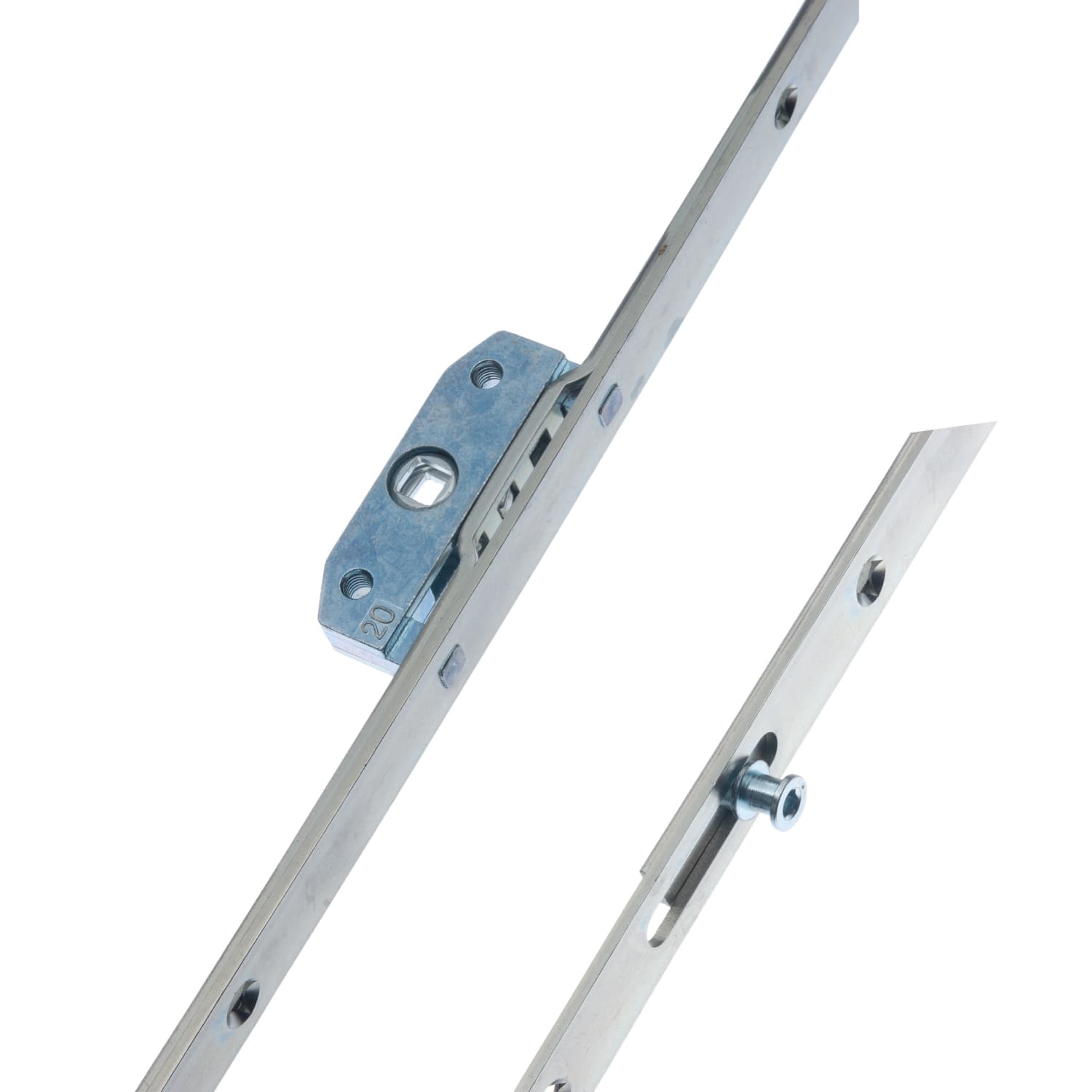
- Avocet Slimline Offset Window Espag
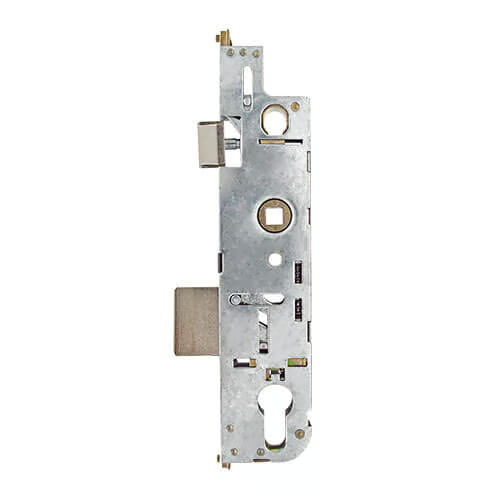
- Multipoint Gearbox GU Old Style
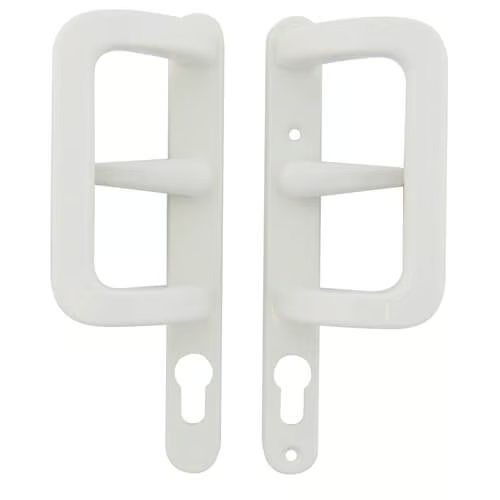
- Patio Door Handle Set - 92PZ White
- Winlock Patio Door Handle Set
Conclusion and next steps
Most espagnolette problems are avoidable with careful measurement, the correct parts and attention to alignment and fixings. Before you start: confirm part compatibility, gather the right tools and read the manufacturer instructions. During installation: pilot drill, align keepers precisely, avoid over-tightening and test thoroughly. After installation: lubricate, provide maintenance advice to the homeowner and document the final settings.
For part recommendations, fitting templates and technical support, visit our espagnolette guides page or contact Window Hardware Store’s trade team who can advise on specific products and supply any replacement rods, gearboxes and keepers you need.
Related articles
Window Gearbox Maintenance: Keeping Your Locks Working Smoothly
Window Gearbox Maintenance: Keeping Your Locks Working Smoothly A well maintained window gearbox keeps casement and tilt-and-turn windows operating smoothl...
Troubleshooting Shootbolt Problems: A Window Fitter's Guide
Troubleshooting Shootbolt Problems: A Window Fitter's Guide Shootbolts are a small but vital component in many modern window and patio door locking systems...
What Is a Shootbolt Lock? Complete Guide to Window Security
What Is a Shootbolt Lock? Complete Guide to Window Security What is a shootbolt? A shootbolt is a mechanical locking element commonly used in windows and d...