
Espagnolette Keeps and Strikers: Matching Parts for a Perfect Fit
Espagnolette Keeps and Strikers: Matching Parts for a Perfect Fit Espagnolette hardware is one of the most common locking systems on UK windows and some Fr...
Espagnolette Keeps and Strikers: Matching Parts for a Perfect Fit
Espagnolette hardware is one of the most common locking systems on UK windows and some French doors. Correct matching of keeps and strikers to the espagnolette mechanism is essential for security, weather performance and smooth operation. Whether you are a trade fitter replacing parts on-site or a homeowner doing a repair, knowing what to measure, what to match and what to adjust will save time and prevent repeat visits.
What is an espagnolette and what are keeps and strikers
An espagnolette is a locking system that uses a handle to operate a steel rod or gear bar with multiple locking points along the sash: top, bottom and sometimes intermediate positions. The keep or striker is the component fixed to the frame that receives the lock point: a hook, mushroom stud, roller or cam. Keeps are available in a variety of profiles and fixing patterns so the correct selection ensures the locking point engages squarely and provides compression against the weatherseal.
Why matching keeps and strikers matters
Mismatched keeps cause several practical problems: incomplete engagement of the lock; poor compression and draughts; accelerated wear of cams and studs; and reduced security. For trade professionals, incorrect keeps lead to on-site delays and call-backs. For DIYers, an ill-fitting striker is often the difference between a successful repair and a sash that will not lock or that deforms when forced. Matching means matching geometry, backset and fixing centres; it also means selecting the correct material and finish for the environment.
Key measurements and details to check
Before ordering a replacement keep or striker, record these essential details:
- Profile type: face-fix or rebated keep; threshold or head keep for doors.
- Backset or distance from the sash edge to the centre of the locking point: typical values vary so measure accurately with a steel rule.
- Fixing hole centres and plate dimensions: many keeps share common screw patterns but some manufacturers differ.
- Depth and projection of the striker pocket: ensures the bolt or mushroom head enters fully.
- Type of locking point: roller, mushroom, hooked bolt or cam; each requires a specific keep geometry.
- Material and finish: stainless steel for coastal locations; zinc plated or powder-coated for general use.
- Adjustment capability: some keeps have eccentric or slotted fixing holes to allow micro-adjustment up or down and in/out.
Practical trade advice: identifying and sourcing the correct part
For trade users the quickest route is to identify the lock manufacturer and part number; retaining a small stock of common keeps for popular systems reduces return trips. If the make is unknown, remove the keep and take close-up photos of the locking head and the keeper pocket. Compare the locking head to your stock: hooked bolts need a corresponding hooked keeper; mushroom head cams need a rounded pocket.
Where possible specify adjustable keeps for new installs; they allow site alignment without needing to redrill. For replacement on older timber frames, check that the frame is square and that any sash shrinkage or swelling has not altered the geometry permanently; if frames are distorted, consider repair or replacement rather than forcing a keep to fit.
DIY step-by-step: replacing a keep or striker
Tools and materials you will need: screwdriver set, chisel, tape measure, pencil, medium-grade silicone grease, replacement keep, packers or thin shims, small spirit level and a drill if screw holes need relocating.
- Open the window and operate the handle so the locking points are visible. Note the locking element type and measure the backset.
- Remove the old keep: unscrew and extract the plate. If it is sunk into a recess, gently prise out the keeper pocket to inspect for timber rot or frame damage.
- Dry-fit the new keep: align using the original fixing holes. If the new plate does not line up, use packers behind the plate or re-position the holes; be conservative with new holes to preserve frame strength.
- If the keep has an eccentric adjustment, fit it so the lock engages loosely and then adjust to create the correct compression against the gasket.
- Test the operation: close the sash then operate the handle and locking points repeatedly; confirm smooth engagement and release without forcing. Lubricate moving parts lightly with a silicone-based grease; avoid oil-based lubricants that attract dust.
- For door keeps at threshold or head positions, test at different temperatures if possible; thermal movement can affect compression.
Common problems and how to avoid them
- Incorrect backset: measure twice before ordering; poor backset causes the cam to hit the faceplate rather than engage the striker.
- Wrong keeper profile: do not assume that all mushroom heads use the same keep; compare head diameter and shoulder depth.
- Over-tightening screws: this can pull the plate out of alignment and damage thin aluminium frames; use correct torque and, where appropriate, threadseal or resin-backed screws for soft timber.
- Poor weatherseal compression: if the new keep produces too little compression consider an adjustable keep or using thin shims behind the keeper rather than altering the lock barrel position.
- Security compromise: avoid cheap aftermarket keeps of poor metal quality; invest in high-security steel keeps for doors and ground-floor windows and ensure compatibility with standards such as Secured by Design when required.
Compatibility with multipoint and other systems
Multipoint espagnolette systems often combine hooks, bolts and rollers. When replacing a single keep, ensure the adjacent locking points still align; on multipoint locks small misalignments multiply across the system. Some systems allow replacement of individual locking heads; others require replacement of the whole strip. When in doubt, photograph the full strip and consult the manufacturer or a specialist supplier. For trade professionals, maintaining a cross-reference chart for common makes and part numbers speeds up site work.
When to call a specialist
Call a specialist if you find frame decay, if multiple keeps are misaligned, or if the sash has twisted. Complex door multipoint failures or damage to welded uPVC corners are also best handled by experienced fabricators. For heritage timber windows requiring matching-period hardware, a specialist joiner or ironmonger will provide appropriate historically accurate keeps.
Recommended Products
Based on this article, you may find these products helpful:
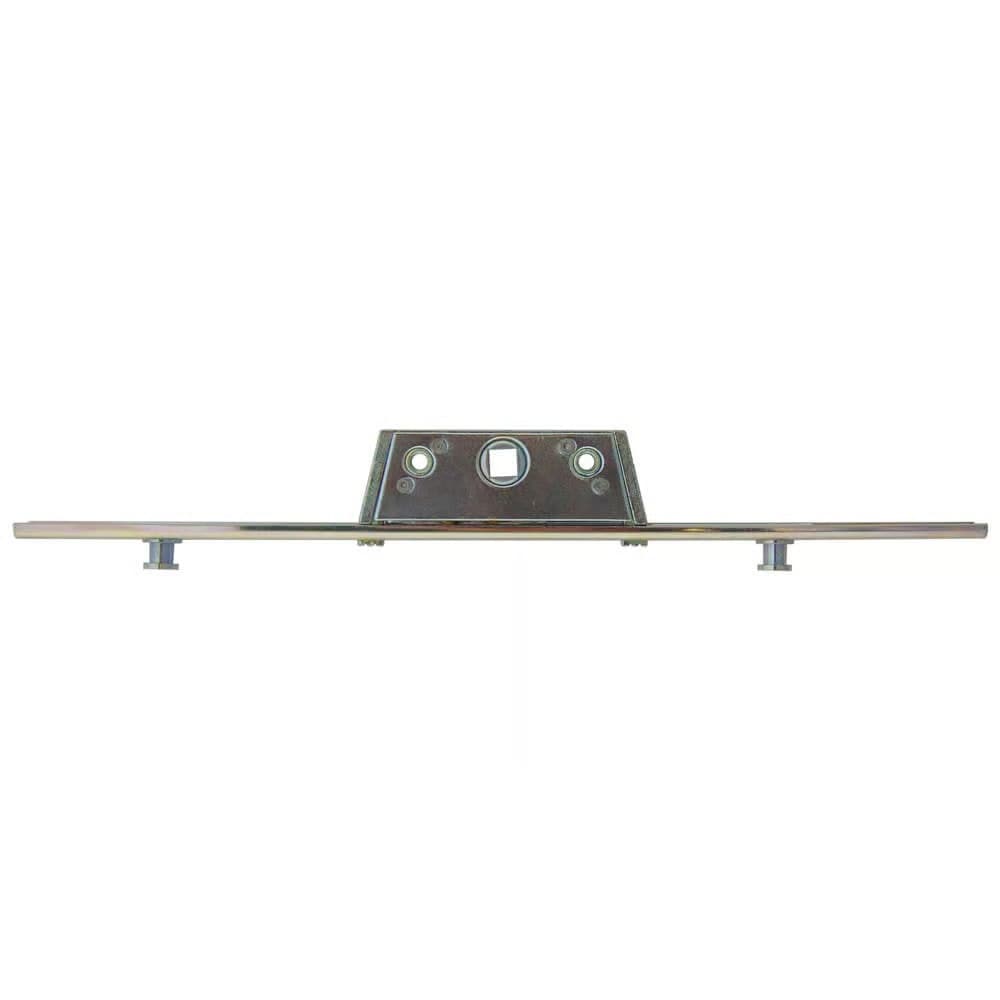
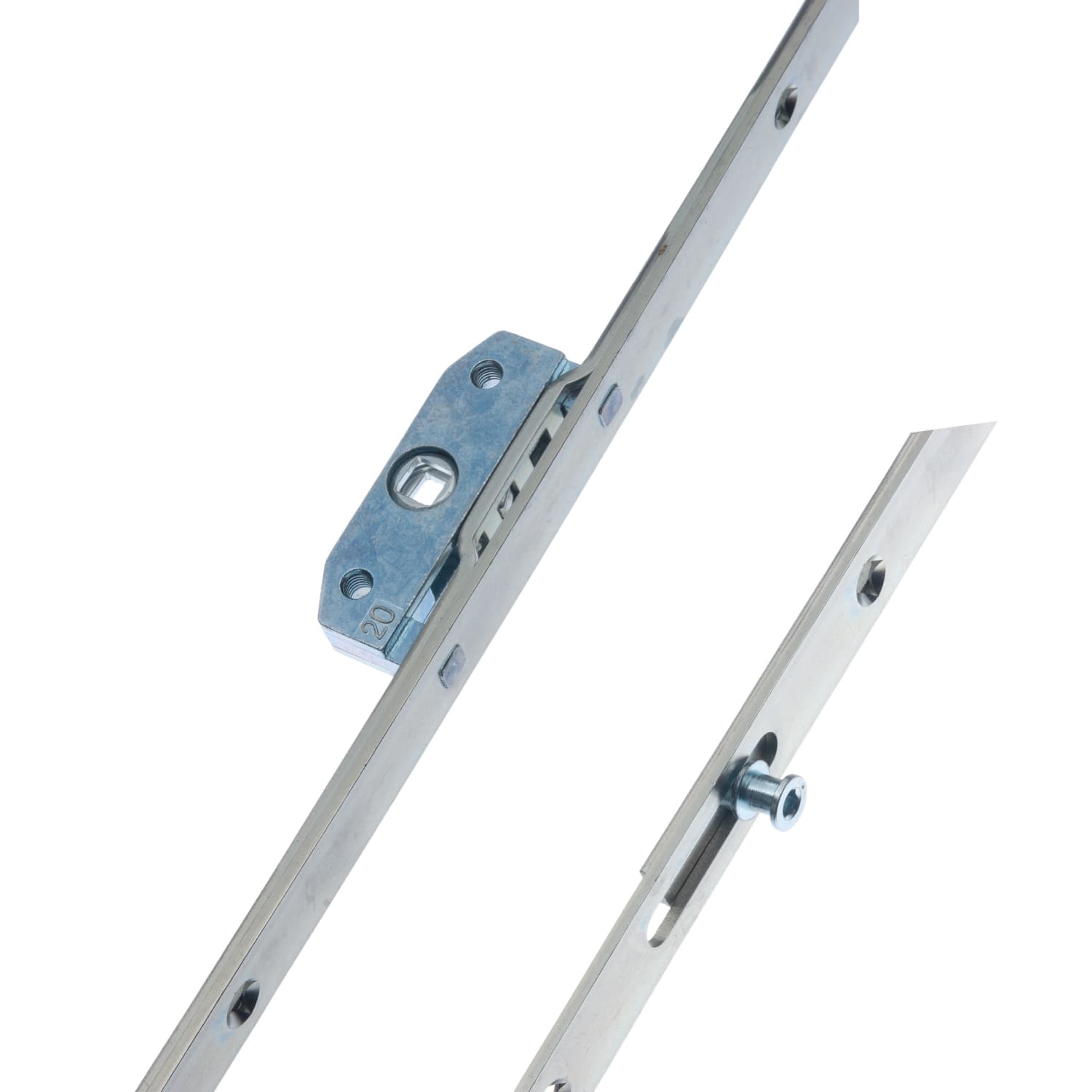
- ERAB Espagnolette Window Lock Universal Lock Replacement
- Avocet Slimline Offset Window Espag
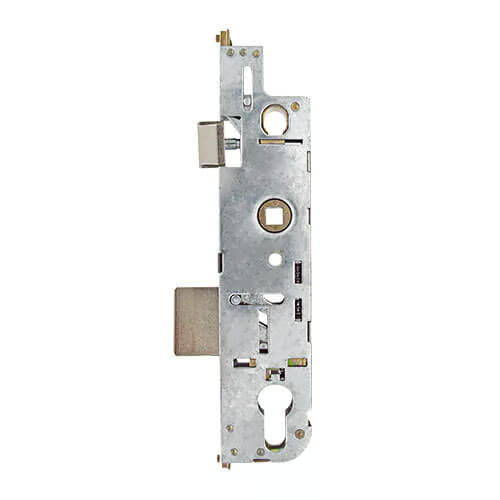
- Multipoint Gearbox GU Old Style
- In-Line Window Mechanism
- Offset Window Mechanism
Conclusion and next steps
Correctly matching espagnolette keeps and strikers is straightforward when you take accurate measurements, identify the locking point type and choose the right material and adjustment features. For trade professionals, keeping a selection of adjustable keeps and a library of manufacturer references reduces site delays. For homeowners, careful measurement and the steps above usually allow a successful DIY replacement.
Next steps: measure the backset and locking-head type on the unit you need to repair, check our product range or contact a technical advisor, and consult our detailed reference at /guides/espagnolette-window-locks for further technical information.

Related articles
Window Gearbox Maintenance: Keeping Your Locks Working Smoothly
Window Gearbox Maintenance: Keeping Your Locks Working Smoothly A well maintained window gearbox keeps casement and tilt-and-turn windows operating smoothl...
Troubleshooting Shootbolt Problems: A Window Fitter's Guide
Troubleshooting Shootbolt Problems: A Window Fitter's Guide Shootbolts are a small but vital component in many modern window and patio door locking systems...
What Is a Shootbolt Lock? Complete Guide to Window Security
What Is a Shootbolt Lock? Complete Guide to Window Security What is a shootbolt? A shootbolt is a mechanical locking element commonly used in windows and d...