
Espagnolette vs Shootbolt: Which Window Locking System Is Right for You?
Espagnolette vs Shootbolt: Which Window Locking System Is Right for You? Choosing the correct window locking system affects security, weather performance a...
Espagnolette vs Shootbolt: Which Window Locking System Is Right for You?
Choosing the correct window locking system affects security, weather performance and ease of use. Tradespeople and DIYers commonly choose between espagnolette and shootbolt mechanisms; each has strengths depending on the window material, size and intended use. This article compares the two, offers practical trade advice and DIY guidance, and points you to next steps.
What is an espagnolette?
An espagnolette is a multipoint locking mechanism usually operated from a single handle. Turning the handle moves a gearbox that drives a series of locking points: hooks, rollers or cams along the sash edge. Espagnolette systems are widely used on PVCu, aluminium and timber casement and tilt-and-turn windows. They provide continuous locking along the sash length and can give good compression for weatherproofing as well as security.
What is a shootbolt?
Shootbolts are vertical bolts that shoot into keeps in the frame at the top and bottom of the sash. They are typically operated by the same handle and gearbox as a central espagnolette; alternatively, they can be separate mechanisms engaged by a key or turn. Shootbolts are favoured for larger or heavier sashes, French windows and where extra anti-lift protection is required. Because the locking points engage at the extremities of the sash they help control racking and prevent sash movement under load.
Key differences at a glance
- Location of locking points: Espagnolette locks run along the sash edge; shootbolts secure at top and bottom.
- Suitability for sash size: Espagnolettes are excellent for standard casement and tilt-and-turn sashes; shootbolts are preferred for tall or heavy sashes and inward/outward-opening French windows.
- Aesthetics: Espagnolette gear is generally concealed in the edge, giving a slimmer look; shootbolts are more visible where the bolts engage keeps.
- Security and anti-lift: Shootbolts provide strong end-to-end security and anti-lift benefits; a correctly specified espagnolette with multiple mushroom cams or hooks can achieve equivalent security for typical sashes.
- Price and complexity: A basic espagnolette can be simpler and cheaper; shootbolt systems, especially heavy duty units, tend to cost more and may need more complex frame keeps.
Which should you choose: practical considerations
Consider the following when specifying a locking system:
- Window type: For standard side-hung casements and tilt-and-turn windows an espagnolette with multiple locking points is usually sufficient. For French doors, tall sashes or high-wind locations choose shootbolts or a combined solution.
- Frame material: Aluminium systems often use shootbolts where mechanical strength is needed; PVCu and timber often incorporate espagnolette gear built into the sash edge.
- Security requirements: If you need PAS 24 or Secured by Design compliance, specify multipoint gear with appropriate mushroom cams, high security keeps and upgraded cylinders where applicable.
- Weather performance: Espagnolette systems that provide consistent compression across the sash are good for airtight seals and can help meet BS 6375 performance levels.
- Aesthetics and sightlines: If minimal sightlines are important choose a slim espagnolette; if visible hardware is not an issue prioritise performance.
Trade advice: specifying and fitting
For installers and fabricators the following practical points reduce call-backs and ensure compliance:
- Measure accurately: Check gearbox length, backset and handle spindle size before ordering; mismatched parts are the most common cause of failures on site.
- Faceplate and keeps: Match faceplate lengths and keep positions; shootbolt keeps need firm fixing and should be reinforced in aluminium frames.
- Fixings: Use stainless steel or galvanised screws to avoid corrosion; countersink where required and ensure screws engage into solid material not just glazing bead or thin sections.
- Compression adjustment: Ensure roller cams and mushroom cams are set to provide even compression; adjust keeps if the sash is rubbing or not sealing fully.
- Security upgrades: For higher security use anti-bump, anti-snap cylinders and hardened keeps, and consider sash jammers for vulnerable ground-floor openings.
- Testing: Cycle the mechanism repeatedly during commissioning; check that shootbolts retract fully before the sash closes and that the espagnolette engages smoothly across all points.
DIY guidance: replacing or upgrading your lock
If you are a competent DIYer you can replace an espagnolette or shootbolt mechanism, but observe the following:
- Identify the existing system: Remove the handle and gearbox cover and photograph the gear. Note the spindle size and faceplate dimensions.
- Order matching parts: Replace like-for-like where possible; if upgrading to a different brand or type you may need to re-drill keeps or alter the faceplate routing.
- Tools and safety: Use correct screwdrivers, a square and a centre punch for pilot holes; when routing PVCu take care not to damage the reinforcement or glazing bead.
- Adjustment and lubrication: Once fitted, adjust compression screws and lubricate moving parts with light oil or silicone spray. Avoid heavy grease that attracts dust.
- When to call a professional: If keeps need re-positioning, frame reinforcement is required or the sash needs significant routing consult a trade fitter to ensure weather and security performance.
When to combine both systems
Some applications benefit from both espagnolette and shootbolt elements: an espagnolette provides compression across the sash while shootbolts secure the extremities for anti-lift and additional rigidity. This hybrid approach is common on French doors and oversized windows where both sealing and strength are required.
Costs and practical examples
Costs vary by material and grade. A basic espagnolette gearbox for a standard PVCu window is typically lower cost than heavy duty shootbolt sets for aluminium French doors. For a high-security upgrade expect higher material costs and longer installation time. As a practical rule: standard casements—espagnolette; tall sashes/French doors—shootbolts or a combined system.
Recommended Products
Based on this article, you may find these products helpful:
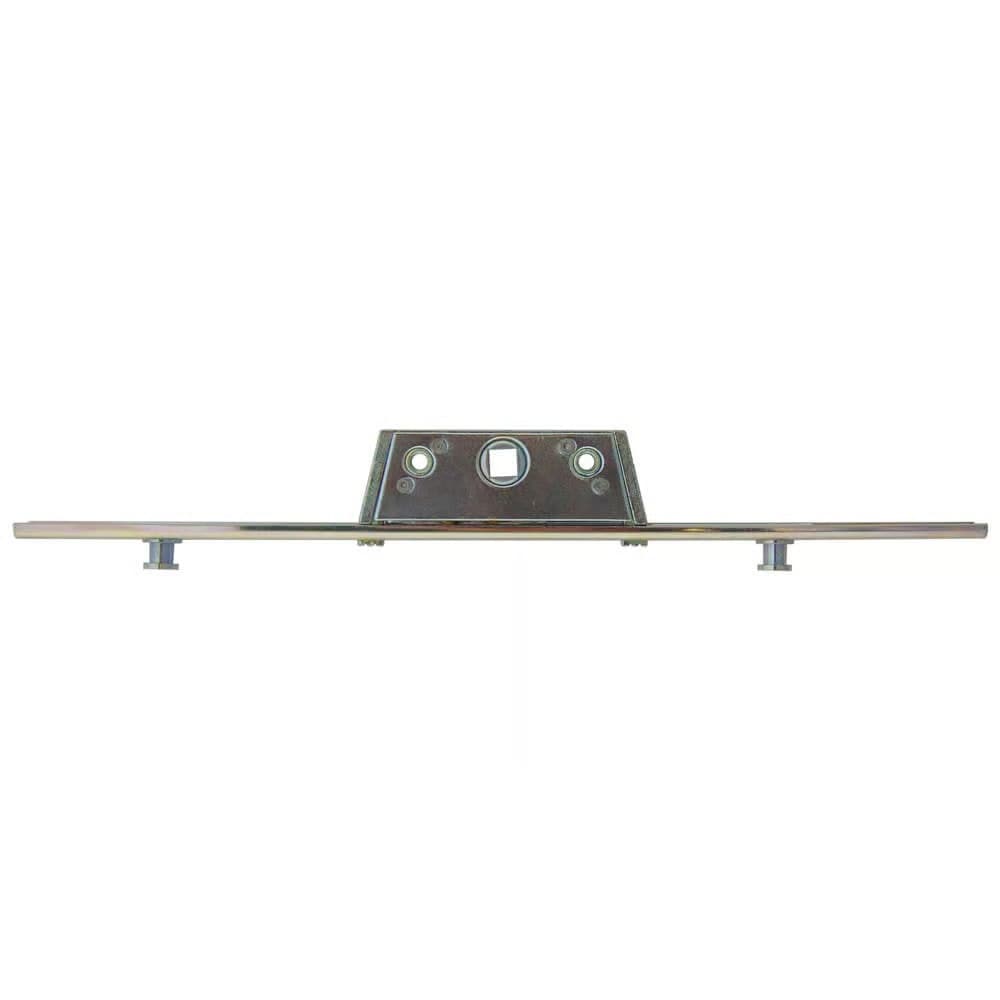
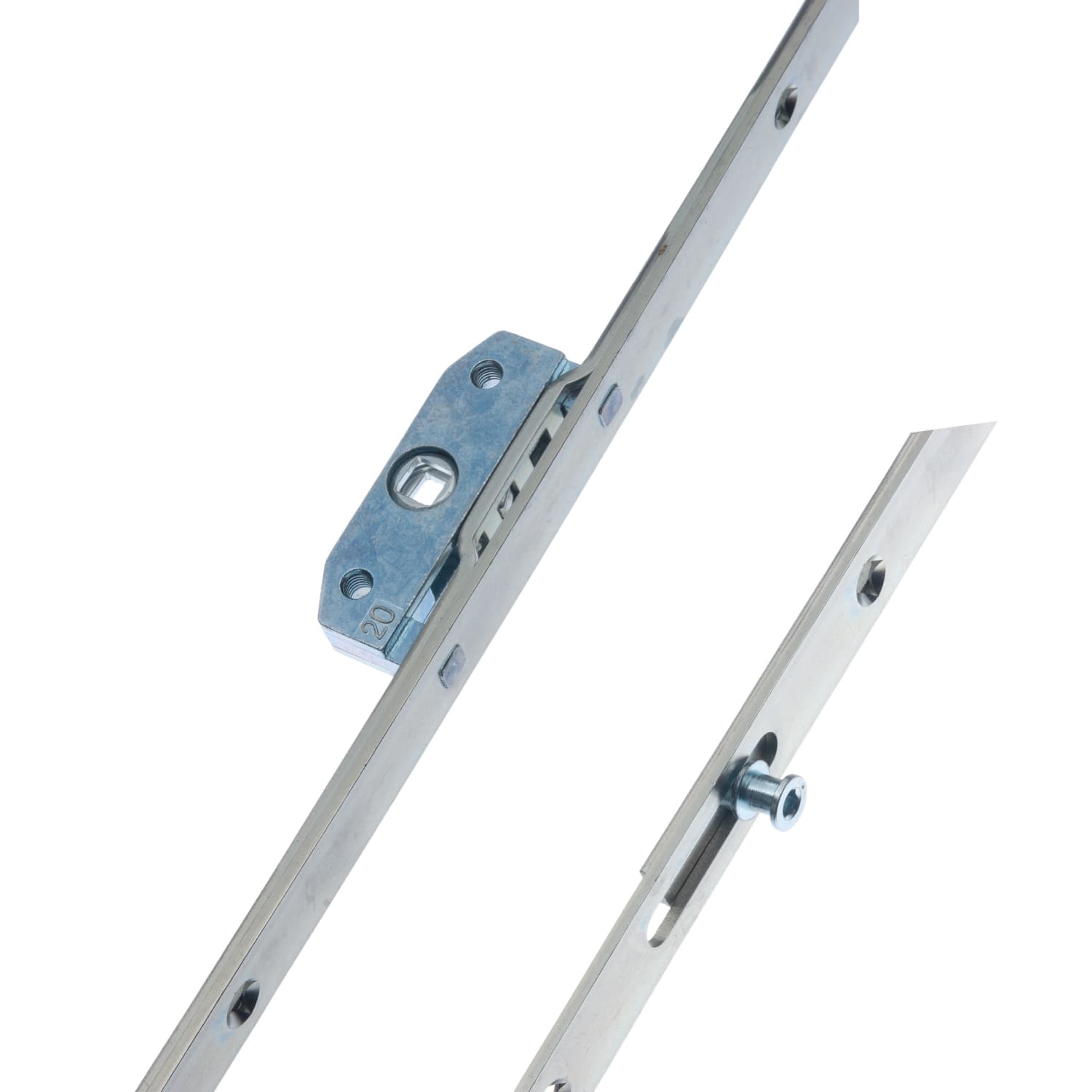
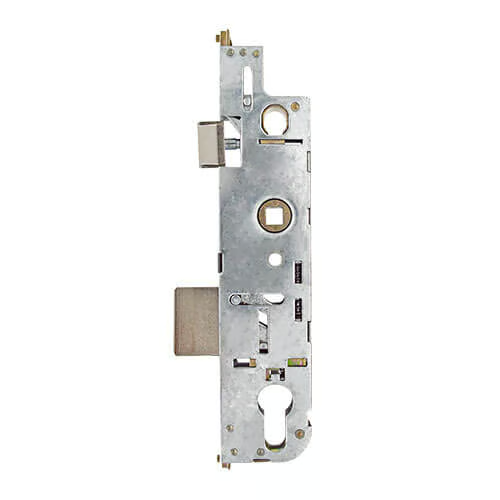
- ERAB Espagnolette Window Lock Universal Lock Replacement
- Avocet Slimline Offset Window Espag
- Multipoint Gearbox GU Old Style
- In-Line Window Mechanism
- Offset Window Mechanism
Conclusion and next steps
Both espagnolette and shootbolt systems have a place on UK windows. Choose espagnolette for slim profile, even compression and standard sashes; opt for shootbolts for tall or heavy sashes and where extra anti-lift security is needed. For the best results match the mechanism to your frame material, check PAS 24 compliance where security is critical, and ensure proper keeps and fixings.
Next steps: measure your sash and gearbox, consult the technical pages at /guides/espagnolette-window-locks for detailed spec sheets, or contact Window Hardware Store for trade pricing and advice on suitable espagnolette and shootbolt products for your project.

Related articles
Window Gearbox Maintenance: Keeping Your Locks Working Smoothly
Window Gearbox Maintenance: Keeping Your Locks Working Smoothly A well maintained window gearbox keeps casement and tilt-and-turn windows operating smoothl...
Troubleshooting Shootbolt Problems: A Window Fitter's Guide
Troubleshooting Shootbolt Problems: A Window Fitter's Guide Shootbolts are a small but vital component in many modern window and patio door locking systems...
What Is a Shootbolt Lock? Complete Guide to Window Security
What Is a Shootbolt Lock? Complete Guide to Window Security What is a shootbolt? A shootbolt is a mechanical locking element commonly used in windows and d...