Fire Escape Window Hinges: A Landlord's Guide
Fire Escape Window Hinges: A Landlord's Guide For landlords the term egress hinge often comes up when ensuring that windows used as escape routes operate r...
Fire Escape Window Hinges: A Landlord's Guide
For landlords the term egress hinge often comes up when ensuring that windows used as escape routes operate reliably under stress; choosing the right hinge and maintaining it can be the difference between a safe evacuation and an avoidable risk. This article explains what an egress hinge is, the legal and practical considerations for rental properties, trade advice on specification, and clear DIY steps for inspection and replacement.
What is an egress hinge and why it matters
An egress hinge is a window hinge designed to allow a sufficiently large and unobstructed opening so that a person can escape through the window in an emergency. Unlike general-purpose hinges, egress hinges are paired with hardware that permits quick operation without tools or keys and can be used on inward or outward opening windows depending on the design. For landlords an egress hinge is part of a broader means of escape system and must be reliable, durable and easy to operate for all tenants.
Legal and safety considerations for landlords
UK building regulations and fire safety guidance require that means of escape are provided where necessary and that escape routes are kept clear and usable. When a window is relied upon as an escape route a practical benchmark often used is a clear opening area of 0.33 m² (3300 cm²) with no dimension less than 450 mm; local building control, lease terms or other standards may set different requirements so always check. Critically, escape windows must open without the need for tools, keys or specialist knowledge: an egress hinge should allow the sash to open freely and remain secure in the open position.
Note: egress hinges are not a substitute for fire doors or fire-rated hardware. They ensure escape capability; they do not provide fire resistance. Landlords should carry out a fire risk assessment and consult Approved Document B, local building control or a fire safety specialist if in doubt.
Types of egress hinges and associated hardware
- Casement egress hinges: for side-hung windows; allow the sash to open fully and often include friction or stay options to hold the sash open.
- Top-hung egress stays: used on rooflights and top-hung casements to provide a large outward opening; they must be able to withstand wind loads and provide positive hold-open action.
- Quick-release restrictors: allow the window to be used as a ventilation control but can be released from the inside to provide full egress; these must be operable without a key.
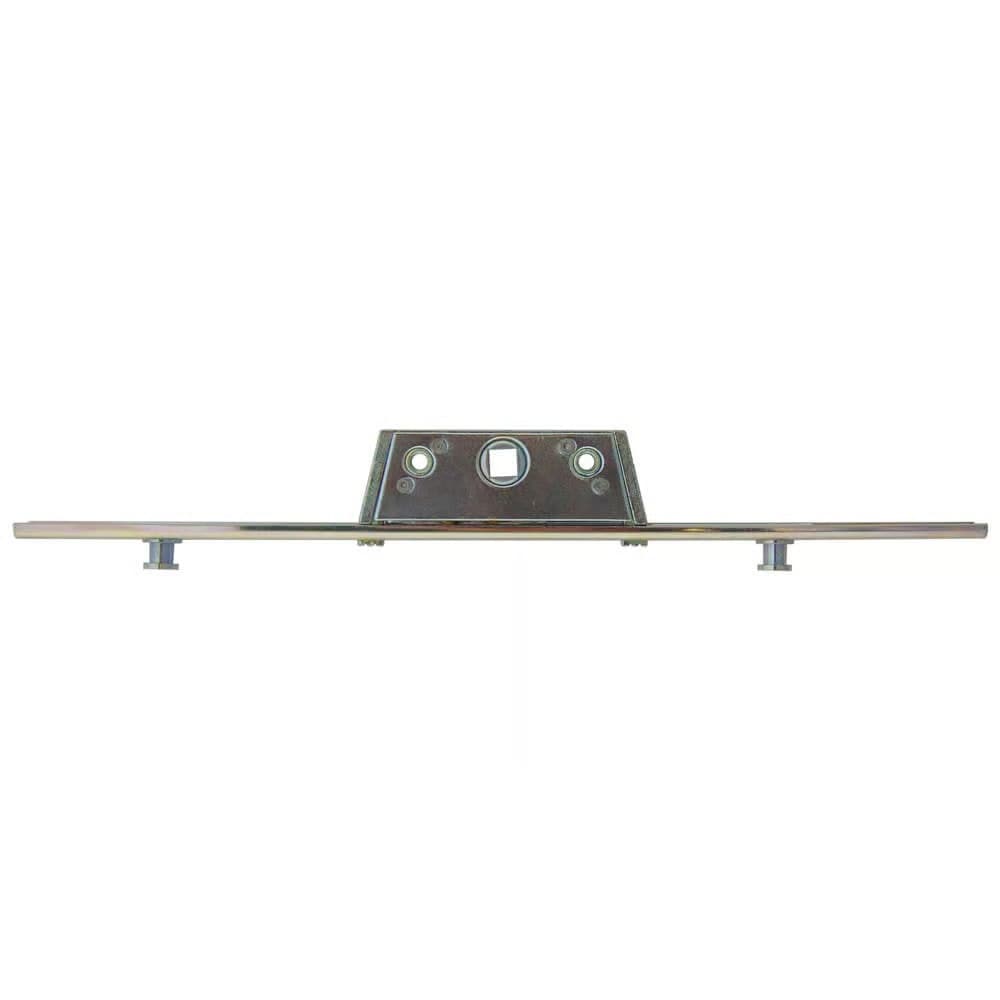
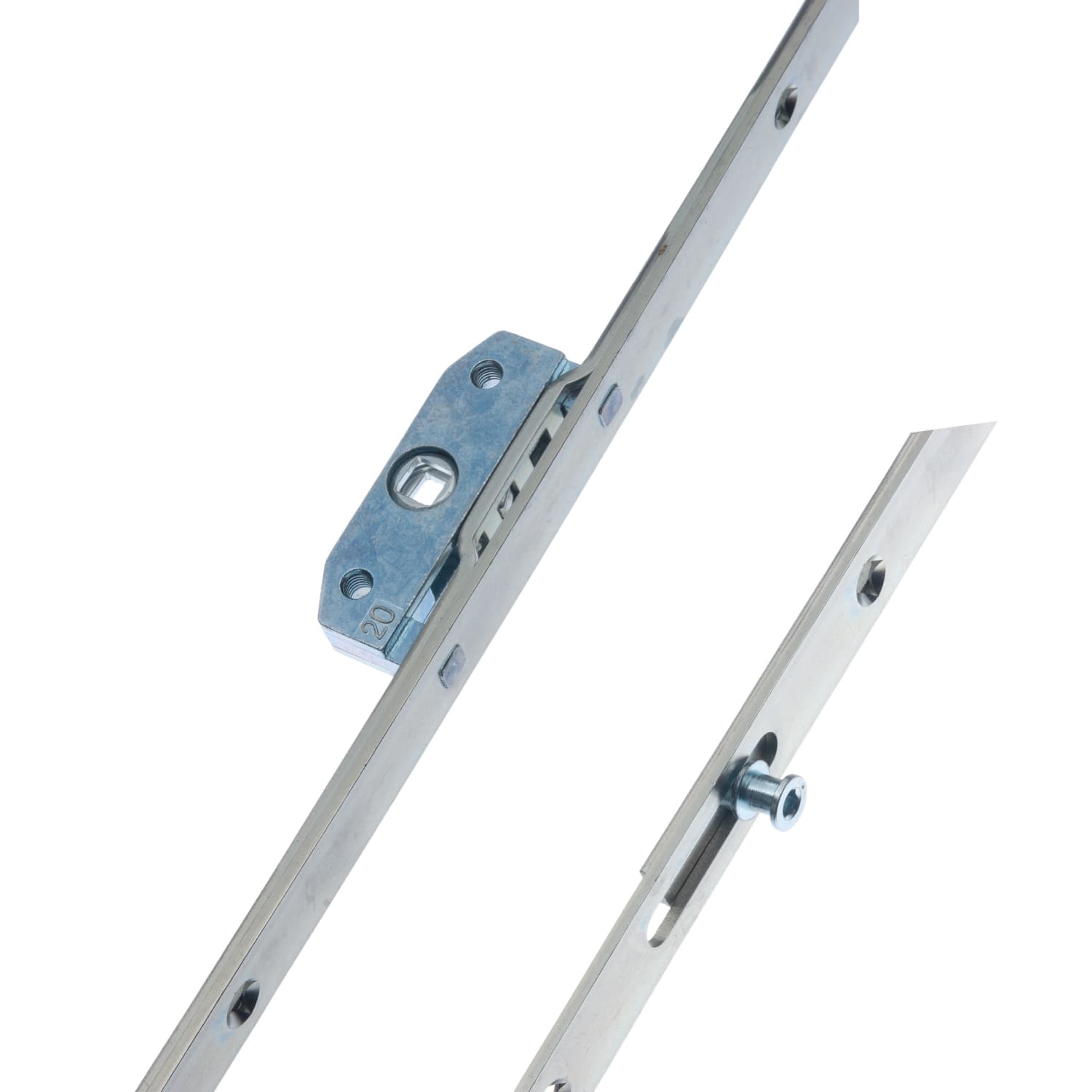
- Multipoint and espagnolette locks with egress functionality: locks that can be opened quickly from inside, sometimes fitted with anti-lift pins and reinforced keeps to maintain security without preventing escape.
Trade advice: specifying the right egress hinge
When specifying an egress hinge for rental properties consider the following practical points:
- Load capacity: check sash weight and choose hinges rated above the operational load to reduce wear. Heavy timber sashes require heavy-duty butt or continuous hinges; PVCu and aluminium generally use reinforced hinge systems.
- Material and finish: stainless steel or corrosion-resistant coatings are recommended for longevity, especially in coastal or high-humidity locations.
- Fixing method: ensure hinges are fixed into reinforcement where possible; self-tapping screws into thin profiles are not acceptable for long-term safety. Use the manufacturer’s recommended screw lengths and thread engagement depths.
- Compatibility: match the hinge with the lockset, restrictor and handle to ensure the window achieves the required clear opening and that the hardware does not interfere with escape operation.
- Ease of use: for properties with older or less mobile tenants consider hinges and stays that provide a low opening force and clear, intuitive release action.
- Certification and testing: choose hardware from reputable manufacturers with technical data sheets; some products are independently tested for performance and durability.
DIY inspection, maintenance and replacement guidance
Regular inspection and basic maintenance will keep egress hinges reliable. Tradespeople and competent DIYers can perform these tasks safely; if in any doubt hire a certified installer.
- Inspection: check operation at least twice a year. Open the window fully and observe the hinges for play, corrosion, bent steel or loose fixings. Ensure the sash holds open where required and that any quick-release mechanism operates smoothly.
- Lubrication: use a light machine oil or silicone spray on moving parts; avoid over-greasing as this attracts dirt. Wipe away excess lubricant after operation.
- Tightening and re-fixing: replace any missing or rounded screws. Where screws pull out of thin profiles add appropriate reinforcing plates or fix into the steel or timber reinforcement channel.
- Replacement: when replacing a hinge support the sash to prevent damage. Remove the old hinge, clean the area, check the rebate and frame for rot or deformation, then position the new hinge using the manufacturer’s template. Use the correct screw type and torque. After fitting, adjust alignment and test the clear opening and locking function.
- Records: keep a simple maintenance log for each property; note dates of inspection, parts replaced and tests carried out. This helps demonstrate due diligence to tenants and enforcement officers.
Installation checklist for tradespeople
- Confirm sash weight, material and reinforcement before ordering hinges.
- Ensure all occupants have been informed and the work area is safe.
- Support the sash securely before removing hinges.
- Fit hinges to manufacturer templates and use specified fixings.
- Check gasket and weatherseal integrity after refitting to maintain thermal performance.
- Test opening force, hold-open action and quick-release operation; record the results.
Recommended Products
Based on this article, you may find these products helpful:
- ERAB Espagnolette Window Lock Universal Lock Replacement
- Avocet Slimline Offset Window Espag
- Top-Hung Window Hinge - Standard
- Side-Hung Window Hinge - Standard
- Top Hung Friction Stay - 12"
Conclusion and next steps
For landlords ensuring that windows used for escape have the correct egress hinge, compatible hardware and regular maintenance is a straightforward way to reduce risk and meet safety expectations. Start by reviewing which windows in your property are intended as escape routes; check opening dimensions against accepted benchmarks and inspect existing hinge hardware. For replacements choose corrosion-resistant, appropriately rated hinges and use proper fixings into reinforcement.
Further reading and technical reference materials are available on our pillar page about window hinges: /guides/window-hinges. If you require product recommendations or a site survey, contact a qualified window hardware specialist or a registered installer who can advise on compliance and fitment for your specific property.