What Is an Egress Hinge? Fire Escape Window Requirements
What Is an Egress Hinge? Fire Escape Window Requirements What is an egress hinge? An egress hinge is a window hinge designed to allow a sash to open to a w...
What Is an Egress Hinge? Fire Escape Window Requirements
What is an egress hinge?
An egress hinge is a window hinge designed to allow a sash to open to a wide, unobstructed position or to be quickly released for emergency escape or rescue. Egress hinges are used where a window forms part of an escape route from a habitable room; they differ from standard friction or restricted hinges because they prioritise maximum clear opening and rapid operation. On casement and pivot windows an egress hinge will either allow the sash to swing beyond the usual stop or provide a quick-release action so the complete sash can be removed.
Building regulations and escape window requirements
In the UK, escape window provisions are covered by Approved Document B (fire safety) and other relevant guidance for dwellings. Typical practical requirements are as follows:
- Clear opening area: generally at least 0.33 m² of unobstructed clear opening.
- Minimum dimension: one clear dimension should be at least 450 mm.
- Cill height: the bottom of the openable part should normally be no more than 1100 mm above finished floor level; lower cill heights make escape easier.
- Means of opening: the window must be openable from the inside without the use of a key or specialist tool.
These are typical figures used by builders and building control; specific projects may need confirmation from building control or a fire engineer. For rooms above ground floor level or where the window forms a primary escape route, ensure compliance with Approved Document B and any local authority conditions.
Types of egress hinges and where they are used
There are several common hinge designs that provide egress capability. Choice depends on frame material and desired operation:
- Quick-release butt hinges: the sash can be lifted out of the frame by releasing one side; common on timber windows and easy to retrofit.
- Removable hinge pins: a pin is withdrawn to remove a sash quickly; suitable where occasional removal is needed for rescue.
- High-opening friction/egress hinges: specially profiled friction hinges that permit the sash to open to 90 degrees or beyond to maximise clear opening; widely used on PVC-U and aluminium casements.
- Parallel opening or projecting egress hinges: used where the sash needs to project fully clear of the frame for rescue access.
When selecting a hinge, confirm load capacity and compatibility with the sash weight and material. For PVC-U and aluminium frames use hinges specified by the window manufacturer where possible to avoid warranty and performance issues.
Practical trade advice: specification and installation
Tradespeople should consider the following when specifying egress hinges:
- Load rating: choose hinges rated above the sash weight to allow for wear and added loads such as wind; allow a margin of at least 20 percent.
- Corrosion resistance: for coastal locations specify A4 stainless steel or suitably coated hardware; salt air accelerates corrosion.
- Fixings: use long engagement screws into the frame substrate; for timber frames use countersunk screws long enough to penetrate framing timber by at least 45 to 60 mm; for masonry fixings choose appropriate plugs and screws or use metal frame anchors.
- Security: ensure egress hinges can be secured when closed and that locks remain keyless from the inside; specify hinges that are compatible with multipoint locking systems if fitted.
- Certification: where escape windows are part of a regulatory submission, keep product data sheets and test evidence to show compliance with relevant standards.
DIY guidance: replacing or fitting an egress hinge
If you are a competent DIYer, replacing or fitting an egress hinge is achievable with standard hand tools. Steps to follow:
- Assess suitability: confirm sash weight and dimensions; buy hinges rated for that weight and compatible with the frame material.
- Remove the sash: prop the window open and support the sash; remove existing fixings carefully and slide the sash out if necessary.
- Mark and pre-drill: transfer hinge positions from old hinge or follow manufacturer template; pre-drill pilot holes to avoid splitting timber or cracking PVC-U.
- Fit hinges to sash first: attach hinges to the sash with recommended screws, then position sash back in the frame and secure the hinge to the frame.
- Adjust and test: set hinge adjustments so the sash closes squarely and achieves the required clear opening; test quick-release or removal action to ensure it operates under load.
- Check weather seals: confirm that seals remain effective after fitting; adjust or replace seals where necessary to maintain weather performance.
Safety notes for DIY: always support heavy sashes during removal; wear eye protection when drilling; if you are unsure about load-bearing fixings or structural alterations consult a professional.
Security, maintenance and testing
Fitting an egress hinge for escape must not compromise security. Choose fittings that lock securely when closed and that are only operable without a key from the inside. For child safety consider removable restrictors that can be released by an adult without a key. Maintain hinges as follows:
- Lubricate pivots annually with a light oil or suitable grease; avoid heavy greases that attract dust.
- Inspect fixings and clearances after the first season and then at regular intervals; tighten screws and check for corrosion.
- Carry out an escape test: from inside the room ensure the window can be opened easily and provides the required clear opening; record tests for site files where required.
Recommended Products
Based on this article, you may find these products helpful:
- Top-Hung Window Hinge - Standard
- Side-Hung Window Hinge - Standard
- Top Hung Friction Stay - 12"
- UAP Keyless Window Restrictor
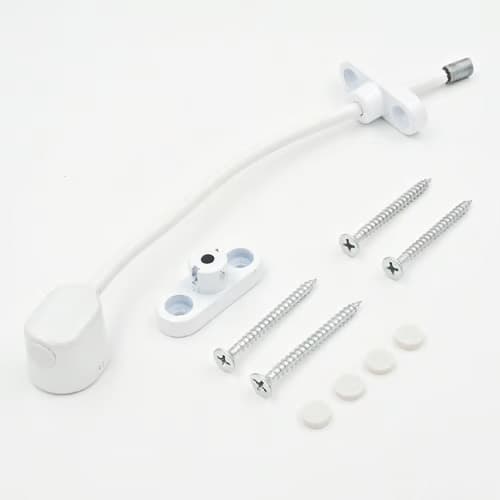
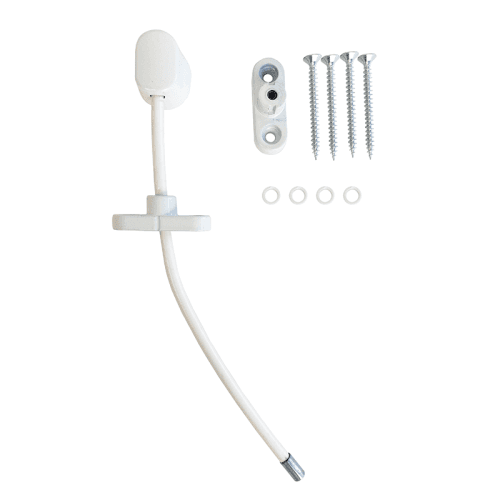
- TSS Keyless Cable Window Restrictor
Conclusion: next steps
An egress hinge is a practical and often necessary piece of hardware where a window forms part of an escape route. For trade professionals specify hinges to match sash weight, frame material and regulatory requirements. DIYers can replace or fit egress hinges if they follow manufacturer instructions and use appropriate fixings; when in doubt engage a competent installer.
For more information on hinge types, manufacturers and detailed technical data see our pillar page: /guides/window-hinges. If your project requires Building Control approval or involves complex escape arrangements contact your local building control or a fire safety consultant before installation.