
Anti Arson Letterbox: How Fire-Resistant Letterboxes Protect Your Home
Introduction An anti arson letterbox is a simple but effective upgrade that reduces the risk of fire being started through a letterbox slot. In the UK, ars...
Introduction
An anti arson letterbox is a simple but effective upgrade that reduces the risk of fire being started through a letterbox slot. In the UK, arson attacks via letterboxes have led to devastating home fires; installing a fire-resistant letterbox can help protect people, property and possessions. This guide explains how anti arson letterboxes work, what to look for when buying one, practical installation and maintenance tips, and complementary security upgrades to consider.
What is an anti arson letterbox?
An anti arson letterbox is a letterplate assembly designed to prevent flames, smoke and burning debris from entering a property through the letterbox opening. These fittings typically incorporate fire-resistant materials and intumescent seals that expand under heat to close gaps, thereby maintaining the integrity of the door in a fire. They can be fitted to timber and composite doors, and some models are suitable for metal or PVCu doors as part of retrofit or new-build installations.
Key features to look for
When choosing an anti arson letterbox, consider these critical features:
- Fire rating: Look for products tested to recognised standards. While BS fire-rating for letterplates is less common than for doors, manufacturers often state the duration their product will resist flame penetration. Choose the highest practical rating.
- Intumescent seals: These expand when heated to seal the aperture and stop smoke and flames passing through.
- Secure internal flap or box: A robust internal flap or integral box can prevent burning material from dropping into the hallway.
- Weatherproofing and draught-proofing: Quality seals will also reduce draughts and water ingress.
- Material and construction: Stainless steel or heavy-gauge metal plates minimise warping or failure in heat.
- Suitable for your door type: Check whether the unit is compatible with timber, composite, aluminium or PVCu doors and whether extra trimming or reinforcement is required.
Types of anti arson letterboxes
- Fire-rated letterplates: Designed specifically to resist flame and smoke penetration; often include intumescent strips.
- Through-door fire boxes: A box fitted to the interior of the door that captures mail within a metal enclosure and prevents burning debris from entering the property.
- External hood or internal flap systems: Combine a strong external cover with an internal fire-resistant flap for added protection.
Practical installation advice
- Follow manufacturer instructions: Installation details vary by product and door type; incorrect fitting will compromise performance.
- Prepare the door correctly: For retrofits, ensure the door edge and surrounding area are free from rot or weakness. Composite doors may require specific reinforcement.
- Positioning: Fit the letterbox at standard height but ensure it aligns squarely; misalignment can prevent the internal mechanism closing correctly.
- Use intumescent tape where required: Some products include or specify intumescent tape to be applied around the aperture; do this carefully and ensure continuity.
- Seal the edges: Use fire-rated sealant if recommended to prevent smoke bypassing the intumescent strip.
- Consider professional fitting: Tradespeople experienced with fire-performance products will ensure seals and fixings are correctly installed for maximum effectiveness. For tradespeople, having the correct drill bits, router cutters and chisels on site makes the work straightforward.
Maintenance and testing
- Inspect annually: Check the external and internal flaps, seals and fixings for wear, corrosion or damage.
- Clean regularly: Remove dust and debris from the flap area so it closes fully.
- Replace intumescent materials when worn: Intumescent strips have a serviceable life; replace them if compressed, cracked or missing.
- Check alignment: Ensure the internal box or flap still lines up properly with the external plate and that nothing jams movement.
- Weatherproofing: Reapply any degraded external sealant to stop water ingress, which can damage seals and metalwork.
Complementary security and safety upgrades
An anti arson letterbox protects against one specific threat but should form part of a wider security and safety strategy:
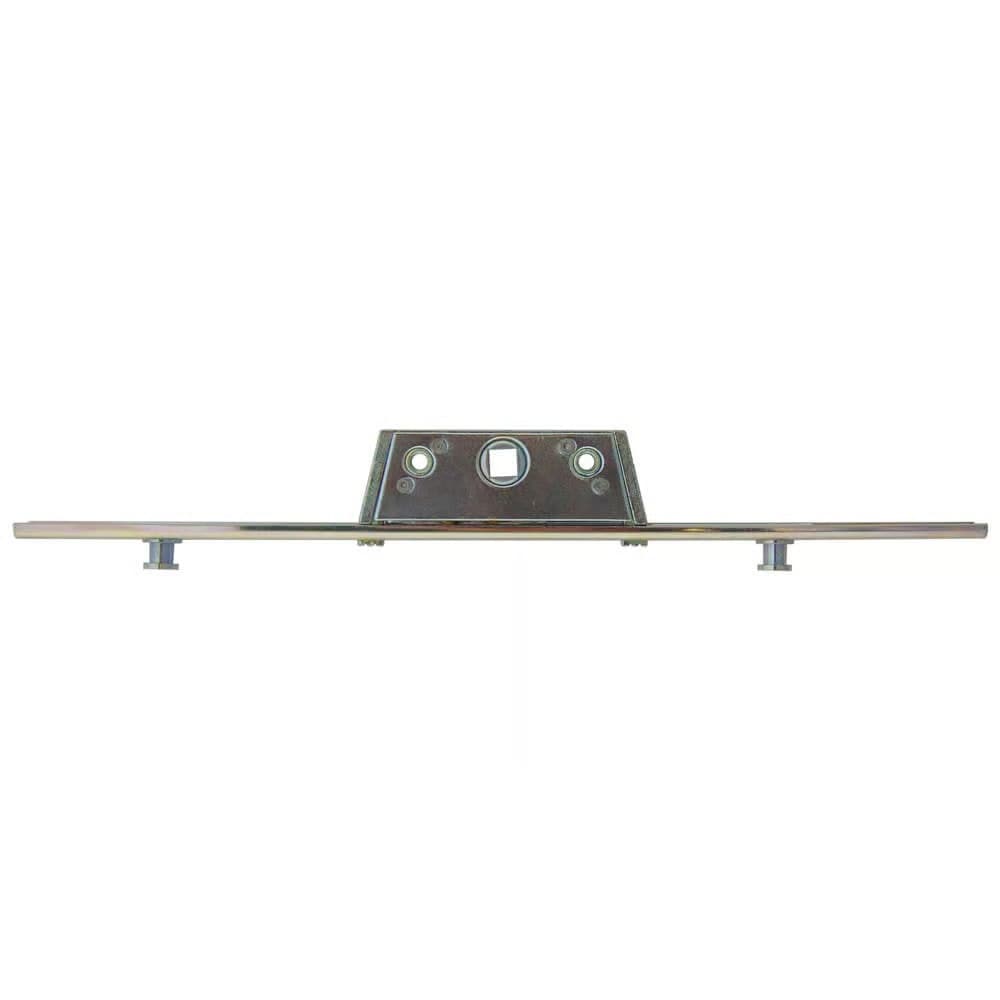
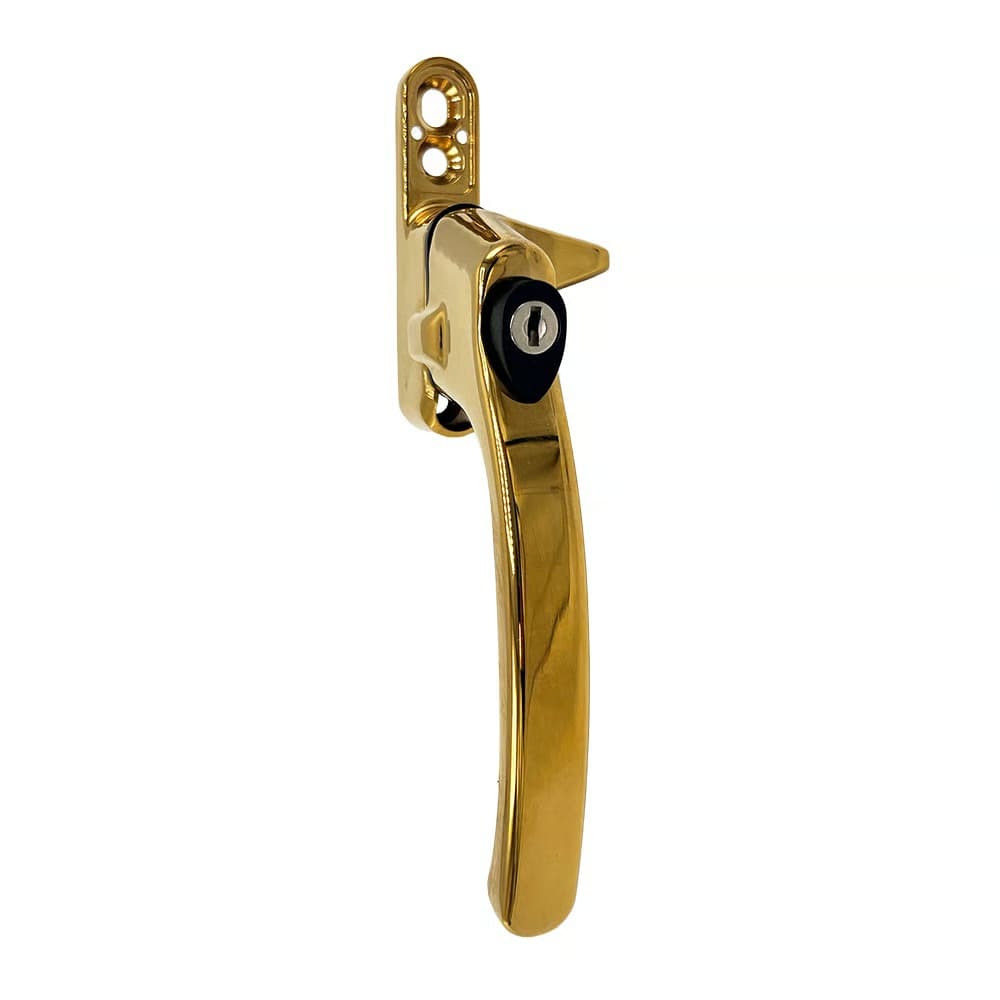
- Upgrade window hardware: Secure, well-operating windows reduce overall vulnerability. Consider durable handles and espagnolette hardware like TSS Cockspur Window Handles for cost-effective casement windows, the ERA Universal Inline Window Handle for inline locking applications, or the Avocet Slimline Offset Window Espag for modern uPVC and aluminium systems.
- Fit a smoke alarm system: Fire detection reduces response times and saves lives. Ensure alarms are installed on each floor and maintained regularly.
- Consider door reinforcement: A solid core or composite door with good fire performance helps. Letterbox upgrades are best installed on doors with sound structural integrity.
- External lighting and visibility: Simple deterrents like good lighting and clear sightlines reduce malicious activity around entrances.
Buying considerations and cost
Costs vary by type and performance. Basic anti arson letterplates are affordable, while through-door fire boxes and certified, high-performance models cost more but offer better protection. Factor in professional installation and any door modifications. Check warranties and product literature for stated fire performance. Some insurers may offer discounts or require specific measures; retain product specifications to support any claim.
Regulations and insurance
There isn’t a single mandatory UK regulation requiring all doors to have fire-rated letterboxes, but building regulations and insurance policies may specify requirements for certain property types (for example, communal entrance doors in flats). For flats and HMOs, landlords must ensure adequate fire safety measures. Keep records of installations and fit products from reputable suppliers.
Conclusion
An anti arson letterbox is a practical, cost-effective component of home fire safety and security. Choosing a product with intumescent seals, robust construction and an appropriate fire resistance will significantly reduce the risk of flames and smoke entering through the letter slot. Combine a fire-resistant letterbox with good door condition, smoke detection, and window hardware upgrades such as the TSS Cockspur Window Handles, ERA Universal Inline Window Handle or Avocet Slimline Offset Window Espag to improve overall safety and security. Regular inspection and maintenance will keep the system working when it’s needed most.
Related Reading
Explore more guides on related topics:
Part of our guide:
Complete Guide to Letter BoxesProducts mentioned in this article
Related articles
Internal vs External Letterbox Draught Excluders: Which Works Better?
Internal vs External Letterbox Draught Excluders: Which Works Better? A letterbox is a small opening that can let in a disproportionate amount of cold air,...
How to Retrofit an Anti Arson Letterbox to an Existing Door
How to Retrofit an Anti Arson Letterbox to an Existing Door What is an anti arson letterbox and why retrofit one? An anti arson letterbox is a specialist l...
Letterbox Draught Excluder for Security: Added Protection
Letterbox Draught Excluder for Security: Added Protection A well-chosen letterbox draught excluder reduces heat loss and noise while contributing to a stro...