Bubble Gasket vs Wedge Gasket: Which Seal Does Your Window Need?
A well-sealed window keeps heat in, noise out and draughts at bay. Choosing the right seal for repair or upgrade can make a noticeable difference to comfor...
A well-sealed window keeps heat in, noise out and draughts at bay. Choosing the right seal for repair or upgrade can make a noticeable difference to comfort and energy bills. Two common types used in modern double glazing are the bubble gasket and the wedge gasket. This guide explains how each works, where they perform best, and gives practical steps for selecting and fitting the correct seal for your windows.
What is a bubble gasket?
A bubble gasket is a rounded, hollow seal made from flexible PVC or TPE that compresses into the frame and sash to form a tight weatherproof barrier. Its circular or oval profile creates a soft contact area that tolerates uneven surfaces and repeated movement well. Because of its shape, a bubble gasket offers good acoustic and thermal performance while providing a cushioned seal that helps reduce wear on both frame and sash.
What is a wedge gasket?
A wedge gasket (sometimes called a draught excluder seal) has a triangular or trapezoidal profile. It compresses along a narrow edge and is typically used where a firmer, more rigid seal is required. Wedge gaskets are common on older timber windows and some aluminium systems where the frame gap is consistent and the seal needs to resist stronger wind forces without excessive deformation.
Bubble gasket vs wedge gasket: key differences
- Profile and compression:
- Comfort and performance:
- Durability:
- Application:
Which one does your window need?
Choose a bubble gasket when:
- The frame or sash has minor irregularities or warping.
- You need improved noise reduction and thermal performance.
- The sash moves frequently and you require a low-friction seal.
- The gap between sash and frame is uniform and narrow.
- You need a firm seal against driving rain and stronger winds.
- The window construction is timber or a system designed for wedge profiles.
Practical steps to select the right seal
1. Measure the channel and contact face: - Remove a small section of the old gasket if possible and measure its profile height and base width. - If the old gasket is missing, measure the gap between sash and frame when shut. For a bubble gasket, allow for 2–3 mm compression; for a wedge gasket, measure for a snug edge fit.
2. Identify the material: - PVC seals are common and economical. TPE offers better ageing and low-temperature flexibility. - For timber windows exposed to UV and moisture, choose a UV-stabilised material.
3. Check frame system compatibility: - Some modern PVCu systems use proprietary seals — fit generic replacements only if dimensions precisely match.
4. Test a sample: - Order a metre or two first and fit a short section to verify compression and operation before replacing the full perimeter.
Installation tips for bubble gasket
- Prepare the channel: remove old sealant and adhesive residue so the new gasket sits evenly.
- Warm the gasket slightly in cooler weather (use warm water or keep indoors) to increase flexibility.
- Start at a corner and press the gasket into the groove with a blunt spatula or gasket roller. Maintain even pressure; avoid stretching the gasket.
- Trim corners neatly using a sharp knife and use a small dab of silicone or gasket adhesive only where necessary to stop movement.
- Check operation: ensure the window closes without jamming and that locks engage smoothly.
Installation tips for wedge gasket
- For timber frames, ensure the groove is clean and dry; a small bead of appropriate adhesive helps retention.
- Avoid over-compression — too much pressure can distort the sash or cause winding when locking.
- Use a gasket punch or neat 45-degree mitre for corners to maintain continuous contact.
- Inspect after a few days to ensure the seal hasn’t displaced with repeated opening and closing.
Maintenance and lifespan
- Regularly clean seals with mild soapy water; avoid petroleum-based cleaners that degrade PVC.
- Inspect annually for cracking, flattening or hardening. A bubble gasket that has lost bounce or a wedge that becomes brittle should be replaced.
- Replacing seals every 8–15 years is typical depending on exposure and material quality.
Compatible hardware recommendations
When replacing seals it’s often a good moment to check window hardware for wear. Upgrading handles and espags can improve security and smooth operation:
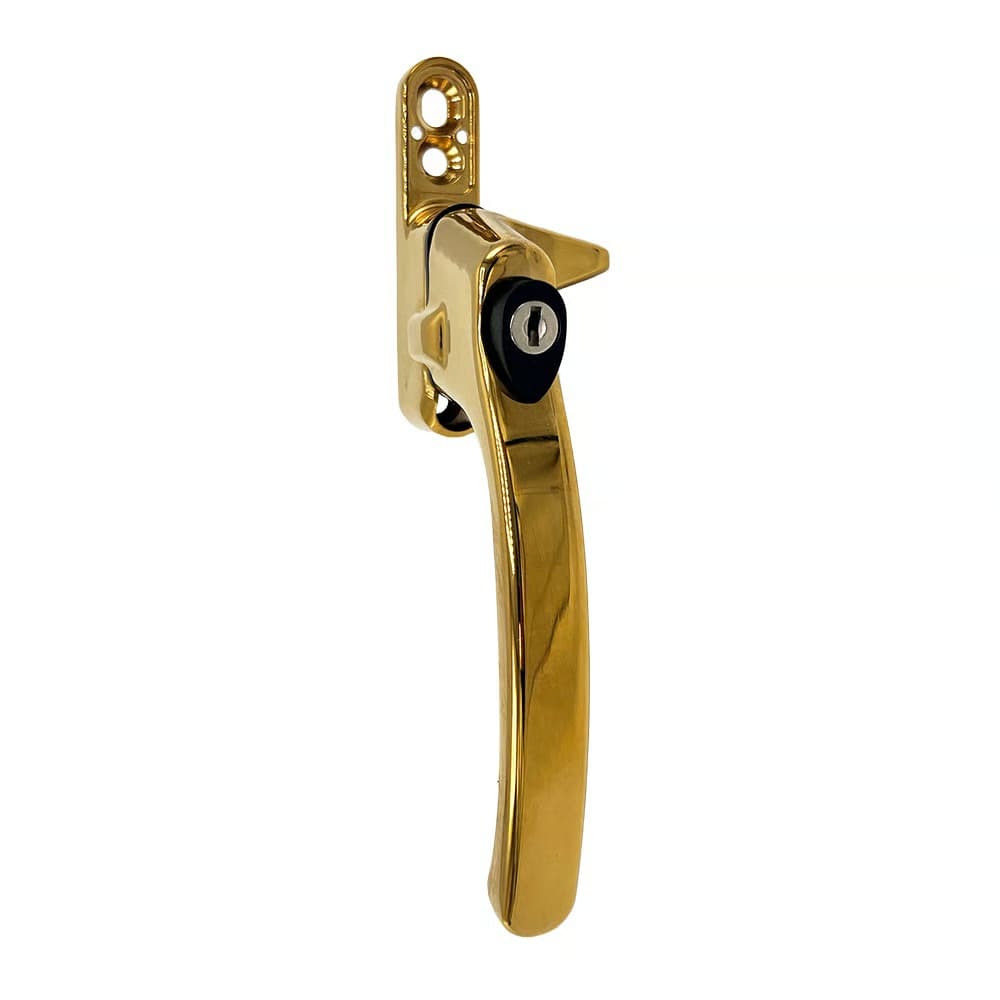
- For traditional casement locks, consider TSS cockspur window handles for a reliable, budget-friendly option: TSS Cockspur Window Handles.
- For inline handle requirements or where space is constrained, the ERA Universal Inline Window Handle fits many modern profiles and improves operation.
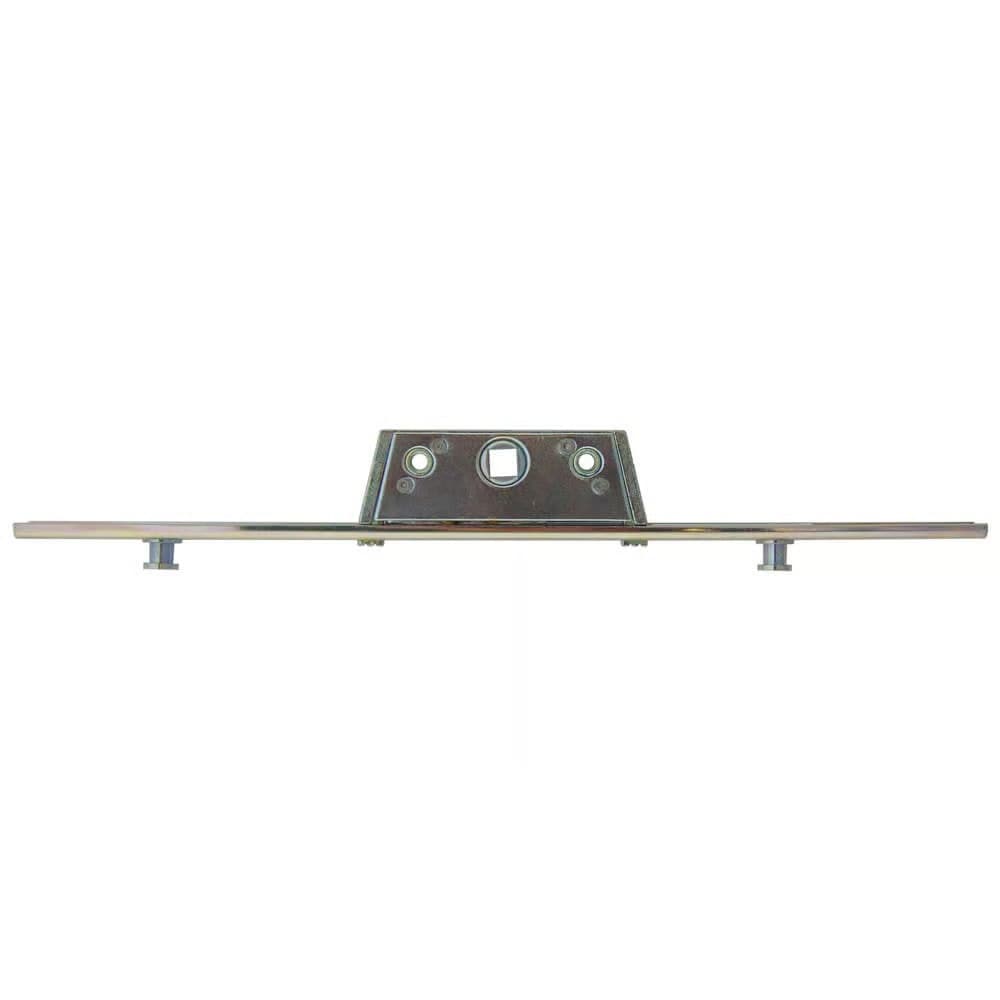
- For espagnolette replacement or upgrade, the Avocet Slimline Offset Window Espag is a slim, secure choice compatible with many PVCu systems.
Cost considerations
Bubble gaskets are widely available and typically economical. Wedge gaskets vary by material and profile complexity; custom or proprietary profiles attract higher costs. Factor in labour if using a tradesperson — a full domestic window reseal usually takes 1–2 hours per window for a competent fitter.
Conclusion
Choosing between a bubble gasket and a wedge gasket depends on the window type, gap consistency and desired performance. Bubble gaskets suit uneven gaps and offer superior acoustic and thermal comfort, while wedge gaskets provide a firm, weatherproof seal for consistent gaps. Measure carefully, test a sample where possible, and consider replacing worn handles or espags at the same time to ensure smooth operation and security. A properly selected and fitted seal will significantly improve comfort and reduce energy wastage around your windows.
Part of our guide:
Complete Guide to Bubble & Flipper Gaskets