
Upgrading Your Espagnolette for Better Home Security
Upgrading Your Espagnolette for Better Home Security is an effective way to improve window and door resistance to forced entry without replacing whole fram...
Upgrading Your Espagnolette for Better Home Security is an effective way to improve window and door resistance to forced entry without replacing whole frames. Whether you are a UK homeowner wanting to tighten security or a trade professional fitting new hardware, the espagnolette is a small component that makes a big difference when specified and installed correctly.
What an espagnolette does and where it fits
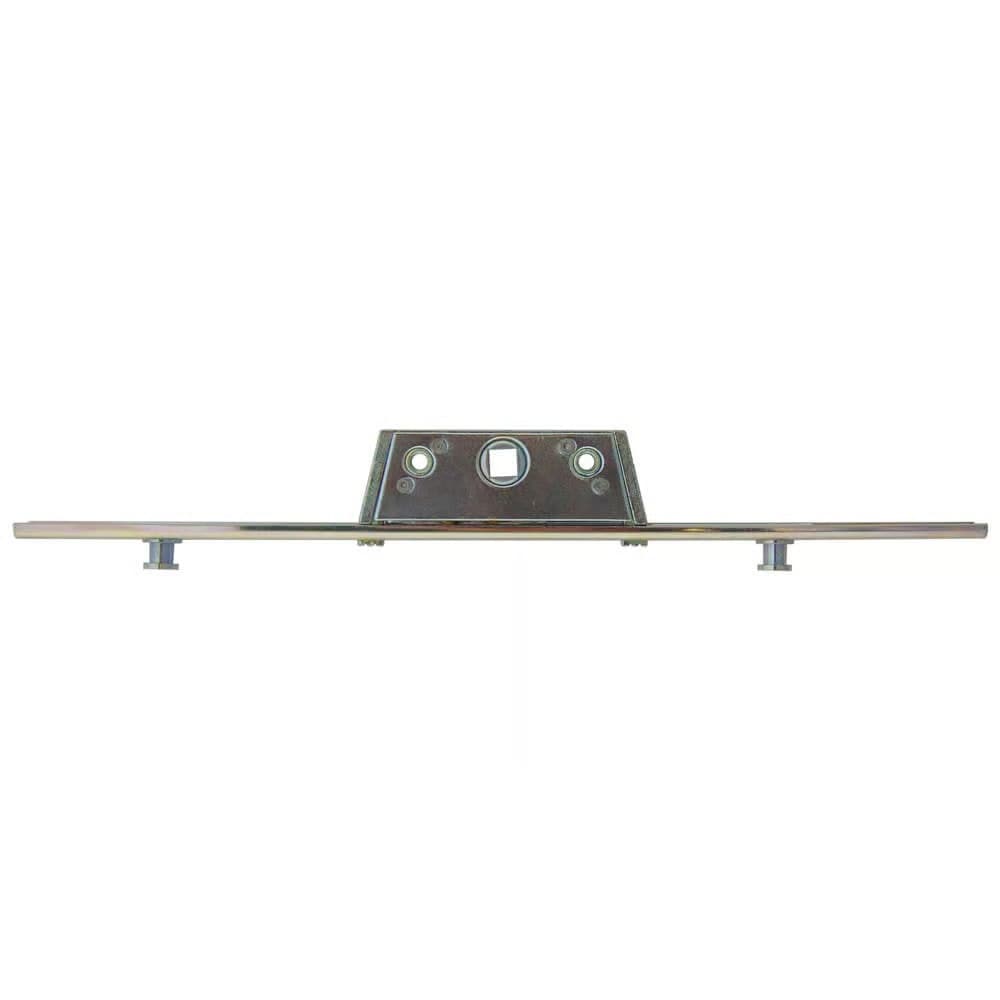
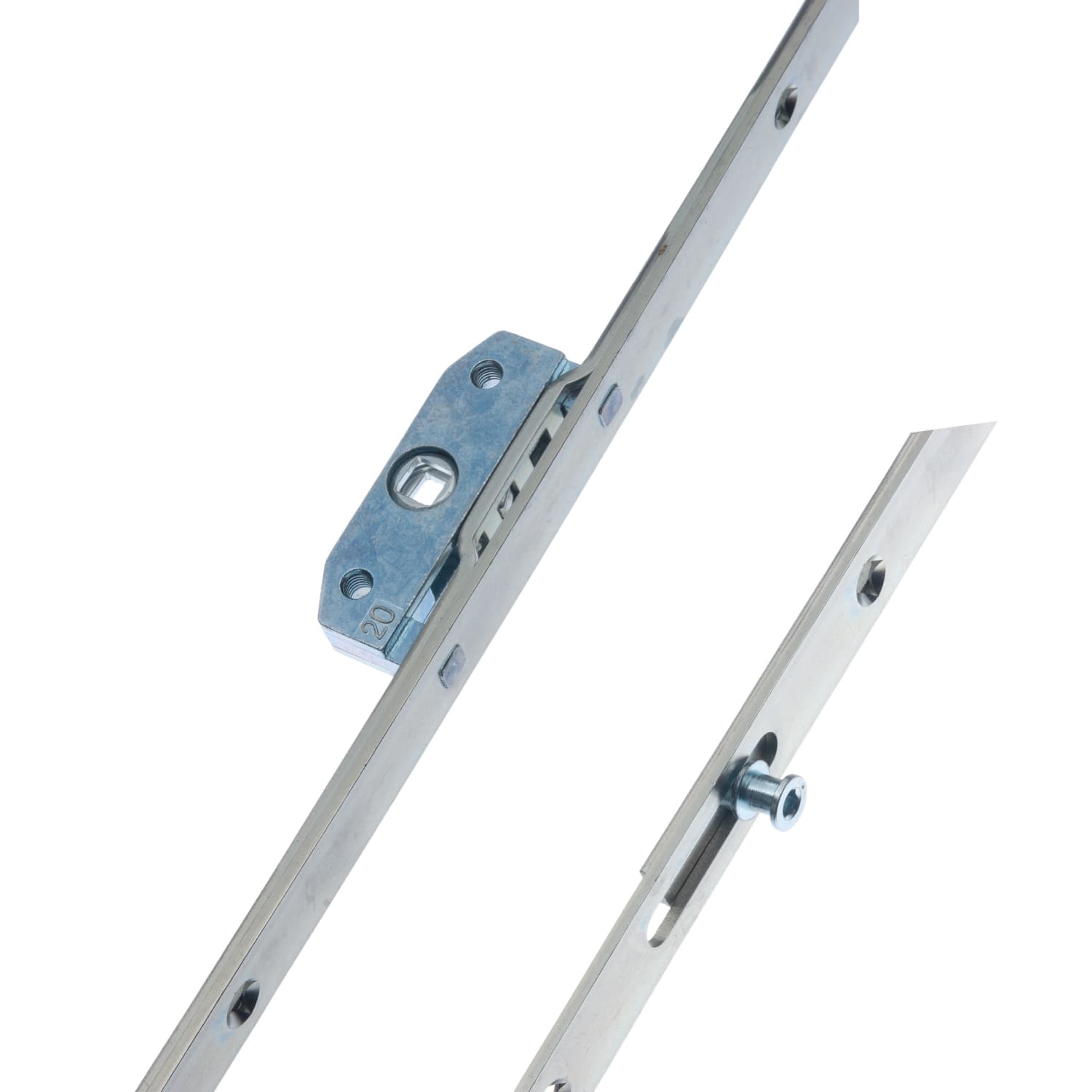
An espagnolette is the central locking mechanism used on many casement windows and some patio doors: a handle operates a rod or gearbox that drives shootbolts, rollers or cams into keeps around the frame. Properly functioning espagnolette gear provides equal pressure along the sash, improves weather-sealing, and resists lever attacks. Common materials are aluminium, stainless steel and zinc alloys; higher-security options use hardened steel components and deadlocking gear.
Signs you need an upgrade
- Handle feels loose; slop on the spindle or gearbox.
- Sash lifts or rattles when closed: indicates poor engagement or worn keeps.
- Single-point locking only: one latch in the centre leaves corners vulnerable.
- Corrosion or broken shootbolts and bent rods: common on coastal properties.
- Lock will not deadlock or the handle returns after operation: worn or missing deadlock cams.
Upgrade options: practical trade advice
Selecting the right upgrade depends on frame material and access for installation; tradespeople should confirm compatibility before ordering parts. Key options include:
- Multi-point espagnolette systems: add shootbolts or hooks at top and bottom to transform single-point locks into multi-point locking; ideal for uPVC and aluminium casements and composite doors.
- Hardened steel shootbolts and dog bolts: increase resistance to chiselling and lever attacks; specify stainless or plated finishes for corrosion resistance.
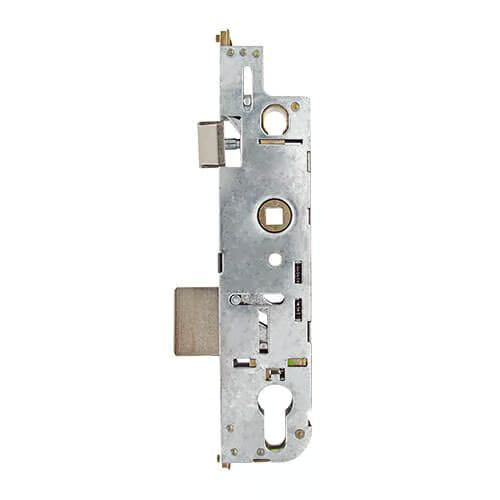
- Deadlocking gearboxes: prevent the handle being forced back when the central lock is engaged; choose gearboxes with anti-snap and anti-burst features for high-security installations.
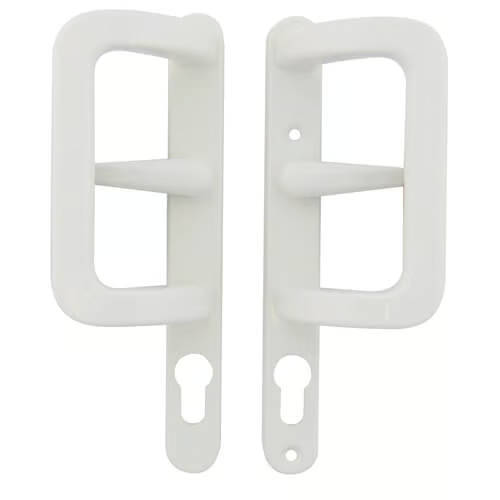
- Key-operated espagnolette handles: provide visible locked status and allow locking from the inside and outside where required for patio doors.
- Reinforced keeps and striker plates: replace stamped steel keeps with heavy gauge or welded keeps; countersink and pack out with brass or stainless steel keeps where required for alignment.
DIY guidance: measuring, removing and fitting
Competent DIYers can replace an espagnolette, but accurate measurement and gentle handling are essential. Typical tools required are a set of screwdrivers, Torx bits, a tape measure, a hacksaw or metal snips for cutting rods, and a spirit level. Follow these steps:
- Measure: note backset, overall length of the espagnolette case or rod centres, spindle length and handle type; photograph the setup for reference.
- Remove the handle: unlock and remove handle screws; withdraw handle and spindle carefully to avoid damaging the gearbox.
- Extract the espagnolette: remove faceplate screws and withdraw the gearbox or rod assembly; keep track of washers and packing shims.
- Prepare the new unit: cut rods to exact length; ensure shootbolt positions match existing keeps; fit end clips or brackets as required by the new unit.
- Fit and test: insert new espagnolette, secure faceplate and refit handle; operate multiple times to ensure smooth engagement; adjust keeps by re-siting or packing until shootbolts engage fully.
Always work with the sash supported; do not strain glass units. If the new espagnolette requires routing or notching the frame, consider a trade installer unless you have suitable routing experience.
Alignment and adjustment tips
- Adjustable keeps: fit keeps with multiple screw slots to fine-tune engagement; use packers to eliminate rattle rather than over-tightening screws.
- Check compression: the handle should operate smoothly and draw the sash into the frame for a weather-tight seal; too much tension can damage seals and make operation hard.
- Lubrication: use a light PTFE or silicone spray on moving parts; avoid heavy oils that attract dust and gum up gear.
- Security screws: use secure fixings on external keeps; use Threadlocker on screws where vibration may loosen them on sliding doors.
Common pitfalls to avoid
- Wrong spindle length: a spindle that is too short or too long will prevent secure connection to the gearbox and may allow the handle to be levered off.
- Mismatched keeps: shooting into thin or recessed keeps reduces holding force; replace keeps if they show elongation or deformation.
- Over-tightening faceplate screws: can distort the gearbox and bind moving parts; tighten to manufacturer torque settings where provided.
- Ignoring frame condition: rotten or compromised frames reduce the effectiveness of any lock upgrade; repair or reinforce frames before fitting high-security gear.
Trade-level considerations and compliance
For trade professionals specifying hardware for high-risk properties or new installations, consider certification and standards: PAS 24, Secured by Design or equivalent product test evidence enhances security credentials. For communal entrances or rented properties, check tenancy agreements and building regulations relating to means of escape and fire egress when specifying keyed or deadlocking handles. For aluminium systems, ensure espagnolette profiles and gearboxes match system requirements and that centre distances match factory multipoints where possible.
Maintenance to prolong security
Regular checks will maintain performance: operate locks quarterly, wipe and lubricate moving parts, replace any worn shootbolts or keeps immediately and check for signs of corrosion especially on coastal properties. Keep a record of hardware serial numbers and supplier invoices; this is useful for warranty claims and future maintenance planning.
Next steps and where to get parts
Start by assessing your existing espagnolette mechanism: note model numbers and measure rod and case dimensions. For detailed specifications and compatible replacement parts consult our dedicated resource at /guides/espagnolette-window-locks. If unsure about routing or frame modification, contact a qualified glazing or locksmith professional. For trade account holders we offer technical support and bulk pricing on hardened shootbolts, gearboxes and keyed handles.
Upgrading an espagnolette can significantly enhance security when components are specified correctly and installed by a competent fitter; take a measured approach, match parts to frame material, and maintain moving parts to preserve performance.
Recommended Products
Based on this article, you may find these products helpful:
Related articles
Window Gearbox Maintenance: Keeping Your Locks Working Smoothly
Window Gearbox Maintenance: Keeping Your Locks Working Smoothly A well maintained window gearbox keeps casement and tilt-and-turn windows operating smoothl...
Troubleshooting Shootbolt Problems: A Window Fitter's Guide
Troubleshooting Shootbolt Problems: A Window Fitter's Guide Shootbolts are a small but vital component in many modern window and patio door locking systems...
What Is a Shootbolt Lock? Complete Guide to Window Security
What Is a Shootbolt Lock? Complete Guide to Window Security What is a shootbolt? A shootbolt is a mechanical locking element commonly used in windows and d...