Are Replacement Window Handles Standard Sizes? What to Check First
Replacement window handles are a common maintenance item for homeowners and tradespeople, but they are not always a simple like-for-like swap. Understandin...
Replacement window handles are a common maintenance item for homeowners and tradespeople, but they are not always a simple like-for-like swap. Understanding common variations, measurements and fixing methods prevents buying the wrong part, saves time and protects security. This article explains what to check first and provides practical steps to identify and fit the correct replacement window handles for different window systems.
Are replacement window handles standard sizes?
There is no single universal size for replacement window handles. Several common standards exist, and many manufacturers use proprietary fittings. The two main types of handles encountered are espagnolette (espag) handles used on UPVC and aluminium casement windows, and cockspur handles commonly found on older timber and some aluminium windows. Each type has distinct fixing points and spindle sizes, so measuring key dimensions is essential before ordering a replacement.
Identify the handle type
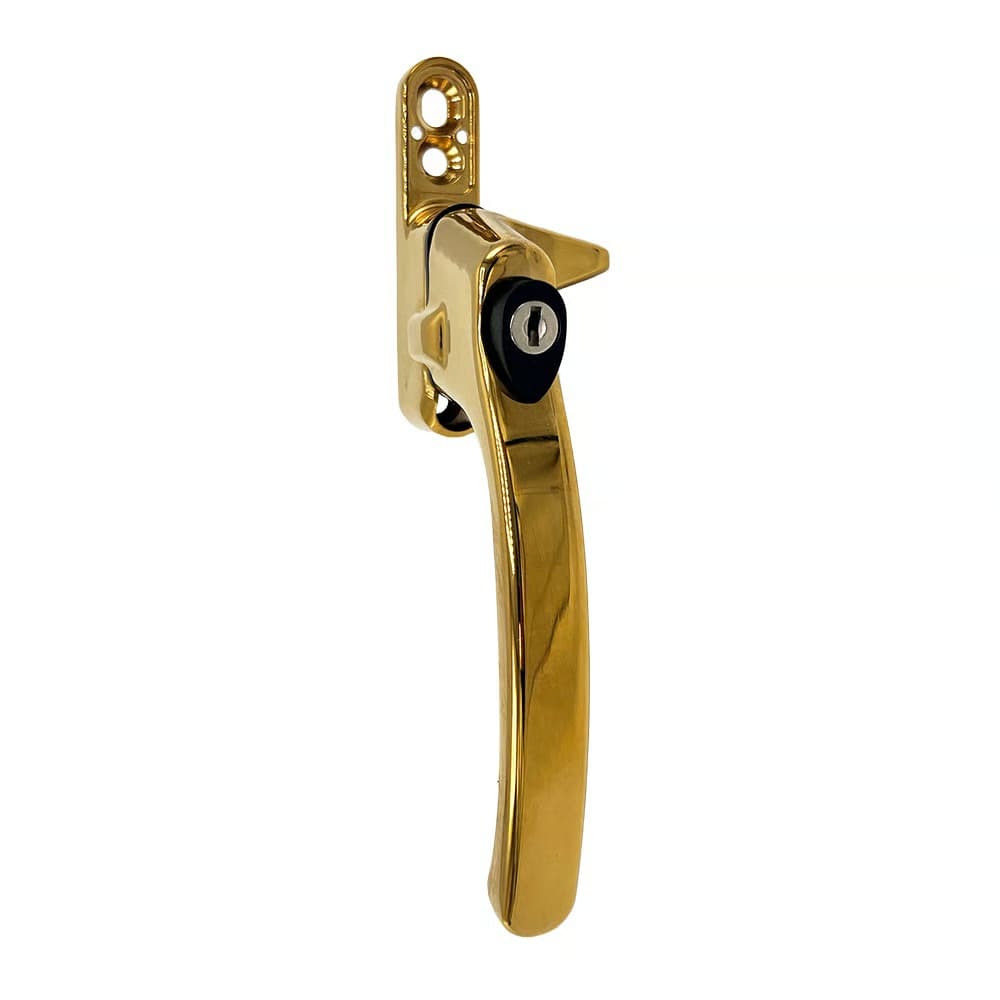
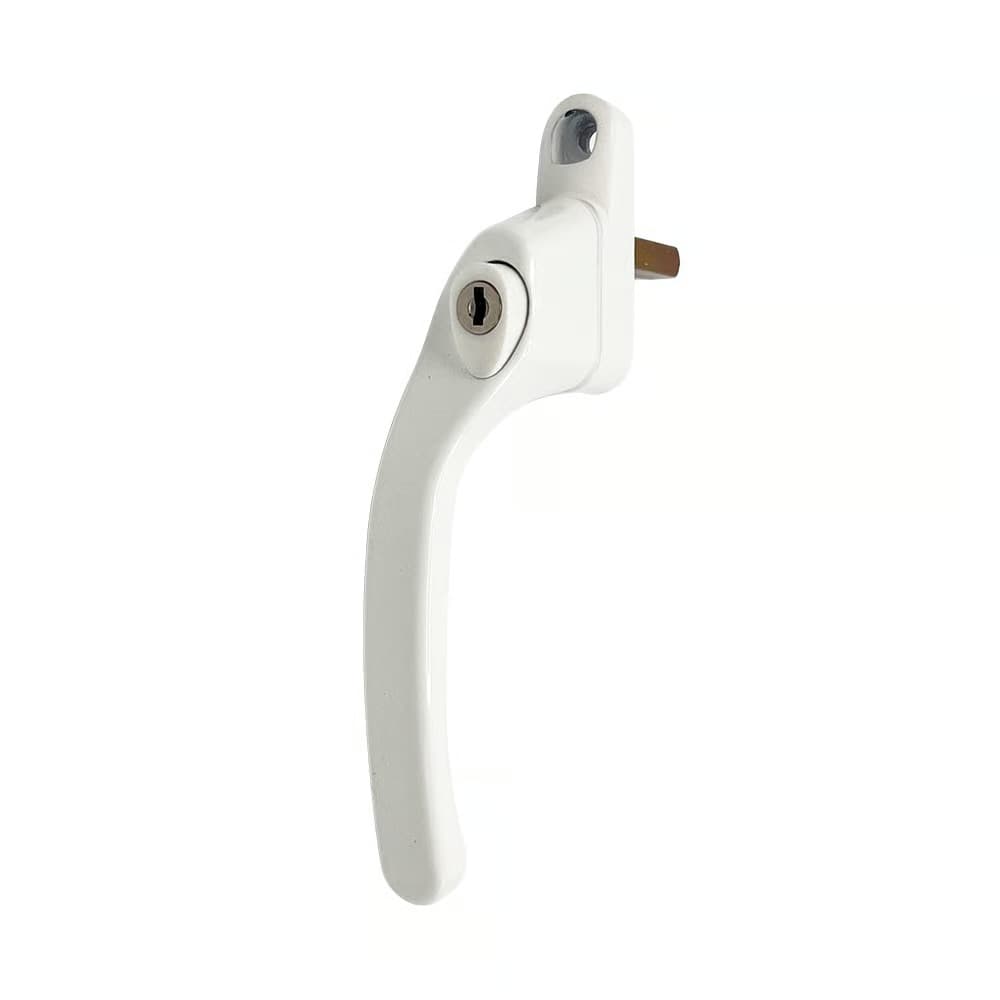
Begin by identifying whether the window uses an espagnolette system or a cockspur mechanism. Espag handles operate a multi-point locking espagnolette mechanism via a square spindle and are typically used with locking handles such as the TSS Cockspur Window Handles. Cockspur handles have a hooked section that engages with a keep on the window frame; a common modern example is the TSS Cockspur Window Handle. The third major group includes tilt-and-turn and centre-plate handles such as the TSS Offset UPVC Window Handles. Identifying the category narrows down available replacements and the measurements required.
Measure the three critical dimensions
Three measurements determine correct compatibility for most replacement window handles: spindle size, screw centres (fixing hole spacing), and handle projection/plate size.
- Spindle length: Remove the handle from the window and measure the length of the square spindle (from the inner face of the handle backplate to the end of the spindle). Common lengths are 35mm, 40mm and 45mm, but custom sizes exist. If the handle has a captive spindle, measure the exposed portion while the handle is removed.
- Spindle thickness: Confirm the spindle is a standard 7mm square or 8mm square. Many espag handles use 7mm but always measure with calipers or check the old handle’s specifications.
- Screw centres: Measure the distance between the two fixing screws that secure the handle to the window (centre-to-centre). Typical centres are 43mm or 47mm for espag handles, but alternatives are available. Accurate screw-cent measurement ensures the new handle lines up with existing holes and avoids unsightly drilling or fillers.
- Projection and backplate dimensions: Note the handle’s projection from the frame and the size of its backplate. Centre-plate handles used on tilt-and-turn windows have different plate shapes and may require an exact match to conceal cut-outs.
Check locking and security features
Replacement window handles vary in locking capability. Non-locking handles offer basic operation, while key-lockable handles or child-safe push-button locks provide improved security and compliance with building regulations for certain installations.
- For higher standards, choose handles rated to recognised tests such as TS007 3 star when specified by the door/window manufacturer or insurance provider.
- Ensure that the new handle’s locking cam or internal mechanism is compatible with the existing espagnolette gearbox. Some replacement handles are supplied with adjustable cams to fit several gearboxes; others are model-specific.
- For windows with multi-point locks, confirm the new handle rotates the same amount as the original (usually 90°) and mates with the locking spindle position.
Consider handedness and orientation
Handedness matters where handles have asymmetric backplates or where the lock cylinder position differs between left- and right-hand windows. Determine whether the window is left- or right-handed by standing inside the room and noting which side the hinges are on. Some replacement handles are reversible; many keyed models are not. Order the correct handed version to ensure the key sits on the correct side when locked.
Materials, finish and durability
Replacement handles come in a range of materials and finishes. Choose corrosion-resistant finishes for coastal properties and heavily used windows. Aluminium and zinc alloy handles with polyester powder-coating, or stainless steel options where available, provide longer service life. Select a finish that matches existing hardware for a neat appearance.
Practical steps for a successful replacement
1. Remove the old handle: Use the appropriate screwdriver to remove fixing screws, then gently pull the handle off the spindle. Inspect the spindle and gearbox for wear. 2. Measure accurately: As above, take spindle length and thickness, screw centres and backplate dimensions. 3. Order the correct part: Match handle type (espag, cockspur, centre-plate), handedness, spindle size and fixing centres. Use the product specifications to confirm compatibility. 4. Test fit without fully tightening: Install the new handle and check it operates the locking mechanism smoothly through its full travel. Adjust spindle length or cams if an adjustable handle is supplied. 5. Secure and seal: Once operation is confirmed, fully tighten fixings to the manufacturer’s torque recommendations. For external-facing joins, consider a small bead of neutral-cure silicone to prevent water ingress around screw holes.
Common pitfalls to avoid
- Assuming spindle size: A handle with the wrong spindle thickness will not engage the gearbox even if the screw centres match.
- Ignoring screw centres: Misaligned screw holes can split UPVC or timber if drilling is attempted to force a fit.
- Overlooking the gearbox condition: Replacing a handle when the espagnolette gearbox is worn may leave the window insecure; inspect and replace the gearbox if necessary.
- Using non-locking replacements where keys are required by lease or insurance—check documentation before fitting.
When to replace the mechanism, not just the handle
If the handle turns but the lock does not operate, the fault may lie in the espagnolette mechanism or gearbox rather than the handle. Signs of a failing mechanism include grinding noises, loose movement, or a handle that operates only intermittently. In such cases, replacing the gearbox and handle together ensures reliable operation and avoids repeating the job soon after.
Final checklist before ordering replacement window handles
- Identify handle type (espag, cockspur, centre-plate)
- Measure spindle length and thickness
- Measure fixing screw centres and backplate size
- Determine handedness and locking requirements
- Confirm finish and material suitability for the environment
- Inspect gearbox and locking hardware for wear