Are uPVC Window Handles Universal? What Fits and What Doesn’t
Homeowners and tradespeople replacing or upgrading fittings often assume that upvc window handles are universally interchangeable. Reality is more complex:...
Homeowners and tradespeople replacing or upgrading fittings often assume that upvc window handles are universally interchangeable. Reality is more complex: variations in locking mechanisms, spindle sizes, screw centres and handle types can prevent a straightforward swap. This guide explains what commonly fits, what doesn’t, and practical steps to identify the correct replacement handle, with clear advice for successful installation.
Common types of uPVC window handles
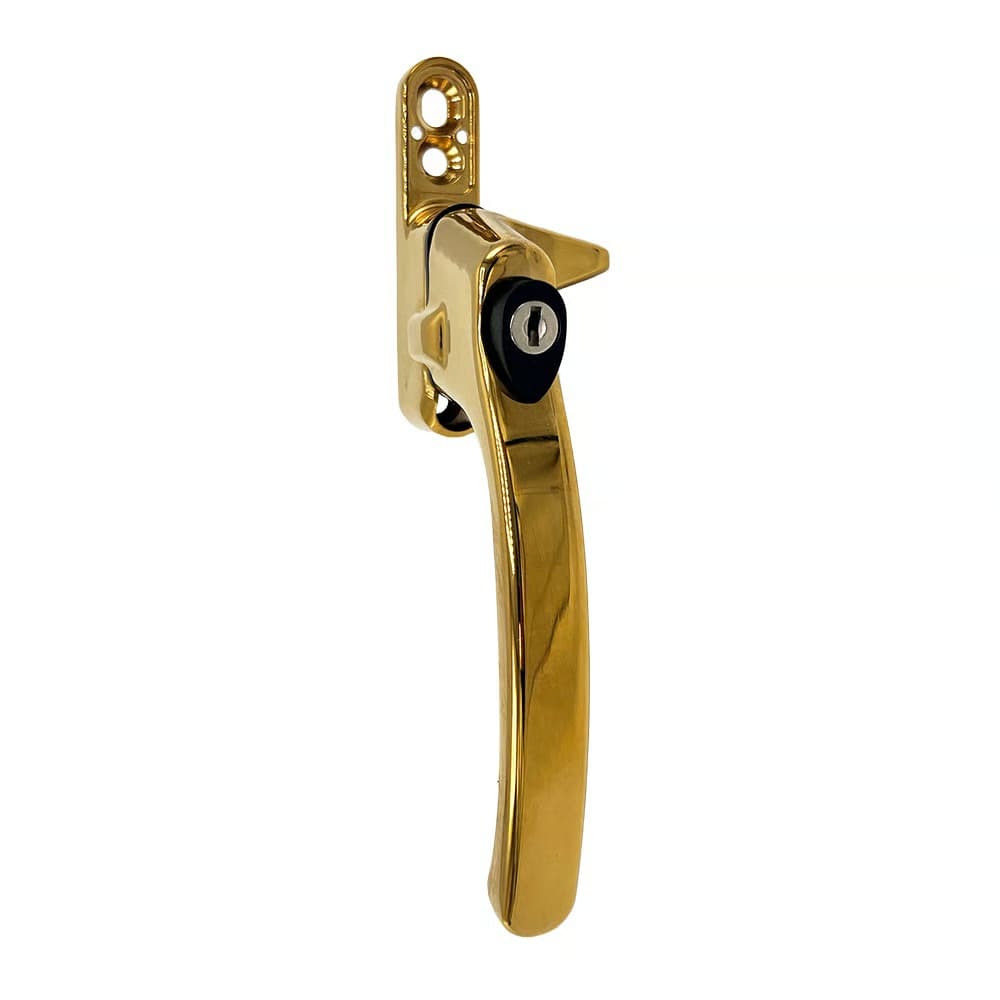
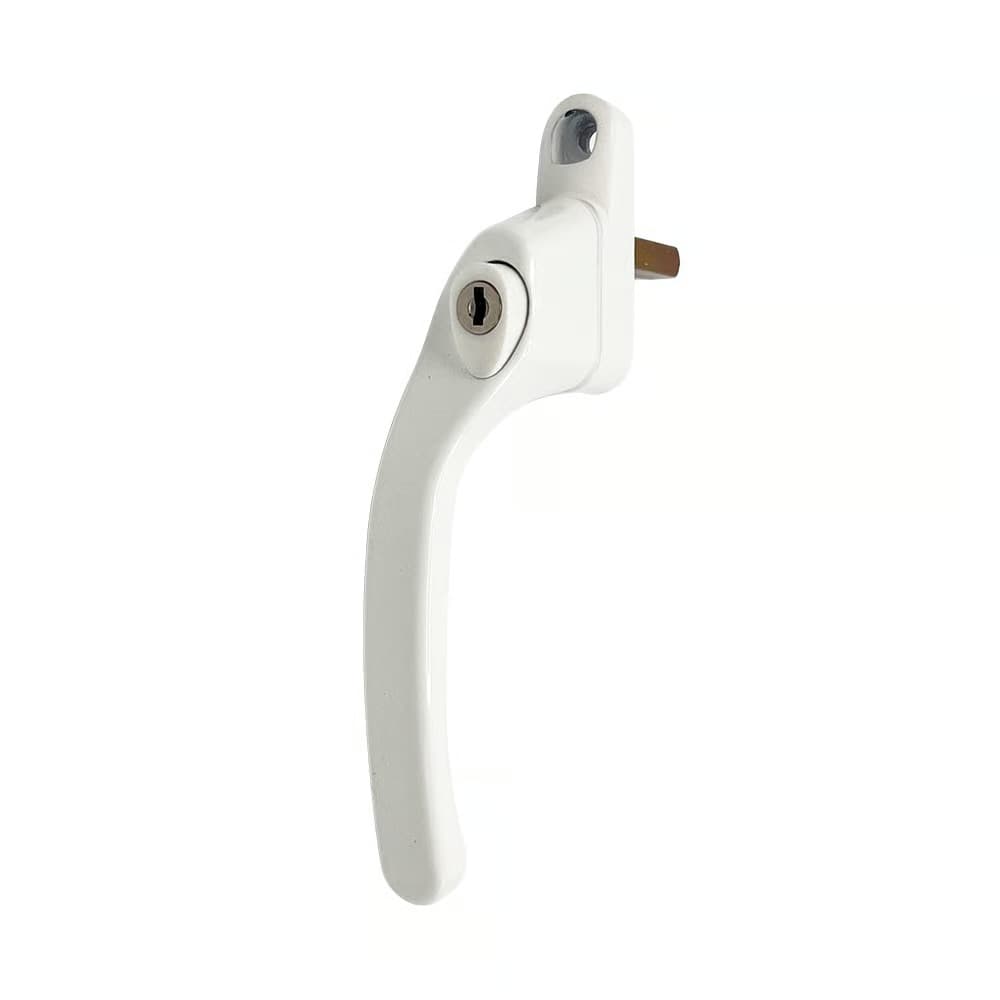
Understanding the main handle types simplifies selection. The most common are espagnolette (espag) handles, cockspur handles and tilt-and-turn handles.
- Espag handles connect to an espagnolette locking mechanism inside the frame via a square spindle. These are standard on many modern casement windows.
- Cockspur handles have a hooked arm that engages with the window frame; they are typical on older windows and some budget installations.
- Tilt-and-turn handles are designed for inward-opening systems and usually have a different spindle length and mounting pattern.
Why upvc window handles are not universal
Several technical differences prevent universal compatibility:
- Spindle size and length: Handles attach to the locking mechanism by a square spindle, typically 7mm or 8mm square. Spindle length varies and must match the frame thickness plus any adaptors. Using the wrong spindle length results in a loose or non-functional handle.
- Backset and screw centres: The fixing holes around the rose or backplate have specific centres (often 43mm or 90mm for some handles). Mismatched centres mean new handle holes will not align with existing holes.
- Lock type compatibility: Espag handles operate a gearbox or rod; cockspur handles hook onto a keep. A handle designed for one locking method cannot operate another without changing internal hardware.
- Handing and throw direction: Handles are handed left or right (or reversible), and some have specific throw directions for locking. Installing a handle with incorrect handing can prevent the window from locking.
- Security features: Keyed or child-safe handles include cylinders and different internal mechanics; replacing a non-keyed handle with a keyed one may require additional adjustments.
How to identify the correct replacement
Follow these practical steps to identify the right handle before purchasing:
1. Measure the spindle: Remove the handle and measure the square spindle width (7mm or 8mm are common) and the spindle projection from the face of the frame. Measure to the nearest millimetre. 2. Note the screw centres: Measure the distance between fixing screws (centre to centre). Common distances are 43mm for modern roses and 90mm for longer backplates. Record whether screws are countersunk or raised. 3. Check the locking mechanism: Look inside the edge of the window to see whether the handle operates an espagnolette rod or engages a cockspur. Photograph the internals for reference when ordering. 4. Determine handing: Close the window and note which side the handle is on and which way it closes; many replacement handles are reversible but check manufacturer notes. 5. Decide on security features: Determine if a keyed lock or child safety option is required. Matching keyed systems may need a cylinder coded to existing locks.
These measurements allow selection of a compatible handle and avoid unnecessary returns or modifications.
Practical installation advice
Tradespeople and confident DIYers can often fit a replacement handle with basic tools. Follow this approach for reliable results:
- Gather tools: Phillips/Pozi screwdriver, flat chisel (for stubborn covers), measuring tape, pencil, and a spirit level.
- Isolate and remove the old handle: Unscrew fixings, support the handle to avoid damaging the spindle, and remove any rose covers gently.
- Clean the surface and check the mechanism: Lubricate the gearbox lightly with a silicone-based spray if stiff. Inspect for wear or broken parts; sometimes the espagnolette rod or keeps need replacement too.
- Fit the new handle: Ensure the spindle fully locates into the gearbox. Tighten screws evenly, checking that the handle operates smoothly through the full throw without binding.
- Secure and test: If replacing with a keyed handle, check the cylinder aligns and the key operates through the lock. Check sash closure and sealing to confirm the handle’s travel is correct.
When replacement requires more than a handle swap
Some situations demand additional work:
- Mismatched screw centres: If a new handle’s screw centres do not match, drilling new holes and using appropriate plastic plugs or filler may be necessary. For listed buildings or conservations areas, avoid permanent alterations without approval.
- Broken espagnolette rods or gearbox: If the internal mechanism is damaged, swapping the handle alone will not restore operation. Replace the espagnolette mechanism or order a complete handle-and-gear kit.
- Security upgrades: Upgrading to a high-security handle may require new keeps and reinforcement plates to achieve the desired security rating.
Best practice for purchasing replacements
- Match key measurements (spindle size and projection, screw centres) rather than relying on visual similarity.
- Prefer handles from reputable manufacturers with spare parts availability to ensure future servicing.
- Keep original parts until the new handle has been fully tested, enabling reversion if any issue arises.
- For multi-window projects, record measurements for each unit—windows in the same property may still have differing hardware due to phased installations.
Summary
upvc window handles are not universally interchangeable due to differences in spindle size, screw centres, locking type and security features. Practical identification—measuring spindle width, screw centres and checking the locking mechanism—ensures a successful replacement. Tradespeople and confident homeowners can perform most installations with basic tools, but damaged internal mechanisms or non-matching fixings may require additional parts or specialist assistance.
Further technical detail and part selection guidance are available in the comprehensive Window Handles Guide.