Best Egress Hinges for UK Building Regulations
Best Egress Hinges for UK Building Regulations Selecting the right egress hinge can be decisive when a window must double as a means of escape and still me...
Best Egress Hinges for UK Building Regulations
Selecting the right egress hinge can be decisive when a window must double as a means of escape and still meet security and weathering requirements. This article explains what an egress hinge is, how UK building regulations affect hinge choice, and practical advice for both trade installers and competent DIYers.
What is an egress hinge and why it matters
An egress hinge is a hinge designed to allow a window or door to open wide and remain stable so that occupants can exit easily in an emergency. For windows designated as a means of escape, the hinge must permit a clear, unobstructed opening and be robust enough to carry the sash repeatedly without sagging. Choosing the correct hinge affects compliance, safety, security and long-term performance.
Relevant UK regulations and standards
When a window is intended for escape, you must consider Building Regulations and British Standards. Key points are:
- Approved Document B (fire safety): windows used as emergency escape should provide an unobstructed opening of at least 0.33m² and have minimum dimensions of 450mm high and 450mm wide; sill height should be no greater than 1100mm above floor level where practicable.
- BS 6375 (performance of windows and doors): covers operation, durability and weather tightness; hinges must not cause premature failure of the opening mechanism.
- UKCA/CE marking: hardware supplied for new installations may require appropriate conformity marking and technical data from the manufacturer.
- PAS 24/secure by design considerations: egress fittings should not compromise security; consider compatible multi-point locks and restrictors with emergency release where required.
Types of egress hinges and where to use them
There are several hinge types suited to egress applications. Select the type to suit window style, frame material and required opening angle:
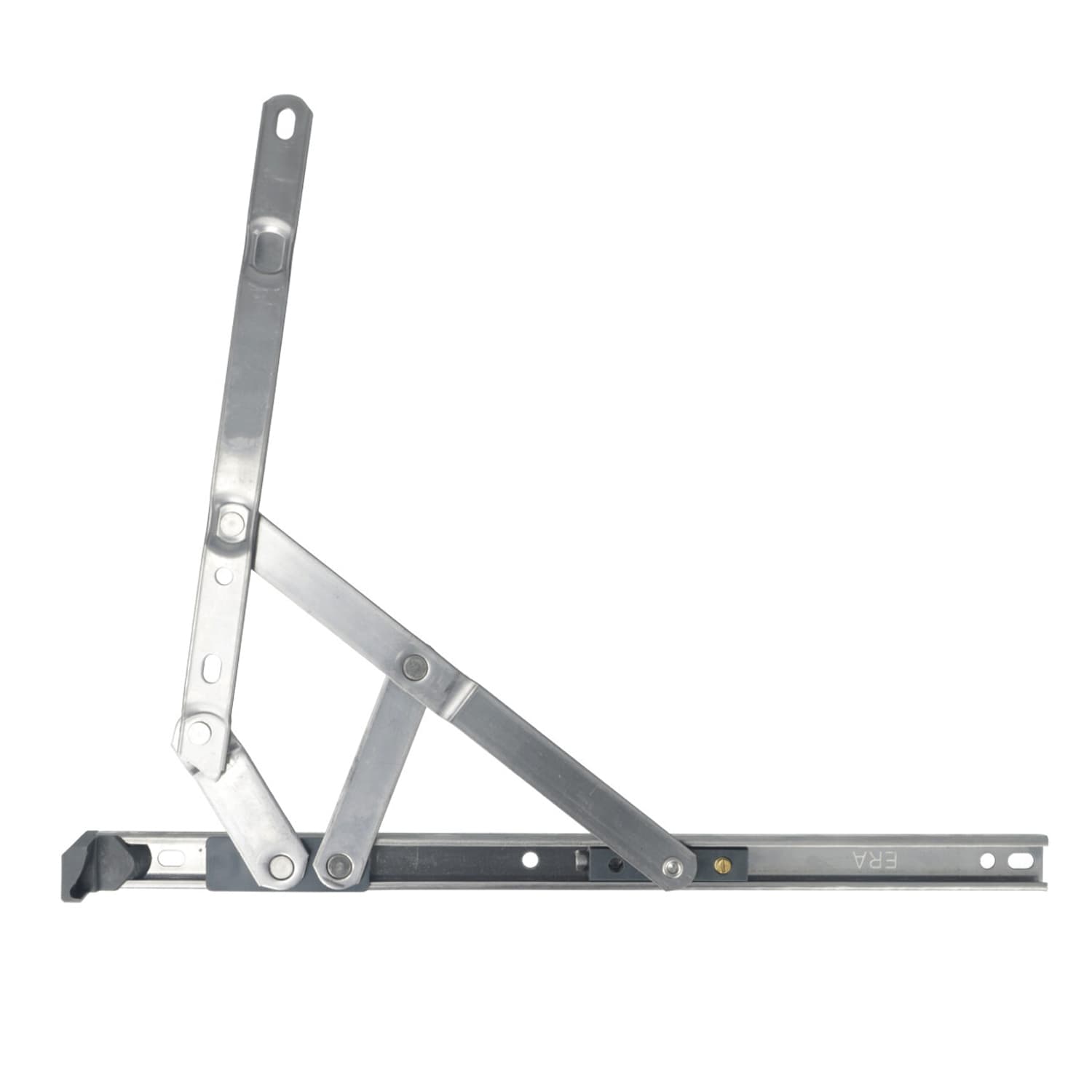
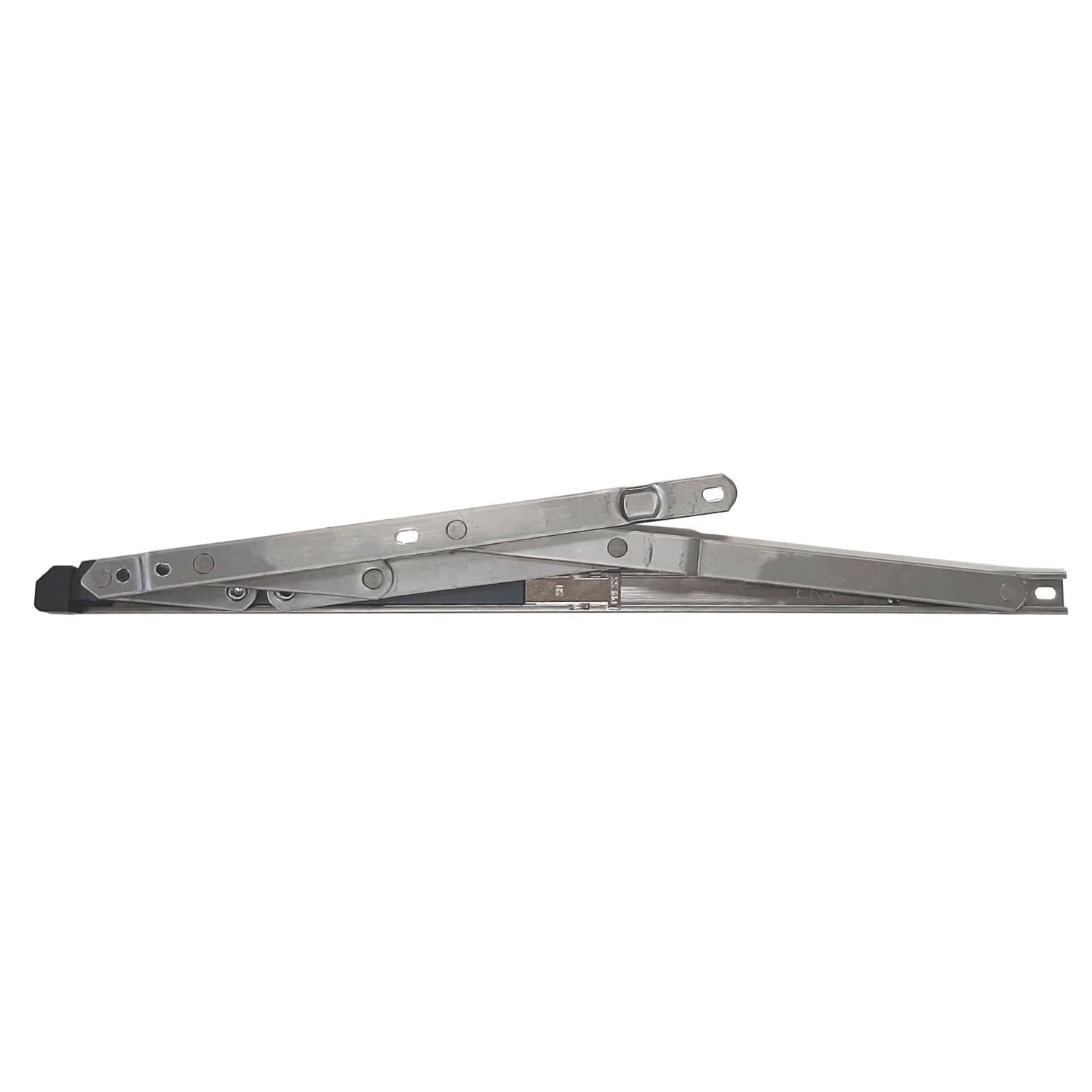
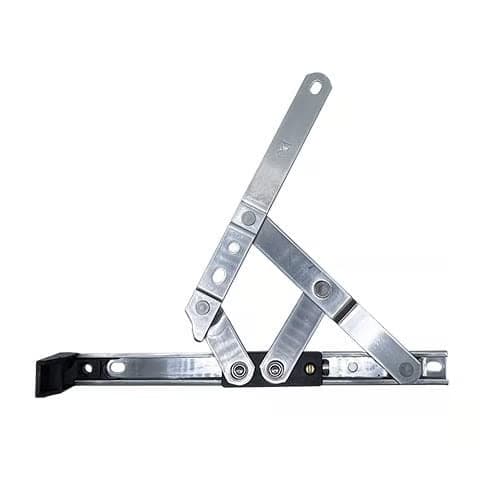
- Friction/egress stays: common on casement windows; they allow the sash to remain open at any angle and some designs have quick-release features to enable full unobstructed opening in an emergency.
- Butt hinges with wider throw: robust and simple; used where full 180 degree opening is required, for example on outward-opening escape windows or secondary doors.
- Pintle and flag hinges: used where a removable sash is desirable for complete clearance; useful for shopfront or larger escape openings where speedy removal may be necessary.
- Lift-off hinges: allow windows or panels to be removed easily; good for maintenance or escape routes where a permanent full opening is not otherwise possible.
Choosing the right egress hinge: trade considerations
For tradespeople specifying hardware for compliance and longevity, consider these technical factors:
- Load rating and sash weight: ensure the hinge is rated above the maximum sash weight; heavier sashes often require reinforced hinges or additional fixings.
- Material and corrosion resistance: stainless steel 304 is suitable for most internal and urban applications; for coastal locations upgrade to 316 grade or apply suitable corrosion protection.
- Adjustment capability: use hinges that allow vertical, lateral and compression adjustment to align sashes and maintain seals without frame distortion.
- Security compatibility: choose hinges that work with the specified locking system; some egress stays include security features or tie in with multi-point locking systems.
- Certification and test data: request performance data from the manufacturer for durability cycles, weather tests and any escape-specific approvals.
Installation: professional tips and DIY guidance
Correct installation is essential for safety and compliance. Below are practical steps and tips for installers and experienced DIYers. If you are uncertain about compliance implications, consult building control or a qualified installer.
- Plan the opening: confirm the window will meet the minimum clear opening requirement of 0.33m² and the minimum dimensions; measure both sash size and the unobstructed clear opening once fitted.
- Follow manufacturer instructions for fixing: use the correct screw types and lengths so fixings penetrate the frame reinforcement or substrate; countersink and seal where necessary to maintain weather-tightness.
- Position hinges to distribute load: fit the bottom hinge to carry the weight, the top hinge to stabilise, and an intermediate hinge if the sash is tall or heavy; ensure hinge centres align precisely.
- Provide release where needed: for restrictors or child-safety devices that could impede escape, fit quick-release egress restrictors or use hinges with integral emergency override.
- Check frame reinforcement: PVC-U and timber frames may need reinforcement or additional backplates to accept heavy egress hardware; metal frames typically require suitable welding or bolting arrangements.
- Test opening and movement: open the sash through its full range several times; check for binding, rubbing or loss of seal; test the emergency release and ensure the sash remains stable at full open position.
Maintenance and testing
Regular checks will keep egress hinges operable when needed. Recommended routine maintenance:
- Visual inspection every six months: check for corrosion, loose fixings and wear; tighten fixings to manufacturers' torque recommendations.
- Lubrication: apply a light lubricant to moving parts annually; use silicone-based sprays for weathered external use to avoid attracting dirt.
- Functional test: operate the window from closed to fully open and test any quick-release mechanism at least annually; record tests for commercial or rental properties.
- Replace worn components immediately: a worn hinge can alter clear opening dimensions and compromise escape routes.
Practical examples and when to call a specialist
For straightforward domestic casements an egress friction stay with quick-release is often sufficient and can be a DIY fit for an experienced homeowner. For larger or heavier sashes, timber sash windows, steel frames or installations where fire safety is complex, engage a trade professional. If an installation affects a designated means of escape for a building, inform building control and retain test data from the hinge manufacturer.
Recommended Products
Based on this article, you may find these products helpful:
- Top Hung Friction Stay - 12"
- ERA Egress (Fire escape) Friction Stay
- TSS Standard Friction Stays – 13mm & 17mm Stack Height
- Restricted Friction Stay Hinges
- Top-Hung Window Hinge - Standard
Conclusion and next steps
Choosing the right egress hinge means balancing safety, security and durability while meeting the Building Regulations for escape openings. For trade applications prioritise load ratings, corrosion resistance and adjustment capability; for DIY projects ensure you can meet the minimum clear opening and follow manufacturer fitting instructions. Next steps:
- Measure the intended escape opening to confirm the 0.33m² and minimum dimension requirements.
- Consult manufacturers' technical data for hinge load ratings and corrosion class; obtain UKCA/CE information where relevant.
- If in doubt about compliance or structural requirements, contact building control or a reputable installer; see our detailed resources on window hinges at /guides/window-hinges.