
Best Letterbox Draught Excluders for Rental Properties
Best Letterbox Draught Excluders for Rental Properties Letterboxes are a common source of draughts, noise and water ingress in rental properties. Choosing ...
Best Letterbox Draught Excluders for Rental Properties
Letterboxes are a common source of draughts, noise and water ingress in rental properties. Choosing the correct letterbox draught excluder can improve tenant comfort and reduce heat loss while remaining practical for property managers and tradespeople. This article covers the most effective types, installation tips, maintenance advice and compliance considerations for both homeowners and trade professionals working in the UK market.
Why letterbox draught excluders matter in rental properties
Letterboxes sit in the thermal envelope of a door and can allow cold air, dust, noise and even rain to pass through. For rented homes, reducing these losses supports tenant satisfaction and can lower energy costs. From a trade perspective, selecting durable, serviceable solutions reduces call-outs and long term maintenance. Installation should balance performance with reversibility and compliance where relevant.
Types of letterbox draught excluders
- Brush strip letterplates: Conventional metal or plastic letterplates with integral pile or brush seals. These provide good draught and noise reduction while still allowing mail to pass.
- Sock or sleeve excluders: Fabric-lined socks that push up from inside the letter flap to seal the gap. Cheap and easy to fit; ideal for short-term solutions or tenanted properties where non-permanent fixes are preferred.
- External covers with gasket: Aluminium or plastic external letterbox covers with a rubber gasket that compresses against the flap. These are robust and weather-resistant for exposed external doors.
- Magnetic or foam seals: Adhesive-backed foam strips or magnetic seals for metal doors. Best used where minimal intervention is required and surface is compatible with adhesive.
- Integrated letterplate draught-proofers: Purpose-made letterplates that combine a draught seal and a secure flap; often available in trade packs for quick replacement during maintenance visits.
Choosing the right product for rental properties
Decisions should consider the type of door, expected wear, and whether the fix needs to be reversible. Key points to check:
- Door material: timber, uPVC and metal react differently to fixings and adhesives. Use stainless steel screws for exposed external applications to avoid corrosion; use manufacturer-approved adhesives on uPVC to avoid plasticiser damage.
- Weather exposure: external covers with a gasket are best for exposed doors; internal brush plates are a good option for internal doors.
- Security and fire safety: do not fit draught seals to fire doors unless the product is explicitly fire-rated; some communal entrance doors for flats are required to have specific hardware and tampering can breach regulations.
- Reversibility: for short tenancies, consider non-damaging options such as adhesive-backed strips, sock excluders, or externally fitted covers fixed with removable sealant or screws agreed with the landlord.
- Size compatibility: measure the existing letterplate aperture. Common UK widths vary roughly between 200mm and 260mm and heights between 45mm and 75mm; always measure rather than assume sizes.
Practical installation and DIY guidance
Tradespeople and confident DIYers can fit many solutions quickly. Below are general steps and trade tips for common installations.
- Brush letterplate replacement: Remove the existing letterplate screws, take off the plate and measure the aperture. Cut replacement plate to size if required. Fit the new plate using stainless steel or coated screws; countersink and seal screw heads with a small bead of exterior silicone on external doors to prevent water ingress. Ensure brush pile brushes the inside edge of the flap for an effective seal.
- External cover fitting: Locate the new cover centrally over the existing aperture. Mark and pre-drill pilot holes for masonry or timber; use appropriate plugs for brick or concrete. Apply a continuous bead of exterior-grade mastic between the cover and the door face before final fixing to prevent water tracking.
- Sock excluder installation: Push the sock into the letterbox so it sits behind the flap and blocks draughts; adhesive Velcro can help retain it. These are ideal where minimal fixing is necessary.
- Adhesive foam strips: Clean the mounting surface with isopropyl alcohol. Measure, trim and press firmly. Leave adhesive to cure for the period recommended by the manufacturer before closing the flap repeatedly.
- Cutting and trimming: Use a hacksaw or aviation snips for aluminium trims; file any burrs and touch up exposed metal with paint to prevent corrosion. Use heavy-duty scissors or a utility knife for fabric socks.
Maintenance and compliance considerations
Regular inspection will keep letterbox excluders functioning and extend their life. Check annually for worn brushes, degraded foam, loose screws and split seals. Replace brush strips when pile density diminishes or when noise and draughts return.
Pay attention to fire safety: many flat entrance doors, communal doors and fire doors require specific hardware and certificates. Do not retrofit permanent seals or alter the structure of a certified fire door without consulting the manufacturer or a responsible person. Where a rented property forms part of a larger block, check with the managing agent before making any external alterations.
Trade tips for landlords and contractors
- Stock commonly used sizes and both screw-fixed and adhesive types for fast turnaround during repairs.
- Keep stainless screws and a small selection of plugs and mastic in your van for external cover installations.
- Document any changes to communal or fire safety doors and retain product data sheets for compliance records.
- Offer tenants reversible options like socks or adhesive pile seals for short-term tenancies; record landlord approval for any permanent fittings in the tenancy file.
Recommended Products
Based on this article, you may find these products helpful:
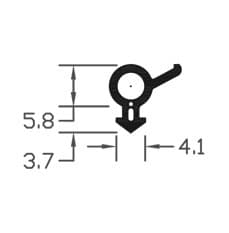
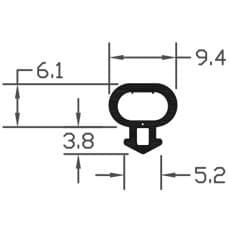
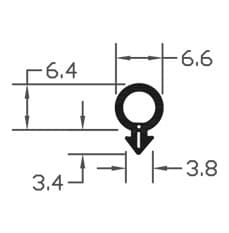
- E-Type Gasket - Black 5m Roll
- E-Type Gasket - Black (Per Metre)
- B003 Bubble Gasket
- B004 Bubble Gasket
- B007 Bubble Gasket
Conclusion and next steps
Selecting the right letterbox draught excluder improves tenant comfort, reduces heat loss and minimises maintenance calls. For rental properties prioritise durable, serviceable solutions for external doors and reversible, low-impact options where tenancy terms demand. If you manage multiple properties, standardise on a couple of reliable products to simplify stocking and repairs. Next steps: measure a sample door aperture, choose a trade-grade brush plate or external gasketed cover suited to the door material, and plan a maintenance check schedule after installation.
Products mentioned in this article
Related articles
Internal vs External Letterbox Draught Excluders: Which Works Better?
Internal vs External Letterbox Draught Excluders: Which Works Better? A letterbox is a small opening that can let in a disproportionate amount of cold air,...
How to Retrofit an Anti Arson Letterbox to an Existing Door
How to Retrofit an Anti Arson Letterbox to an Existing Door What is an anti arson letterbox and why retrofit one? An anti arson letterbox is a specialist l...
Letterbox Draught Excluder for Security: Added Protection
Letterbox Draught Excluder for Security: Added Protection A well-chosen letterbox draught excluder reduces heat loss and noise while contributing to a stro...