Black Window Handles for uPVC: How to Measure for Compatibility
Choosing black window handles for uPVC frames combines style with functionality, but compatibility hinges on accurate measurements and understanding common...
Choosing black window handles for uPVC frames combines style with functionality, but compatibility hinges on accurate measurements and understanding common hardware types. This guide explains the essential measurements, tools, and checks that homeowners and tradespeople need to ensure a smooth replacement or upgrade to window handles black finish.
Identify the handle type
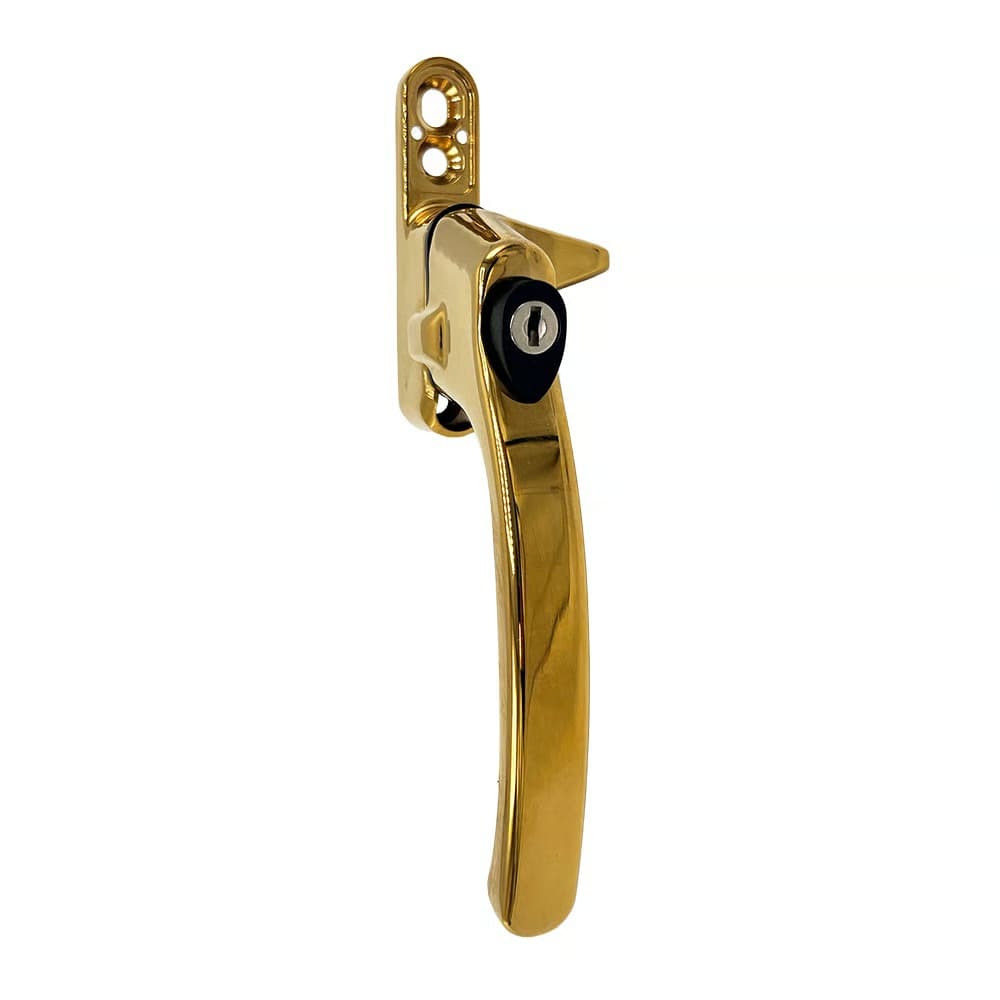
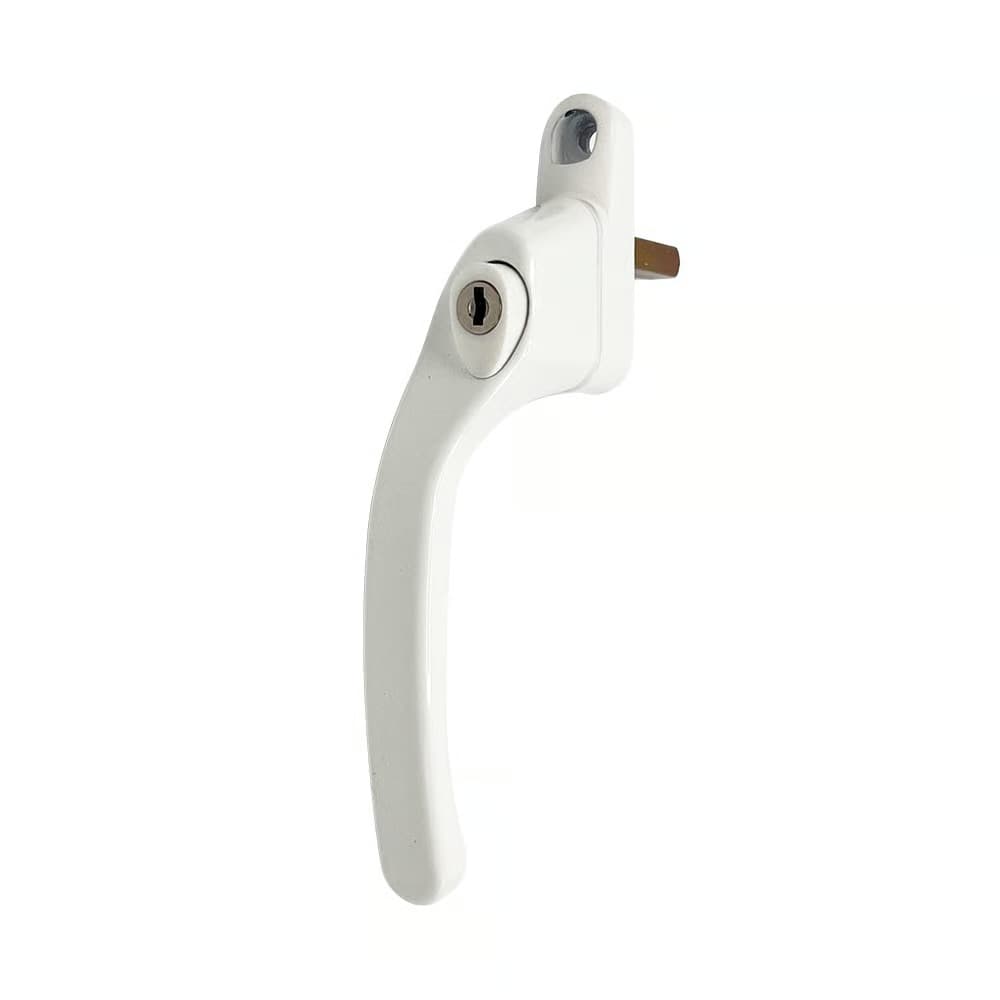
Different window handle mechanisms require different measurements. The most common for uPVC windows are espagnolette (espag) handles, cockspur handles and sash handles. Espag handles operate a spindle that turns a gearbox inside the window and typically use screw centres to attach the handle. Cockspur handles hook over the frame and are fixed with two screws on the face. Identifying the type before measuring prevents mismatches and wasted parts.
- Espag/espagnolette: internal gearbox, spindle through handle, screw-centre fixing.
- Cockspur: surface-mounted, screws into the face of the frame, hook over the bead.
- Sash/hung: used on vertically sliding windows, less common in modern uPVC.
Tools and preparation
Gather these basic tools before starting: a steel ruler or digital calliper, tape measure, pencil, masking tape, screwdriver and a camera or smartphone to photograph the existing handle and lock case. Work on a dry day or indoors to avoid condensation affecting measurements. Wear suitable protective gloves when removing any existing hardware.
Measure the screw centres (espag handles)
Screw centres are the distance between the two fixing screws that secure the handle to the window. This is the single most important dimension for espag handles.
- Remove the handle if possible, or measure through the existing handle’s backplate.
- Measure centre-to-centre between the screw holes in millimetres. Common sizes for uPVC espag handles are 43 mm, 92 mm and 210 mm, but always check the exact dimension rather than assuming.
- Record the measurement precisely; a difference of a few millimetres can make a handle unusable.
Measure the spindle and projection
The spindle is the square bar that passes through the window frame into the gearbox.
- Measure the spindle length protruding from the handle side of the frame to the nearest millimetre.
- Measure the spindle width (common sizes are 7 mm and 8 mm). Use callipers for accuracy.
- Note whether the spindle is adjustable or fixed; some handles come with a split or adjustable spindle to suit different frame thicknesses.
Check the backset and handle projection
Backset is the distance from the front face of the handle backplate to the centre of the spindle or keyhole.
- Measure from the outer edge of the backplate to the spindle centre.
- Handle projection (how far the handle sticks out) affects clearance with adjacent frames, reveal or window furniture.
Faceplate and frame thickness
Some uPVC frames have thicker outer lips or reinforcing that affect the fit of backplate-style handles.
- Measure the thickness of the frame where the handle mounts.
- Check whether the new handle requires a recessed installation or can sit on the surface.
- Note any weather seals or gasketing that could prevent flush mounting.
Handing and locking mechanism
Handle handing (which way the handle points when closed) matters for operation and aesthetics.
- Observe whether the handle points up, down, left or right when in the locked or closed position.
- For lockable handles, measure the cylinder length and distance from the cylinder centre to the edge of the handle. Some cylinders are 37/37 mm or 30/10 mm etc.; match these to avoid a cylinder protruding outside the frame.
Compatibility with espag gear length
When replacing an espag handle that operates a gearbox, verify the espag strip length and gearbox position.
- Measure the distance from the top of the vent to the gearbox or end of the espag strip.
- Check the number and type of locking points on the strip; replacements should match to maintain the existing locking performance.
Practical tips for a successful installation
- Photograph the existing setup before removing the old handle. Photos are invaluable for reference when selecting a replacement.
- Take all measurements in millimetres and note them clearly. Recordings should include screw centres, spindle length and width, cylinder measurements and backplate dimensions.
- Bring the old handle to the trade counter when buying replacements if buying in person. A direct comparison avoids guesswork.
- Use a new set of stainless steel screws supplied with the replacement handle to prevent galvanic corrosion with the uPVC frame.
- Consider upgrading to a lockable black handle for improved security, especially on ground-floor windows or easily accessible openings.
When to call a professional
Simple swaps can usually be completed by a competent DIYer or tradesperson, but call a professional if the espag strip is damaged, multipoint locking requires realignment, or the frame needs modifications. A professional will ensure the locking system functions correctly and that seals and gaskets remain intact.
Accurate measurements are the foundation for choosing the right window handles black finish. Careful identification of handle type, precise measurement of screw centres and spindle dimensions, and attention to backset and cylinder details will ensure a secure, functional and attractive replacement.