Black Window Handles: Maintenance and Cleaning Tips
Black window handles are a stylish and increasingly popular choice for modern homes, but their finish and materials require specific care to keep them look...
Black window handles are a stylish and increasingly popular choice for modern homes, but their finish and materials require specific care to keep them looking and functioning well. This guide covers practical maintenance and cleaning tips for homeowners and tradespeople, helping preserve aesthetics, prevent corrosion and ensure smooth operation over many years.
Understanding finishes and materials
Black handles come in a variety of finishes and base materials: powder-coated aluminium, painted steel, anodised aluminium, and plated or painted zinc alloys. Each finish behaves differently when exposed to weather, fingerprints and cleaning chemicals. Powder-coated and anodised finishes are generally more durable and resist chipping and fading. Painted and plated finishes can be more vulnerable to solvents and abrasive cleaners.
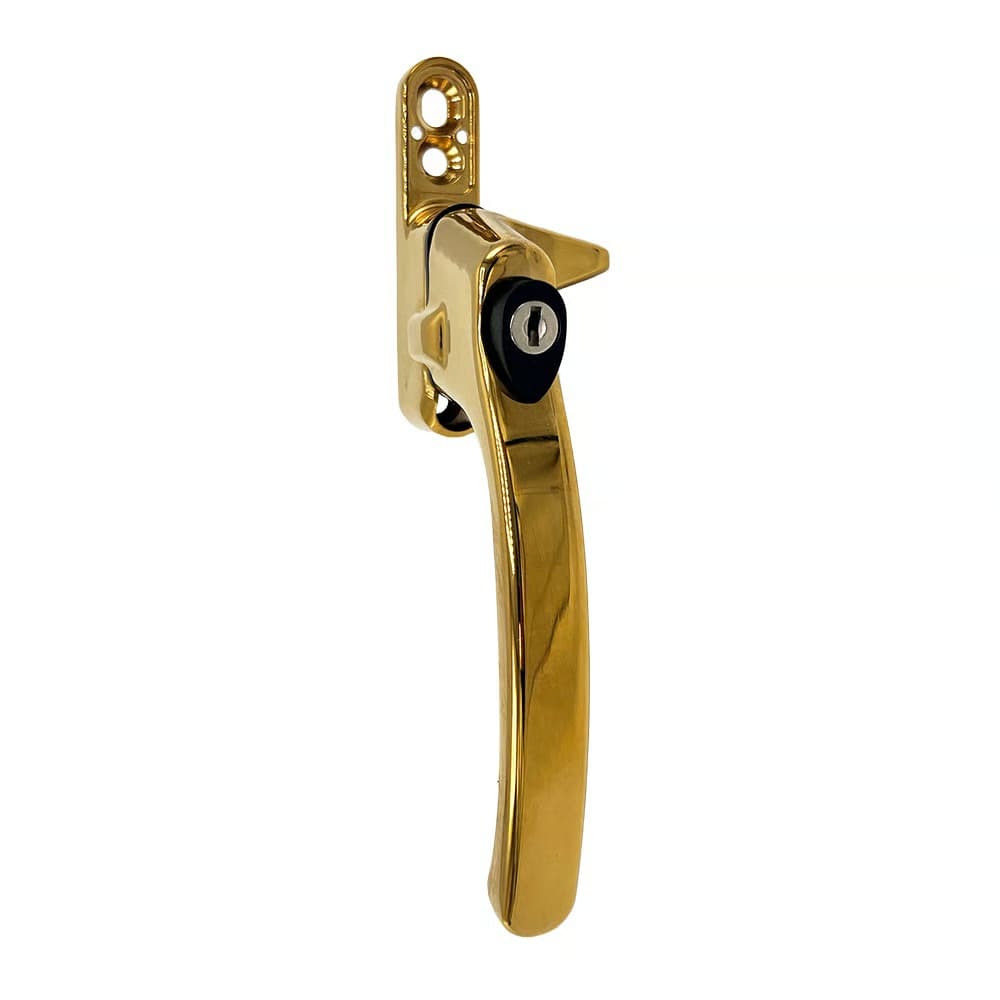
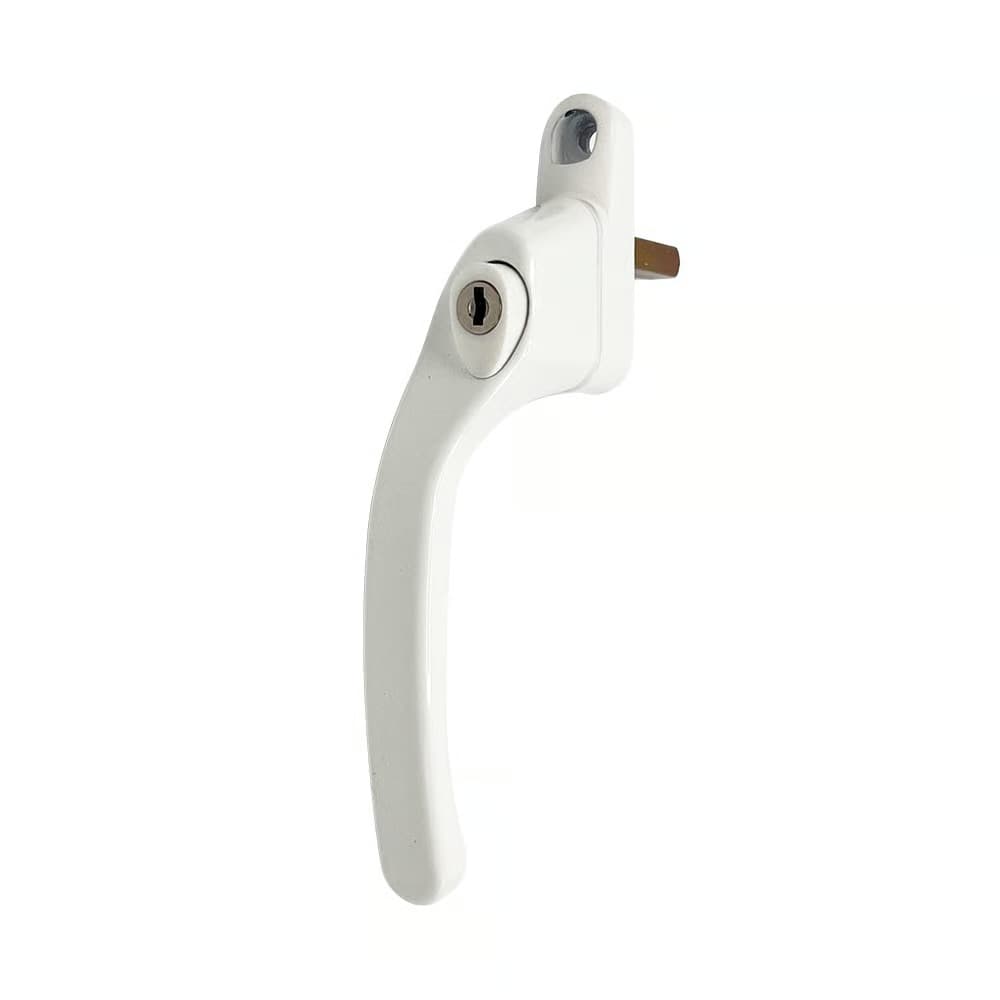
Choosing the correct maintenance approach begins with identifying the handle type. Where possible, purchase handles from trusted suppliers and note any manufacturer care instructions. For example, the TSS Cockspur Window Handles is a common choice for modern uPVC windows and has a robust finish suited to regular cleaning.
Routine cleaning: frequency and method
Regular cleaning keeps black handles free from grime and reduces wear from abrasive debris.
- Frequency: Clean internal handles once every 1–2 months in normal conditions. External handles exposed to coastal air, heavy traffic dust or construction should be cleaned every 2–4 weeks.
- Tools: Use a soft microfibre cloth, a soft-bristled toothbrush for crevices, and a mild detergent or pH-neutral cleaner. Avoid steel wool, abrasive pads or scouring compounds that can scratch or remove the finish.
- Method: Mix a few drops of mild liquid detergent with warm water. Dampen the cloth (not dripping) and wipe the handle, including around the spindle and behind the grip. Use the toothbrush to dislodge dirt in joints and around fixings, then wipe dry with a clean cloth to prevent water stains and corrosion.
Removing stubborn marks and fingerprints
Black handles often show fingerprints and oily marks. These are best removed promptly to maintain appearance.
- Fingerprints and light marks: Use a damp microfibre cloth with diluted dish soap, then buff to a dry finish. A small amount of isopropyl alcohol on a cloth can remove oil residues from painted finishes, but test on an inconspicuous area first.
- Inks and paint splatter: For accidental paint spots or marker stains, use a mild solvent such as white spirit sparingly and with care. Apply to a cloth rather than directly on the handle and rub gently. Avoid prolonged exposure to solvents on painted or plated surfaces.
- Rust stains on metal bases: For minor rust, a paste of baking soda and water applied to the stain, left for 10–15 minutes and gently scrubbed with a soft brush, can lift discolouration. Rinse and dry thoroughly. For significant rust or pitting, replace the affected hardware to ensure safe operation.
Lubrication and mechanical maintenance
Cleaning alone does not address mechanical wear. Routine lubrication keeps moving parts smooth without attracting excessive dirt.
- Lubricant choice: Use a light machine oil or a silicone-based lubricant for window handles and locking mechanisms. Avoid heavy greases that can collect dust. Silicone sprays are useful for painted surfaces as they do not contain solvents that risk damaging finishes.
- Application: Operate the handle to discover moving points, typically the spindle, locking cams and hinge pivots. Apply a small amount of lubricant to the spindle and work the handle to distribute. Wipe away any excess to prevent accumulation of dirt.
- Fixings and operation: Periodically check screws and grub screws for tightness, but avoid overtightening which can strip threads or warp handles. For handles that become stiff or loose, inspect the keep and locking mechanism—catch components often require adjustment to restore smooth movement.
Dealing with coastal and high-moisture environments
Salt-laden air accelerates corrosion on metal components and can lead to finish degradation.
- Increased frequency: Clean and lubricate external black handles every 2–4 weeks in coastal zones. Rinse with fresh water after storms or heavy sea spray events, then dry thoroughly.
- Protective coatings: Periodic application of a light protective wax designed for metal finishes can add a sacrificial barrier. Apply sparingly and buff to a thin film — avoid thick coatings that attract dust.
- Material choice: Where possible, specify corrosion-resistant options for coastal properties. Handles designed for marine or high-humidity environments often feature enhanced plating or stainless components.
Touch-up and repair
Minor chips and scratches are inevitable; timely repair prevents further deterioration and preserves appearance.
- Touch-up paint: Small chips in painted black finishes can be repaired using matched touch-up paint pens or small bottles designed for metal. Clean the area first, apply thin layers and allow full cure between coats.
- Replace damaged parts: For extensively damaged handles, replacement is often more cost-effective and safer. For example, the TSS Cockspur Window Handle and the TSS Offset UPVC Window Handles are commonly stocked replacements that suit a range of window profiles and offer durable finishes.
- Spindle and lock replacement: If the handle turns but fails to drive the locking mechanism, inspect the spindle for wear. Spindles can be replaced independently in many cases; ensure correct length and type for the specific handle to maintain proper operation.
Preventative tips and professional maintenance
Proactive measures extend the life of black window handles.
- Avoid harsh cleaners: No bleach, acidic cleaners or abrasive products directly on handles. These degrade paint and plating.
- Use handles correctly: Operate handles smoothly and do not force locks. For multi-point locking systems, engage locks in sequence rather than forcing a single point.
- Annual professional service: For commercial properties or older windows, arrange an annual service with a qualified window technician to inspect seals, gears and multipoint locks.