Black Window Handles: Replacement Guide and Common Sizes
Black window handles are a stylish and practical choice for modern homes and retrofit projects. Beyond their aesthetic appeal, they offer durability, contr...
Black window handles are a stylish and practical choice for modern homes and retrofit projects. Beyond their aesthetic appeal, they offer durability, contrast against light frames, and compatibility with a wide range of locking mechanisms. This guide explains common sizes, types, and practical replacement advice for homeowners and tradespeople, helping ensure the correct fit and secure installation.
Common types of black window handles
Understanding handle types simplifies replacement. The most common are:
- Espag/espagnolette handles: Suited for casement and tilt-and-turn windows, connecting to an internal multi-point locking mechanism.
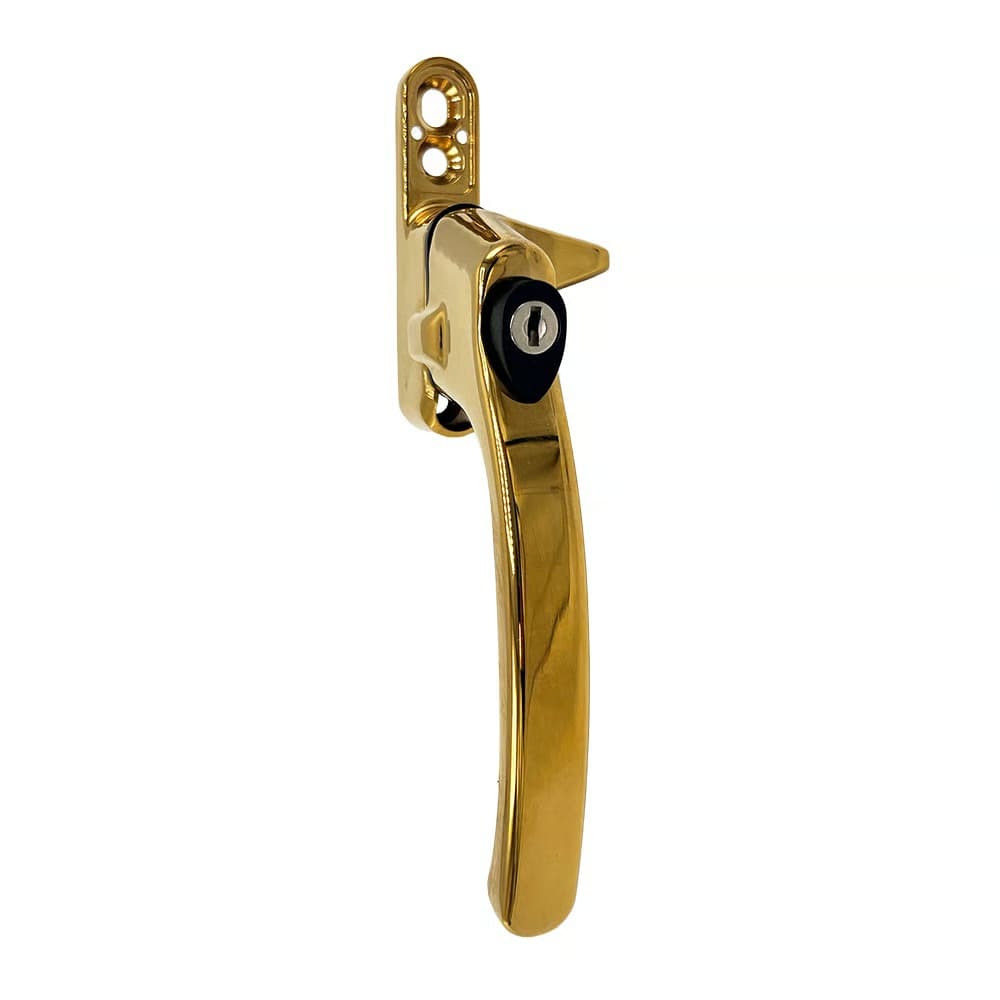
- Cockspur handles: Surface-mounted on the window frame, common on older timber and uPVC windows.
- Monkey tail and lever handles: Traditional styles for period properties.
- Tilt-and-turn specific handles: Often indexed to restrict position for ventilation or full opening.
Measuring for replacement: what to record
Accurate measurements avoid wasted parts and returns. Record these dimensions and details:
- Backset (centre to back): Distance from the handle spindle centre to the back edge of the handle rose or base.
- Spindle size and shape: Typical spindles are 7mm square for many uPVC handles; older timber windows may use 8mm or different profiles.
- Screw centres: Distance between fixing screws on the handle base.
- Centre-to-centre gearbox or espagnolette distance: For espag handles, measure from the spindle centre to the locking mechanism screw or gearbox centre.
- Spindle projection and length through the door/frame: Ensures the new handle will engage correctly.
- Handing and rotation: Note whether the handle rotates clockwise or anti-clockwise to lock, and whether a left or right-hand handle is required.
Common sizes and standards
Typical black window handles follow these size conventions:
- Spindles: 7mm square (common for uPVC), 8mm or 9mm square (older hardware or timber). Measure the flat-to-flat width with callipers.
- Backsets: 22mm, 28mm, or 40mm are common for internal roses and rapid-fit systems. Espag handles often use longer backsets (e.g., 40mm) to accommodate the gearbox.
- Fixing centres: Usually 43mm or 48mm on roses for modern uPVC handles; cockspur handles have varied centres due to surface mounting.
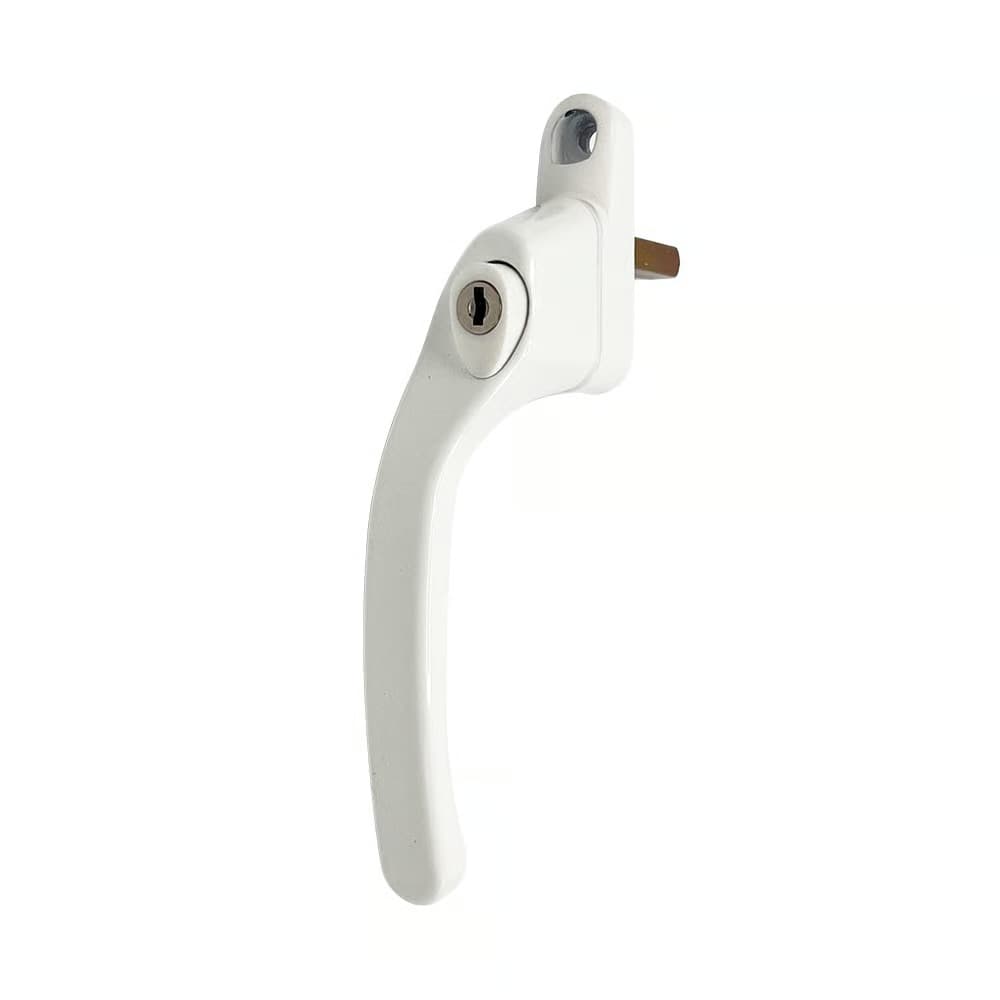
- Keyed vs non-keyed: Keyed handles include a cylinder; non-keyed handles are simply for operation. For security upgrades, match the cylinder size and cam position.
Practical steps for safe replacement
Replace handles with these practical steps:
1. Assess security: If the handle is part of an integral multi-point lock, ensure the replacement handle meets the same locking requirements and that the gearbox and espagnolette remain compatible. 2. Remove the old handle: Unscrew fixings and withdraw the spindle. Support the window sash to prevent stress on the locking mechanism. 3. Clean the area: Remove dirt, paint build-up or rust from the spindle hole and screw holes to ensure a flush fit. 4. Trial fit: Insert the new spindle and loosely fit the handle screws to confirm alignment with the lock. Rotate the handle through its full travel to check for binding. 5. Secure and test: Tighten fixings, then operate the lock multiple times to confirm smooth operation. For keyed handles, test the key action and check cylinder alignment. 6. Seal fixings if required: For external frames where weather exposure is a concern, apply a small bead of suitable sealant around screw heads to prevent water ingress.
Wear appropriate personal protective equipment and use correct screw types — stainless or zinc-plated screws often provide best corrosion resistance in external environments.
Security and maintenance tips
Black window handles are both functional and aesthetic; maintain security and longevity with these tips:
- Use keyed or lockable handles where security is critical — especially for ground-floor windows or accessible apertures.
- Replace worn spindles and fixings promptly; loose handles can cause internal lock failure.
- Lubricate moving parts annually with a dry PTFE spray or light machine oil on the spindle and internal gearbox. Avoid heavy greases that attract dust.
- Check handle torque: Handles should operate smoothly without excessive play. If the handle wobbles, tighten or replace the fixing screws.
- Consider colour-coordinated replacements to preserve visual continuity when multiple windows are visible. Black handles provide strong contrast with white frames and complement darker frames well.
Choosing the right finish and material
Black handles come in various finishes: matt, satin, gloss and textured powder-coated. Consider the frame material and exposure:
- Aluminium and composite frames often pair well with matt or textured black finishes that resist visible fingerprints.
- For coastal properties, choose stainless steel or corrosion-resistant coated handles to withstand salt-laden air.
- Powder-coated finishes provide durability and colour consistency; check warranty details from the manufacturer.
When to contact a professional
Tradespeople should be engaged for complex multi-point lock replacements, reinforced security upgrades, or when removing sealed units that might affect the integrity of the window. For straightforward handle swaps on standard uPVC or timber windows, a competent DIY installer can usually complete the job with basic tools. For peace of mind on security or warranty issues, use a registered installer.
Black window handles provide a contemporary finish while offering robust performance and security. With accurate measurement, correct matching of spindle and backset, and appropriate maintenance, replacements are straightforward for both homeowners and tradespeople. Further technical details, measurement guides and product recommendations are available in the full Window Handles Guide.