Black Window Handles with Locks: Security Options
Black window handles with locks combine style and security, offering a discreet yet effective way to protect ground-floor and accessible windows while matc...
Black window handles with locks combine style and security, offering a discreet yet effective way to protect ground-floor and accessible windows while matching contemporary joinery finishes. This guide outlines the main locking options, practical installation and maintenance advice, and considerations for different window types to help homeowners and tradespeople choose the right solution.
Types of locking window handles
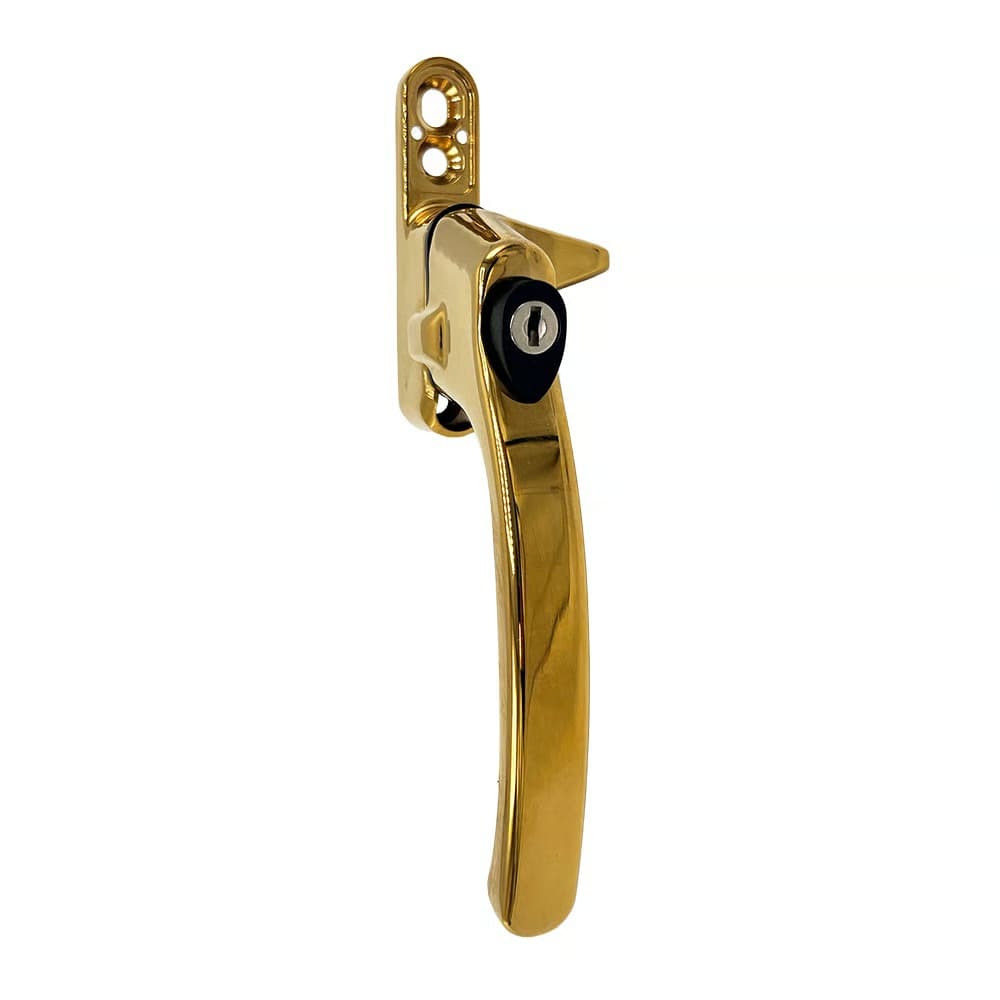
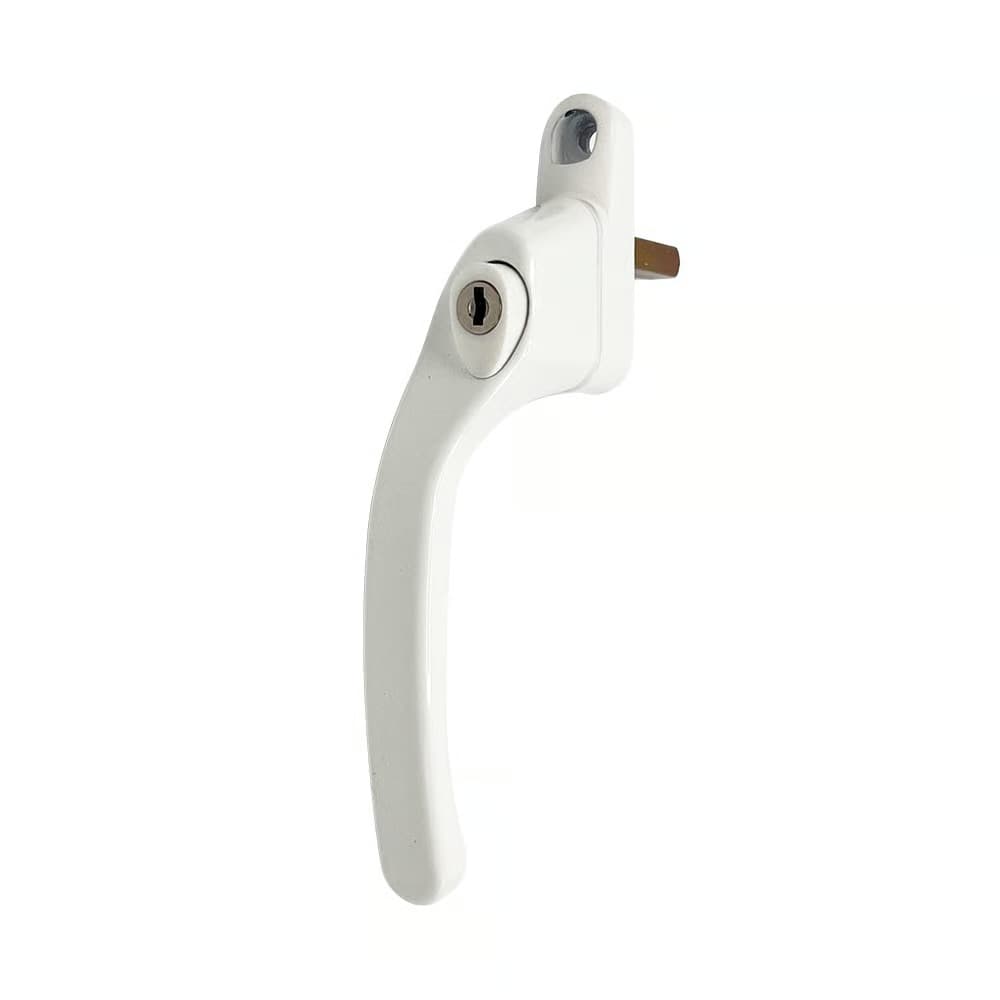
- Espag/espagnolette handles: Common on uPVC and aluminium casement windows, espag handles operate a rod that engages multipoint locking keeps in the frame. For keyed locking, options such as the TSS Cockspur Window Handles provide a traditional lever style with an integrated lock cylinder that secures the handle in the closed position.
- Cockspur handles: Often fitted to timber and older uPVC windows, cockspur handles lock by turning the handle to engage a catch on the frame. A robust example is the TSS Cockspur Window Handle, which gives a low-profile, secure option for secondary glazing or refurbishment projects.
- Locking push-button and snib handles: Suitable for inward-opening casements and some tilt-and-turn windows, push-button locking handles provide a simple secure action for everyday use.
- Key-locking handles for tilt-and-turn windows: These typically use the cylinder to lock the handle or include a lever lock that prevents operation when engaged. The TSS Offset UPVC Window Handles combines a familiar design with reliable key-locking for trade-spec installations.
Selecting the right black finish
Black finishes vary from matt to satin or gloss and are applied via powder coating, anodising (for aluminium), or electroplating. For exterior exposure, choose powder-coated or anodised finishes for better durability and corrosion resistance. Ensure the finish is specified for the substrate (steel, aluminium, brass) and suited to coastal locations where salt spray accelerates corrosion.
Security considerations and standards
Prioritise locking mechanisms that prevent lever manipulation, snapping, and forced rotation. Look for products with documented testing and manufacturer statements about compliance with relevant UK practices or Secured by Design principles. For renovations where enhanced security is required—such as ground-floor windows or those accessible from balconies—a fully engaged espag multipoint system offers significantly improved resistance to forced entry compared with single-point latch systems.
Additional measures to consider:
- Use one-way or anti-snap cylinders where keyed handles are fitted.
- Pair locking handles with robust keeps and reinforced frames to prevent levering.
- Fit restrictors on upper-floor windows to maintain egress while limiting opening width for child safety.
Practical installation tips for tradespeople
- Assess the window type before ordering: espag handles require a compatible espagnolette locking rod; cockspur handles need matching catches.
- Check backset and spindle size: Most handles use standard spindle dimensions (commonly 7mm or 8mm) and backsets of 35–40mm, but confirm measurements from the existing hardware or manufacturer specification.
- Ensure screw fixation is into reinforcing plates or solid timber rather than thin uPVC skin. Long stainless steel screws into reinforcement or repair plates improve pull-out resistance.
- When replacing non-locking handles with locking variants, verify that the new handle’s lock position aligns with existing keeps. Minor frame work might be necessary to fit new keeps or strike plates.
- For keyed options, ensure spare key management and consideration of master-keyed systems on multi-window projects.
Installation considerations for homeowners
- Prioritise accessible windows on the ground floor and any windows that can be reached from flat roofs, balconies or rear gardens.
- Keep emergency escape in mind: keyed handles on routes of escape should use thumb-turn options inside or have quick-release capability to prevent locking occupants inside.
- Maintain clear instructions for anyone using the property—particularly regarding which keys operate which windows—to avoid accidentally leaving windows unsecured.
Maintenance and troubleshooting
- Lubricate moving parts with a graphite or silicone-based lubricant annually; avoid oil-based lubricants that attract dirt.
- Clean black finishes with mild detergent and soft cloths; avoid abrasive pads that will dull powder coats.
- Check screws and keeps for signs of loosening or deformation and tighten or replace as necessary. Replace handles that show excessive play or stripped spindle connections.
- For sticky or stiff operation, check alignment of the sash and adjust hinge settings before increasing torque on the handle, which may lead to failure.
Upgrades and complementary security measures
- Fit laminated glass, security film, or hinge-side reinforcement where break-in risk is elevated.
- Consider retrofit sash jammers or hinge protectors in addition to a locked handle for a layered security approach.
- For buildings requiring insurance evidence of security improvements, retain receipts and product specifications for locking handles and associated hardware.
Final recommendations
Select black window handles with locks that suit the window type, meet practical finish requirements for the environment, and integrate with the existing locking system or planned upgrades. Tradespeople should measure carefully and specify compatible keeps and fixings; homeowners should prioritise egress functionality alongside security. Combining a quality keyed or multipoint-locking handle with reinforced keeps and good maintenance delivers a durable, discreet security solution.