Butt Hinge Sizes: Standard UK Dimensions Guide
Choosing the correct butt hinge affects how a door or window performs, how long it lasts and how secure the installation is. This practical guide describes...
Choosing the correct butt hinge affects how a door or window performs, how long it lasts and how secure the installation is. This practical guide describes standard UK butt hinge sizes, material choices and installation advice for both trade professionals and DIY homeowners. Use it to select the right hinge for timber doors, aluminium or PVC-U frames, and typical sash windows.
What is a butt hinge and how are sizes measured
A butt hinge is a two-leaf hinge with a central pin; one leaf is fixed to the frame and the other to the moving leaf, typically a door or window sash. Size is usually quoted as length by leaf width, for example 100mm x 50mm: 100mm is the overall length from top to bottom; 50mm is the width of each leaf when the hinge is open. Thickness and pin type also matter: thicker leaves and ball-bearing pins increase load capacity and longevity.
Common butt hinge sizes for UK doors
There is no single standard size for all doors; choice depends on door height, weight and frequency of use. Typical length options seen across UK domestic and commercial projects are:
- Internal doors: 75mm, 89mm and 100mm. Many internal timber doors are hung with three 75mm or three 89mm butt hinges.
- External residential doors: 100mm or 125mm. Heavier or taller entrance doors commonly use 100mm or 125mm hinges, often ball-bearing type for better performance.
- Heavy or commercial doors: 125mm to 150mm. For very heavy doors or doors subject to high traffic, increase hinge size and use heavy-duty or continuous hinge options.
Rule of thumb: as door height and weight increase, use longer and thicker hinges or increase the number of hinges. For most standard UK internal doors three hinges are the norm; for very light doors two may suffice provided they are the correct size.
Butt hinge sizes for windows and sashes
Sash and casement window butt hinges are smaller than door hinges because the loads are reduced. Typical lengths include 50mm, 63mm and 75mm. Use the following guidance:
- Small vents and lightweight sashes: 50mm to 63mm butt hinges.
- Medium to large timber sashes: 63mm to 75mm; choose based on sash weight and height.
- Where wind load or exposure is high: increase hinge size or use friction stays and additional support, and choose corrosion-resistant materials.
Always check the sash weight and consult the window manufacturer where available; a hinge that is too small will lead to sag and accelerated wear.
Materials, finishes and performance
Material choice affects strength, corrosion resistance and appearance. Common options:
- Stainless steel: excellent corrosion resistance; recommended for external doors and coastal locations.
- Mild steel (zinc plated or galvanised): economical; suited to internal use or protected external applications.
- Brass and bronze: traditional finishes for timber doors and period properties; suitable for moderate exposure when lacquered or oiled.
- Ball-bearing hinges: insert bearings between leaves for smoother action and longer life under frequent use; recommended on entrance doors and commercial doors.
- Security hinges: non-removable pins or dog bolts offer protection on outward-opening doors. Use these on external doors where pin removal would allow unauthorised detachment.
Practical trade advice on choosing sizes and grades
Consider these practical points when specifying or ordering butt hinges:
- Match hinge length to door height: taller doors need longer hinges to control deflection. For most internal doors 75mm or 89mm works; for external entrance doors start at 100mm.
- Choose hinge thickness and bearing type based on frequency of use: high-traffic doors benefit from ball-bearing or heavy-duty hinges.
- For external use or coastal sites always specify stainless or marine-grade finishes.
- Use at least three hinges on doors over 35kg; fit a fourth hinge for very heavy doors or where extra rigidity is required.
- For security-critical installations specify non-removable-pin hinges or dog bolts and long screws that penetrate deep into the frame or substrate.
DIY and trade installation guidance
Accurate fitting is as important as correct hinge selection. Key installation tips:
- Positioning: a common layout is top hinge 150mm from top of door, bottom hinge 200mm from bottom and the third hinge centred between the two; adjust for narrow rails and panels as required.
- Morticing: chisel or router to the thickness of the leaf so the leaves sit flush; ensure the knuckles line up perfectly or the door will bind.
- Screw selection: use screws long enough to penetrate well into the frame; for external doors use at least 40mm to 60mm long screws into the frame or studs. Countersink and pre-drill pilot holes to avoid splitting timber.
- Gap and clearance: maintain a consistent gap around the door; typical gaps are 2mm to 3mm at the sides and top, and 6mm to 8mm at the bottom for timber to accommodate floor clearances and thresholds.
- Temporary support: always support the door while fitting hinges; an assistant or a pair of wedges will prevent stress on the frame and ensure accurate alignment.
- Final checks: test the door through its full travel; lubricate the pin if required and tighten screws after a few days of use as timber settles.
Standards and compliance
Where applicable, specify hinges that comply with recognised standards such as EN specifications for single-axis hinges and CE marking when required. For high-security doors consider hinges and fixings that are compliant with approved doc Q or associated security standards; consult manufacturers and local building regulations for critical applications.
Choosing the right butt hinge for your project
Start with door or sash measurements and weight, then select hinge length, thickness and bearing type to match. For domestic internal doors three 75mm or 89mm butt hinges will cover most situations. For front doors use 100mm ball-bearing stainless hinges or 125mm heavy-duty hinges where greater strength and durability are required. For timber window sashes choose 50mm to 75mm hinges based on sash size and exposure.
For further technical guidance and supplier options see our pillar page on door hinges: /guides/door-hinges.
Recommended Products
Based on this article, you may find these products helpful:
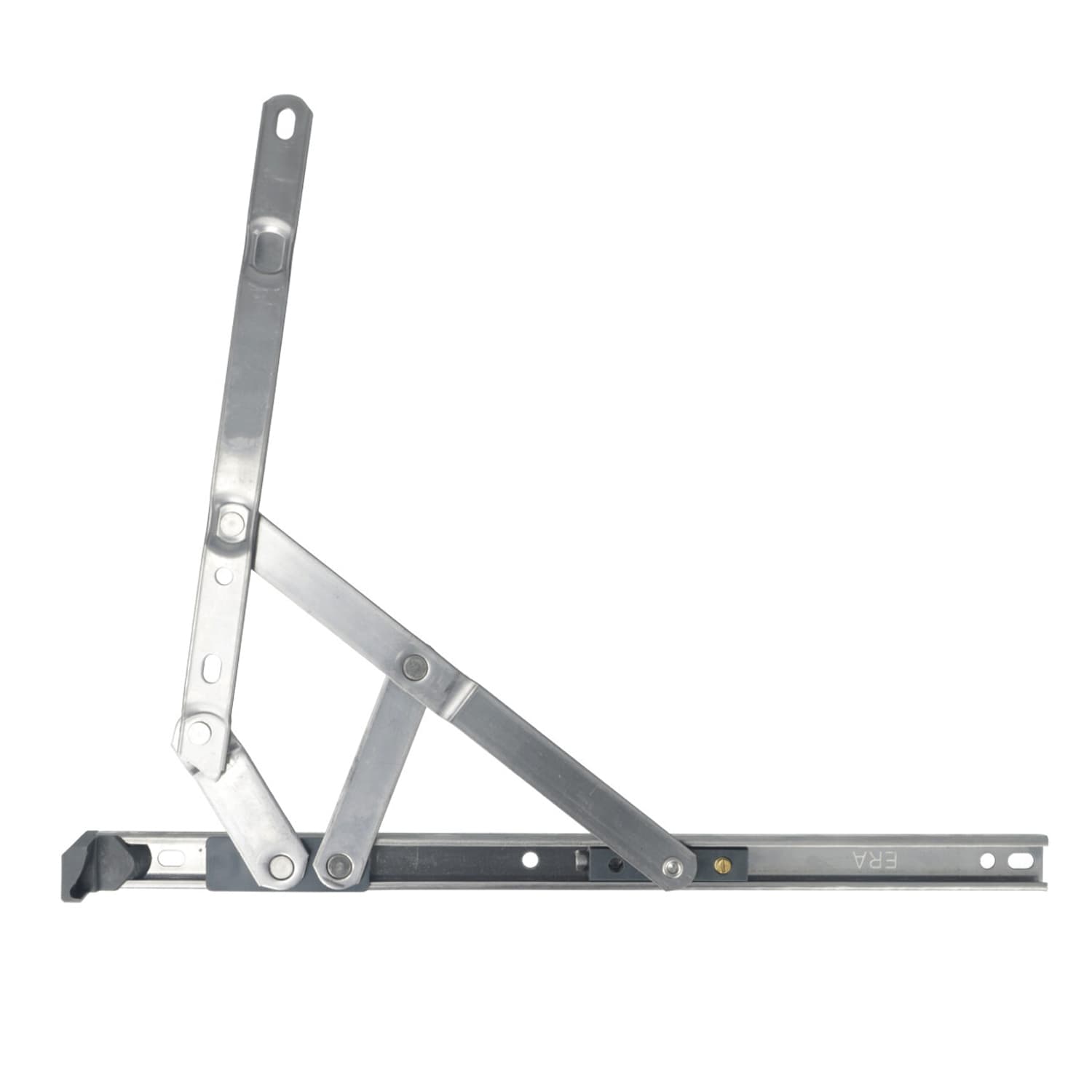
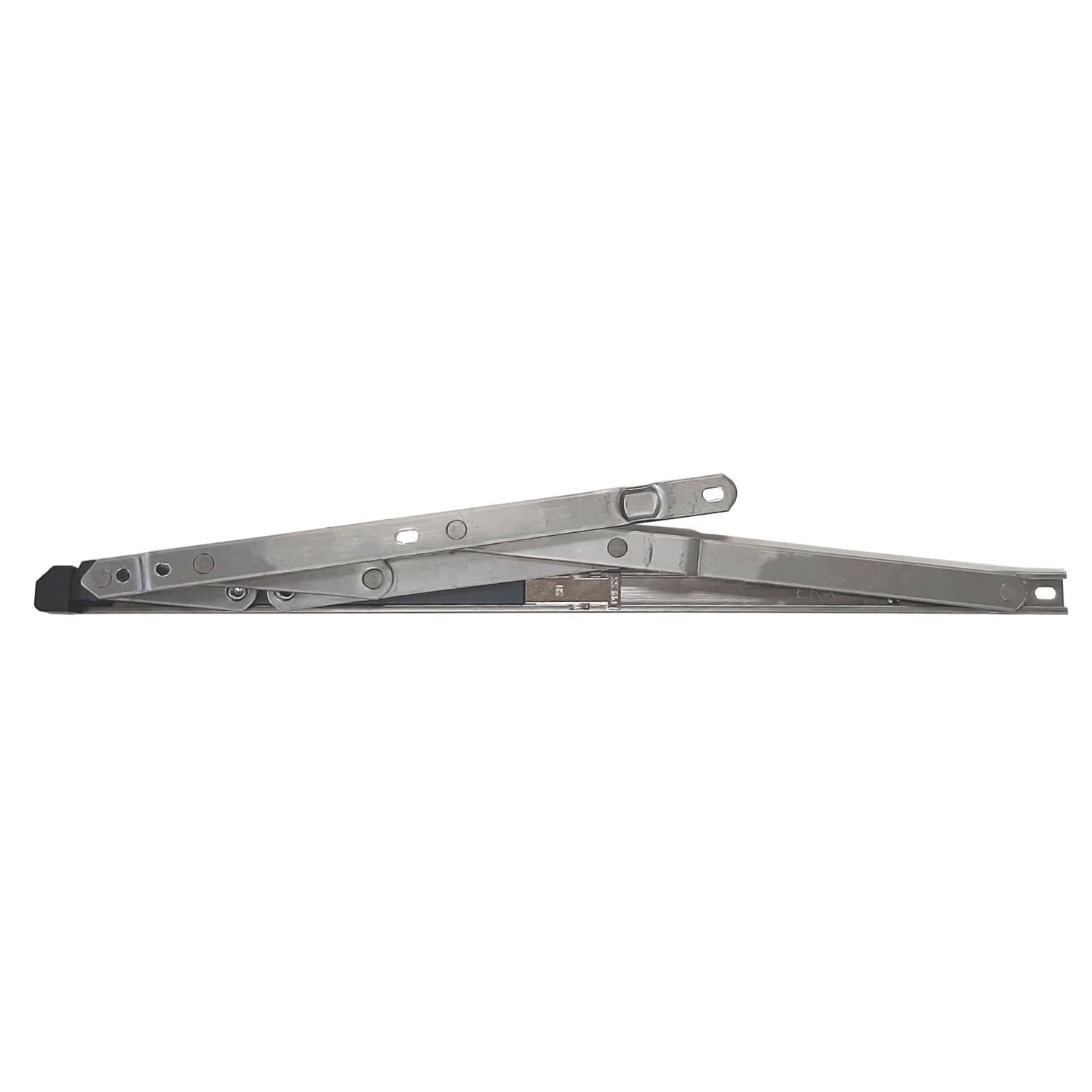
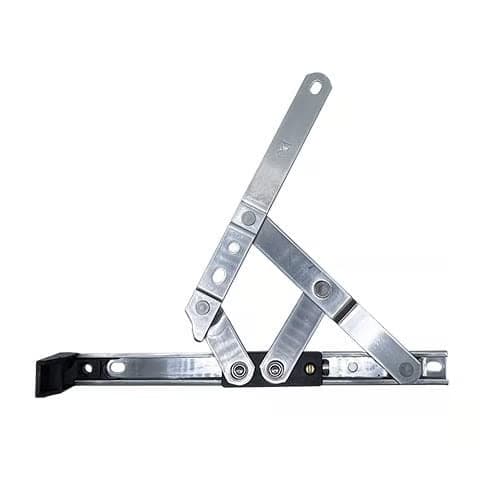
- Top Hung Friction Stay - 12"
- ERA Egress (Fire escape) Friction Stay
- TSS Standard Friction Stays – 13mm & 17mm Stack Height
- Restricted Friction Stay Hinges
- Flag Door Hinge - Stainless Steel
Conclusion and next steps
Selecting the correct butt hinge involves matching size, material and fixings to door or window weight and usage. Review hinge length, bearing type and screw specification before purchase. Next steps: measure your door or sash, determine required hinge count and weight capacity, then order hinges in stainless or ball-bearing finish for higher performance. If in doubt consult a trade supplier or installer to confirm suitability for security or fire-rated applications.