Can You Convert Cockspur to Espag? Pros, Cons, and When It Works
Converting cockspur window handles to espag locking handles is a common consideration during home upgrades and maintenance. Both handle types are widesprea...
Converting cockspur window handles to espag locking handles is a common consideration during home upgrades and maintenance. Both handle types are widespread on timber and aluminium casement windows, but they operate differently and have distinct advantages. This article explains when conversion is possible, the pros and cons, and provides practical, actionable advice for homeowners and tradespeople planning a retrofit.
What are cockspur and espag handles
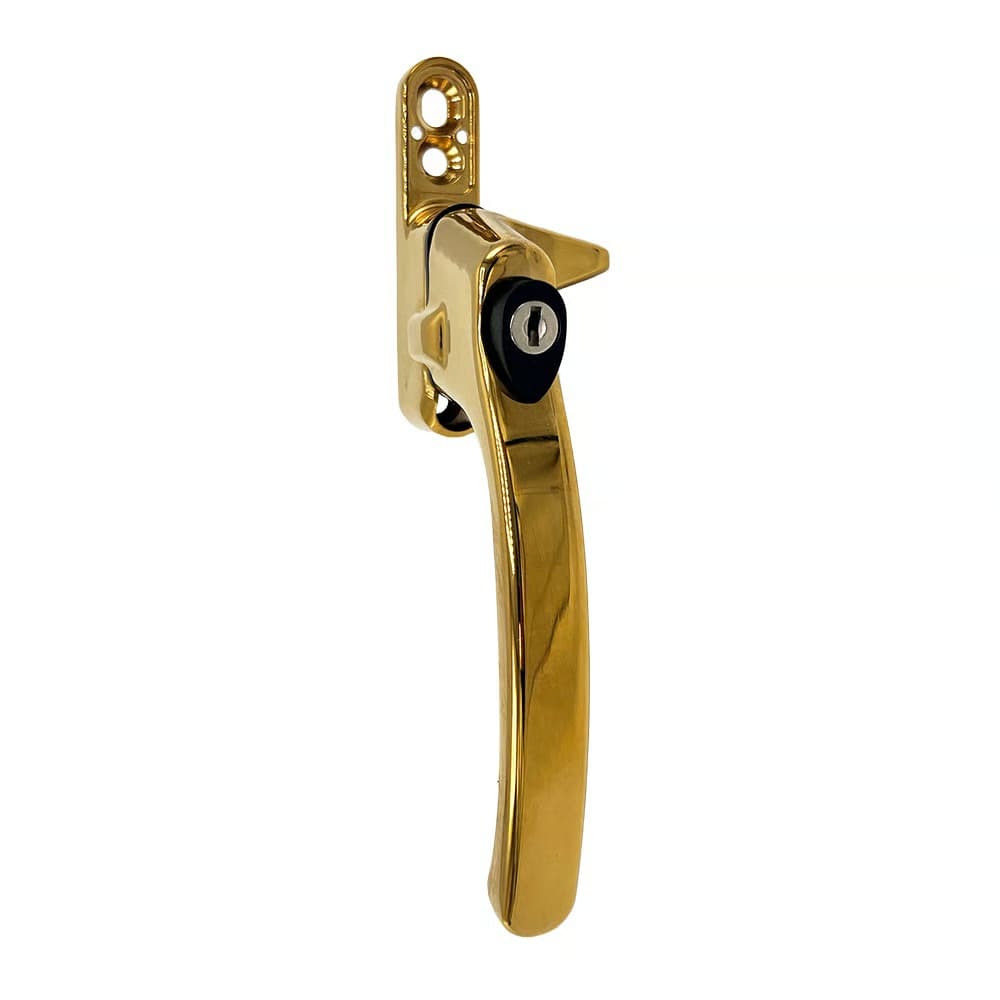
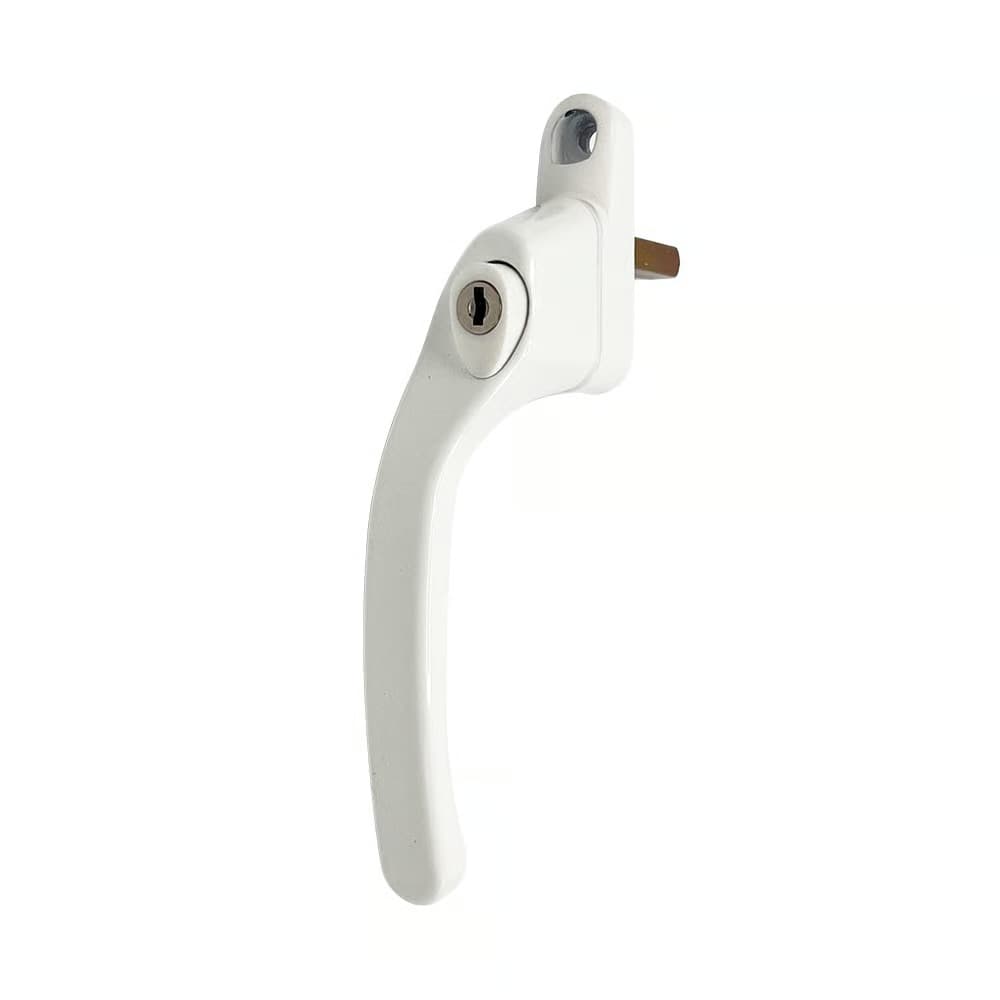
Cockspur handles are surface-mounted, non-locking handles that hook over a keep on the frame to hold the window closed. They are simple, durable and widely used on older timber and steel windows. A typical product example is the TSS Cockspur Window Handle, which illustrates the familiar design and mounting style.
Espag (espagnolette) handles operate a multi-point espagnolette locking mechanism inside the window edge via a spindle and gearbox. They usually lock with a key or push-button and give improved security and weather-tightness. Modern espag handles include products such as the TSS Cockspur Window Handles or the TSS Offset UPVC Window Handles.
When conversion is feasible
Conversion is feasible when the existing window frame and sash can accommodate an espagnolette mechanism. Key factors determining feasibility:
- Frame depth and stile width: There must be sufficient depth in the sash edge for the espag gearbox and locking rods. Narrow timber stiles or thin metal frames may not have enough space.
- Existing cut-outs: Cockspur handles are surface mounted, whereas espag mechanisms require a central spindle hole and often additional cut-outs for the gearbox. Sashes with minimal existing machining will need routing.
- Keep and lock compatibility: The existing keeps on the frame may not align with espag locking points. New keeps and striker plates will be necessary.
- Condition of the window: Rotten timber, corroded metal, or warped frames reduce success rate. Conversion work is best on structurally sound windows.
Benefits of converting to espag handles
- Improved security: Espag systems provide multi-point locking, reducing the likelihood of forced entry compared with single-point cockspur hooks.
- Better sealing and weather performance: Multiple locking points compress the sash more evenly into the frame, improving draught resistance and thermal performance.
- Modern convenience and legal compliance: Many espag handles meet contemporary standards for child safety and may satisfy insurance requirements for upgraded locks.
- Aesthetic upgrade: Espag handles present a cleaner, contemporary look without exposed hooks.
Drawbacks and limitations
- Cost and labour: Conversion can be more expensive than replacing a handle due to routing, machining and fitting keeps. Labour costs increase if sash removal is required.
- Irreversible alterations: Cutting into the sash alters the original timber or metal, which may be undesirable for listed buildings or specialist restorations.
- Not suitable for every window: Thin stiles, narrow sash edges or poor condition windows may make conversion impossible without replacing the sash or entire window.
- Need for matching parts: Espag systems require compatible locking rods and keeps; mixing components from different manufacturers can cause misalignment and binding.
Practical steps for a successful conversion
1. Conduct a survey: Measure the sash stile width and depth, check the material condition, and measure the existing spindle size and position. Note the backset (distance from the sash edge to the centre of the spindle) and the screw hole positions to assess whether new fixings will align. 2. Choose the right espag handle and gearbox: Select an espag handle designed for the window material and with a gearbox depth compatible with the sash. The Mila ProSecure Espag Handle is an example of a modern espag option suitable for timber and composite applications. 3. Prepare the sash: Remove the old cockspur handle and fill or route existing screw holes as required. Routing must create a neat pocket for the gearbox while avoiding weakening the sash. Use a router with appropriate guides or a trained joiner to avoid mistakes. 4. Fit new keeps and striker plates: Install compatible keeps that line up with the espag locking points. Adjustable keeps can help achieve a smooth lock without binding. 5. Test operation and adjust: Ensure the handle operates smoothly through full travel and locks and unlocks correctly. Adjust keeps and locking rods to remove any binding and ensure a tight compressive seal. 6. Seal and finish: Repaint or varnish the routed area to protect exposed timber and maintain a neat finish. For exterior metal windows, apply corrosion treatment if any bare metal is exposed.
When replacement is a better option
Full sash or window replacement may be preferable when:
- The sash is too narrow or shallow to accept espag gearboxes.
- The window is in poor condition or historically significant and should remain unaltered.
- The cost of retrofit approaches the cost of replacement, particularly for uPVC or aluminium windows where modern espag systems are integrated into new units.
- A uniform look and guaranteed performance across multiple windows is desired, making full replacement more cost-effective in the long term.
Choosing a supplier and installer
Select hardware from reputable manufacturers and use installers experienced with both timber and metal frames. Products such as the TSS Offset UPVC Window Handles provide known reliability and compatibility with established espag systems. Tradespeople should check manufacturer instructions for spindle sizes, backsets and gearbox depths to avoid ordering incompatible parts.
Summary
Converting cockspur window handles to espag can deliver significant security and performance improvements when the sash and frame can accommodate the espagnolette mechanism. Practical on-site assessment of sash depth, condition and alignment is essential before committing to conversion. Where conversion is unsuitable, replacement of the sash or entire window may be the more effective solution. For further guidance on handle selection and compatible hardware, consult the comprehensive Window Handles Guide.