Chrome vs Satin Door Handles: Which Finish to Choose
Choosing between chrome and satin finishes for a door handle is a common decision for tradespeople and homeowners. The finish affects appearance, durability, maintenance and cost; it can make or break...
Choosing between chrome and satin finishes for a door handle is a common decision for tradespeople and homeowners. The finish affects appearance, durability, maintenance and cost; it can make or break a scheme where door hardware is a visible detail. This guide explains the practical differences between chrome and satin finishes, and offers clear trade-focused advice on selecting and installing the right door handle for your project.
How finishes are made: chrome plating vs satin coating
Understanding the manufacturing process helps explain the performance of each finish. A chrome door handle is typically a brass or zinc base plated with multiple layers of chrome, then polished to a mirror-like shine. A satin finish is often the same base metal with a matt or brushed surface applied by mechanical brushing or a chemical coating; finishes labelled satin chrome usually indicate a brushed chrome plating.
- Chrome plating: high-gloss reflection; multiple plating layers for corrosion resistance; polished surface.
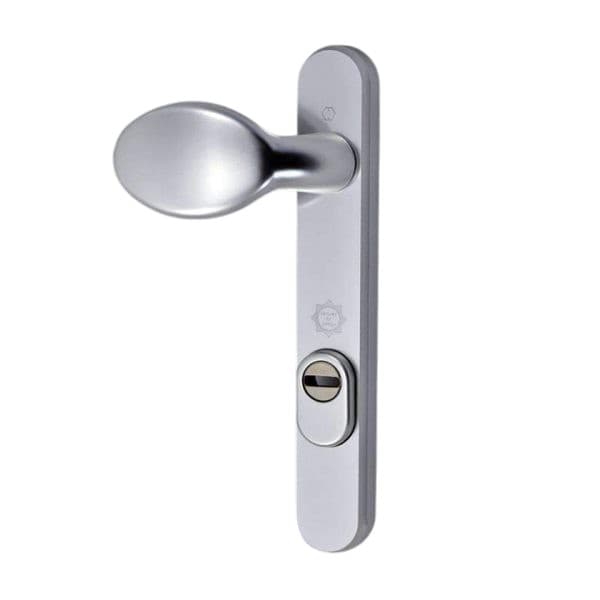
- Satin finish: low-sheen, brushed texture; hides minor scratches and fingerprints; may be lacquered for extra protection.
Appearance and design considerations
Choose chrome if you want a bright, contemporary look that reflects light; chrome door handles suit modern kitchens, bathrooms and commercial interiors. Choose satin for a softer, more subtle aesthetic; satin door handles fit traditional homes, matte décor schemes and high-traffic areas where a low-maintenance look is desirable.
Consider the wider finish palette in the room: chrome pairs well with polished taps and stainless appliances; satin pairs with brushed stainless, aged brass and matt black elements. For a coordinated scheme, match the finish family rather than precisely the same shade; a satin chrome door handle will sit comfortably alongside a brushed steel door pull.
Durability, maintenance and fingerprints
Durability is a key trade concern when recommending a door handle. Both finishes can be long-lasting if the underlying material and plating quality are good; look for solid brass or steel cores and quality plating thickness for chrome. Satin finishes conceal minor wear; they rarely show fingerprints and are forgiving of light scratches.
- Chrome door handles: show fingerprints and water spots; require regular polishing in high-use areas; can be more prone to visible light scratching on shiny surfaces.
- Satin door handles: mask fingerprints and smudges; easier to maintain with a quick wipe; less reflection helps conceal surface wear.
- Environmental factors: in coastal or high-humidity settings choose corrosion-resistant substrates and thicker plating regardless of finish; stainless cores are preferable for longevity.
Practical installation and repair tips for tradespeople
When installing a door handle, finish affects how you protect and adjust fittings on site. Tradespeople should prepare and protect finishes during installation to avoid visible tool marks.
- Use soft-jawed grips or cloth around a chrome or satin door handle when tightening screws to avoid marring the finish.
- Test alignment with the latch and strike plate before final tightening; misalignment can cause uneven wear and finish damage from friction.
- For high-traffic commercial installs, consider satin-finish levers on push plates and pull handles to reduce maintenance time.
- Keep replacement parts of the same finish available on site: handles, escutcheons and strike plates age together better than mixing finishes.
Cost, specification and lead times
Price differences between chrome and satin door handles are usually modest; the main cost drivers are base material, brand and locking mechanism. Chrome plating can be slightly more expensive if it requires thicker layers and polishing. Satin finishes sometimes require an additional coating or brushing step which can affect price and lead time.
For trade specification: include the finish name, material, and corrosion resistance rating in your quote; specify maintenance expectations to the client. Typical spec line: "Lever handle, satin chrome finish, solid brass core, 10-micron chrome plating (where applicable), suitable for bathroom/bedroom/utility use".
Choosing the right finish by room and use
Match the door handle finish to the room function and expected use pattern:
- Bathrooms and en-suites: satin finishes reduce the visibility of water spots; however, high-quality chrome with good plating can also perform well if cleaned frequently.
- Kitchens: chrome can match appliances; choose satin if you prefer a low-maintenance look around cooking areas where grease can show on polished surfaces.
- Commercial and high-traffic areas: satin is often better at concealing wear and requiring less frequent cleaning.
- Period properties: satin or antique-style finishes are more sympathetic to traditional fittings than bright chrome.
Final trade recommendations
For a trade-friendly rule of thumb: specify satin finishes where concealment of wear and lower maintenance are priorities; specify chrome where brightness and contemporary styling are primary. Always prioritise the quality of the base material and the manufacturing standard over minor finish differences; a well-made chrome door handle will outperform a cheap satin alternative.
Keep stock of both finishes in common sizes and lock types to offer clients options on site. When in doubt, show samples on the actual door and lighting conditions of the room: real-world reflection and colour balance often determine the best choice more than photos.
Conclusion: Both chrome and satin door handles have clear advantages. Choose chrome for a bright, reflective, contemporary aesthetic; choose satin for a subtle, low-maintenance, forgiving finish. For tradespeople, specify durable materials and correct plating/coating details, protect finishes during installation and match the handle finish to the room's function and style to deliver a professional result.
Related Reading
Explore more guides on related topics:
- 3 Star Cylinder Explained: The Highest Level of Door Security
- Types Of Hinges For Upvc Doors
- How to Replace a uPVC Door Lock: Step-by-Step DIY Guide
Recommended Products
Based on this article, you may find these products helpful:
Part of our guide:
Complete Guide to Door Handles