Cockspur Window Handle Replacement: How to Match Your Existing One
Cockspur window handles remain a common feature on older timber and metal-framed windows across the UK. When a handle fails or the finish becomes tired, re...
Cockspur window handles remain a common feature on older timber and metal-framed windows across the UK. When a handle fails or the finish becomes tired, replacing it with the correct type preserves security and operation without the need for a full window replacement. This guide explains how to identify, measure and match a cockspur window handle to ensure a successful swap for homeowners and tradespeople alike.
What is a cockspur window handle
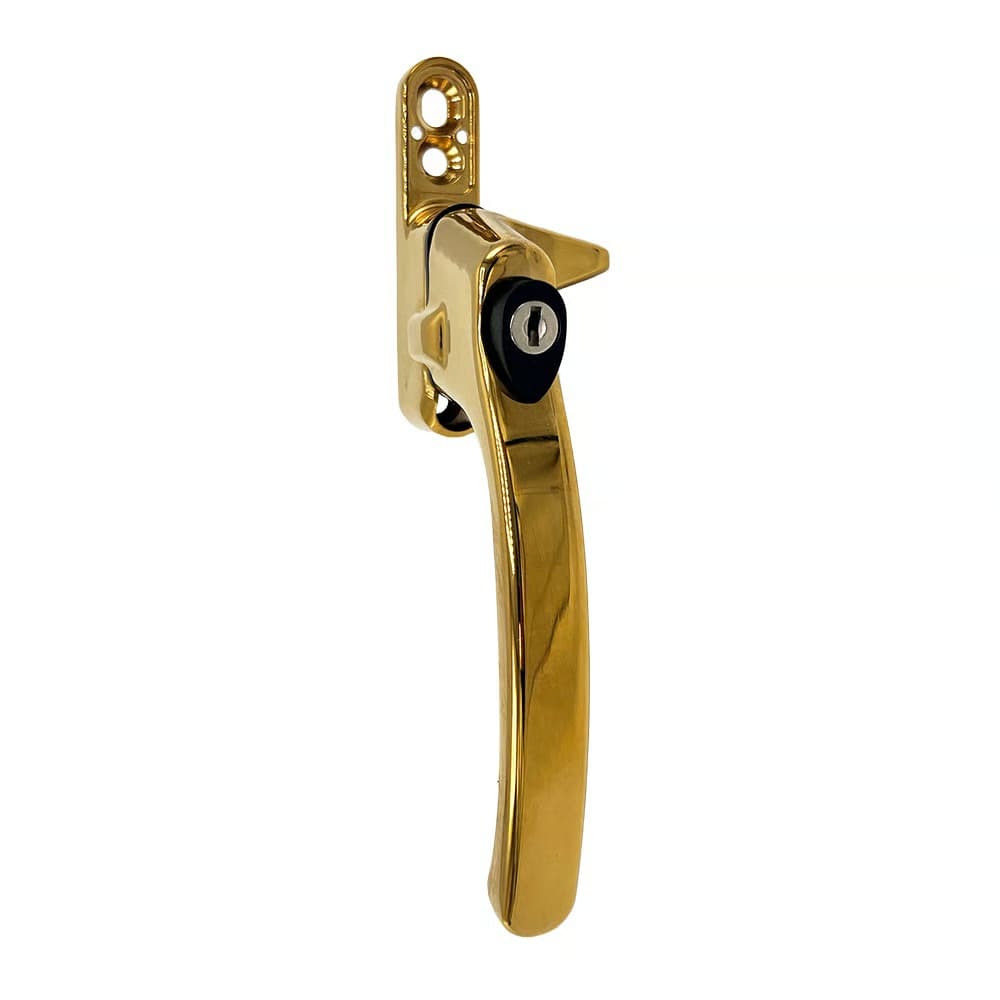
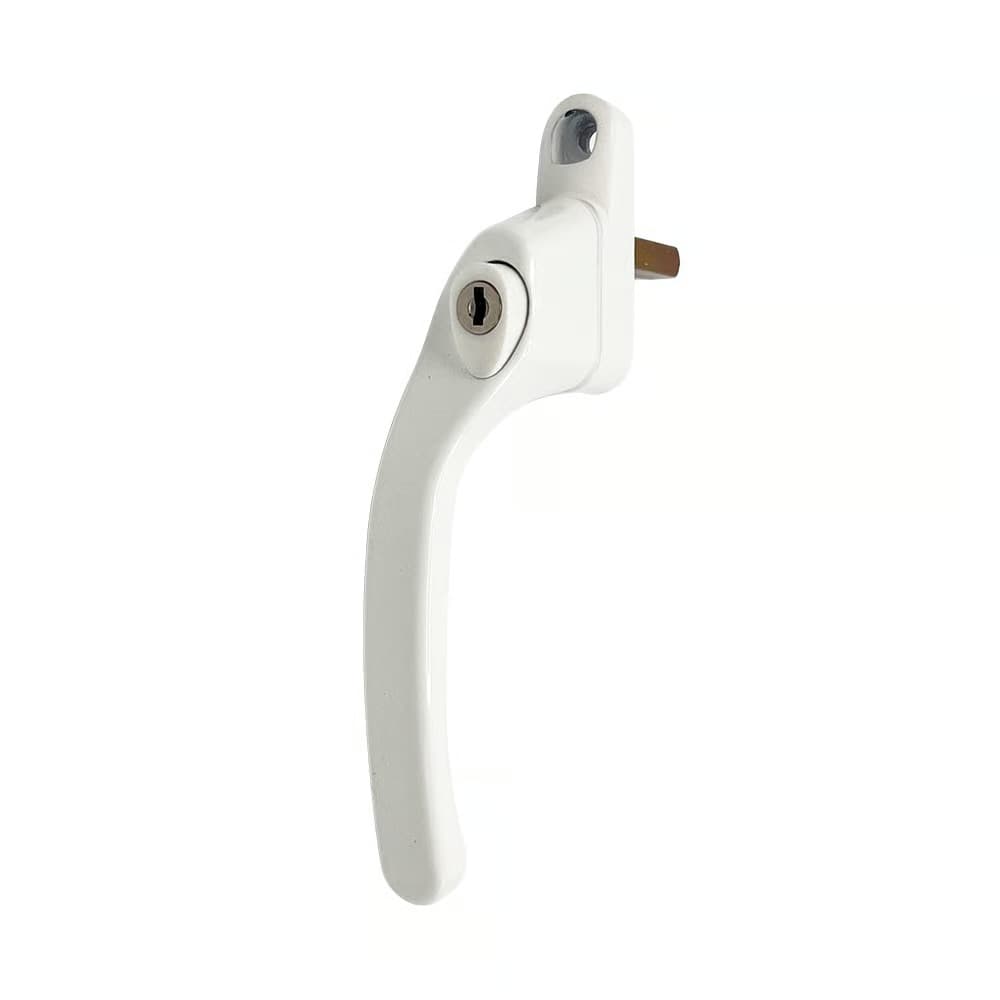
A cockspur handle is a surface-mounted latch that hooks over the frame to secure the window. Unlike espag or casement handles, cockspurs are fixed to the sash with visible screws and use a projecting “spur” that engages a keep on the frame. They are commonly found on older timber sash and casement units, secondary glazing and some metal-framed windows. Recognising the style quickly avoids ordering the wrong product.
Identifying the correct type
Begin by inspecting the handle and its fixing method. Cockspur handles typically have:
- A protruding curved or angled spur that hooks over a frame-mounted keep.
- Two or more surface screws fixing the handle base to the sash.
- No spindle passing through the frame (unlike espag handles).
A practical replacement option for many installations is the TSS Cockspur Window Handle, which offers common lengths and finishes suitable for retrofit jobs.
Measuring for a replacement
Accurate measurements prevent returns and rework. Key dimensions to record:
- Overall handle length from top to bottom.
- Distance between fixing centres (centre-to-centre of the screw holes). Measure between the centres of the visible screws on the handle base.
- Spur length and projection: measure from the handle base to the tip of the spur and the distance the spur projects beyond the handle base when latched.
- Handing and orientation: note whether the spur is on the left or right when viewed from inside and whether the window opens inwards or outwards.
Matching keeps and replacements
The replacement handle must engage the existing keep correctly. Existing keeps may be integral to the frame or surface-mounted. Where the old keep is damaged or corroded, replacement keeps are widely available; measure the keep’s position relative to the sash edge so any new keep lines up with the spur.
When the keep cannot be adjusted to align, a reversible or longer spur handle can compensate. In some cases, swapping an older handle for a modern equivalent with an adjustable spur or multiple fixing slots simplifies alignment without modifying the frame.
For homeowners preferring a different style while maintaining operation, a conversion to an espag-style lock may be possible but involves routing the sash and fitting multipoint hardware. For jobs where the existing mechanism is sound, a like-for-like cockspur swap is the most straightforward solution.
Material and finish considerations
Choose a finish that matches the existing window hardware and offers weather resistance. Common finishes include white powder coat, brass-effect, chrome and satin finishes. For coastal locations or high-condensation areas, stainless steel or corrosion-resistant coated handles extend service life.
For trade customers specifying high-security or heritage-compatible options, check the handle’s durability rating and screw material. Matching screw size and thread type avoids stripped holes in soft timber.
Yale-branded solutions such as the TSS Offset UPVC Window Handles provide quality finishes and are suitable where brand consistency or warranty considerations are important.
Tools and a safe replacement procedure
Typical tools required:
- Screwdriver (flat or Phillips to suit screws)
- Replacement screws (matching thread and length)
- Pencil and ruler for marking keeps
- Small chisel and plane (for minor keep adjustments)
- Spirit level for alignment
- Appropriate PPE (gloves, eye protection)
Where the existing screw holes are enlarged or stripped, use slightly larger screws or timber plugs to secure a new fixing. Avoid over-tightening screws in soft timber to prevent crushing the wood and compromising security.
When to replace related components
Replacing a cockspur handle often highlights worn keeps, tired seals or poorly aligned sashes. If the window continues to rattle, does not lock fully or shows visible wear on the keep, replace the keep at the same time. For improved security, consider upgrading multiple single-point cockspur latches to a multi-point system, especially on vulnerable ground-floor windows.
For durable retrofit kits and modern alternatives, installers frequently opt for contemporary handles that maintain the cockspur action while improving corrosion resistance and ergonomics. An example of a modern espagnolette alternative suitable for some installations is the TSS Cockspur Window Handles, though conversion requires additional sash work.
Final checks and maintenance
After fitting, perform a final operation test: open and close the window several times, checking smooth action and secure latching. Tighten any screws that have settled and apply a small amount of light oil to moving parts after initial bedding in. Regular lubrication and visual checks every 12 months prolong life and maintain security.
For further guidance on handle types, finishes and installation options, consult the comprehensive Window Handles Guide.