Cockspur Window Handle Wedges: When You Need Them
Cockspur window handles are common on older and budget uPVC and aluminium windows. They combine a lever handle with a simple catch that engages a keep on t...
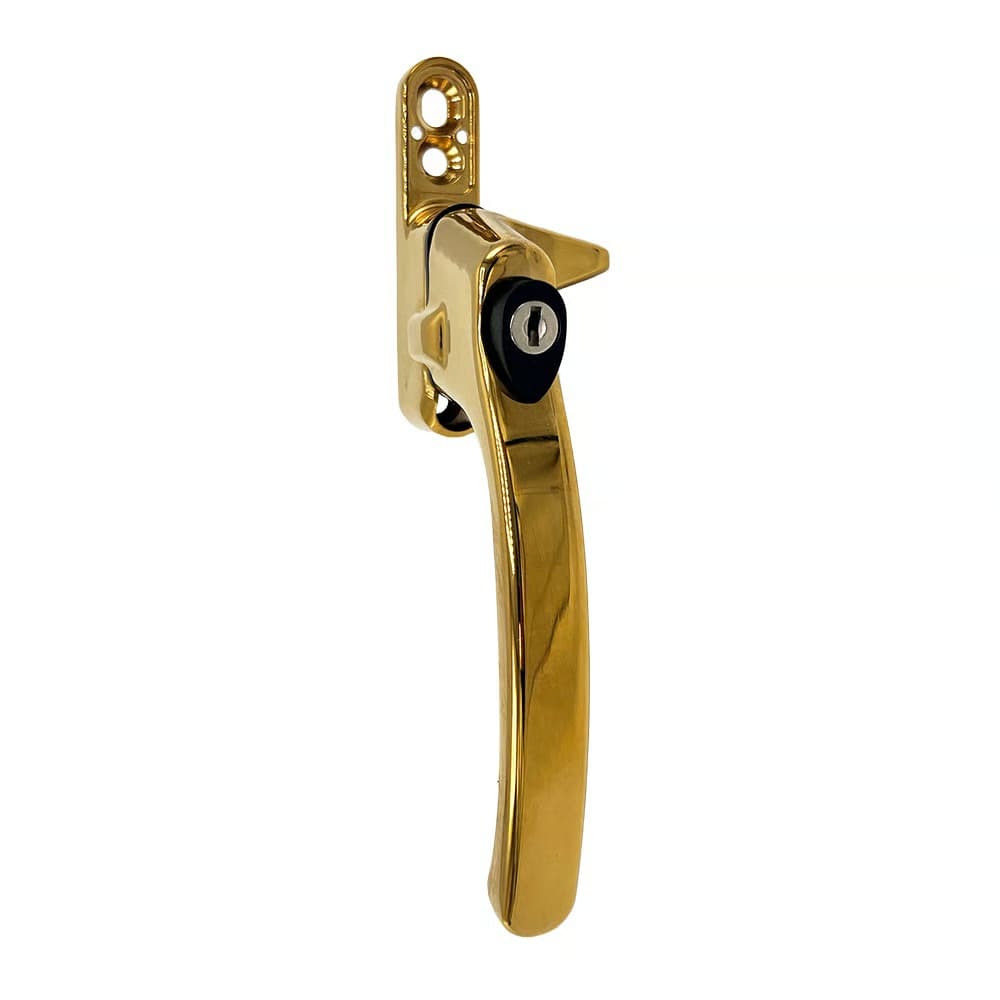
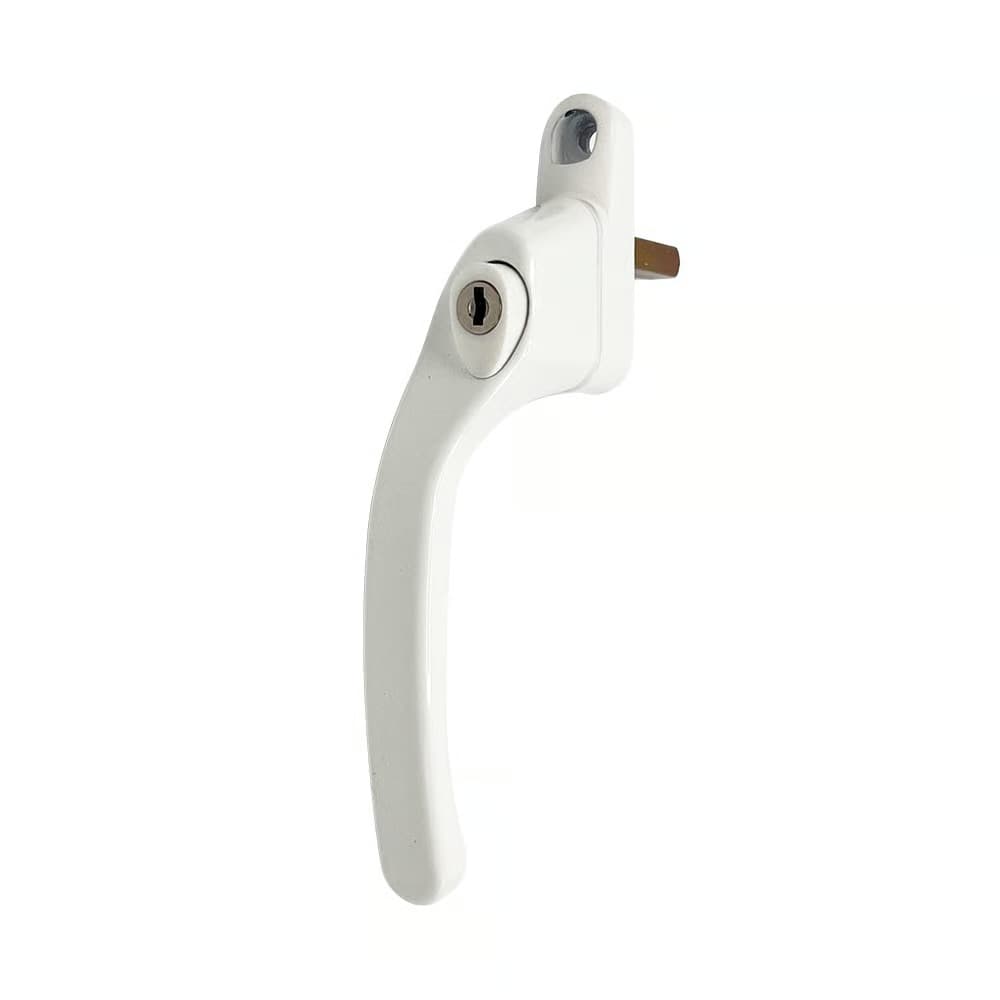
Cockspur window handles are common on older and budget uPVC and aluminium windows. They combine a lever handle with a simple catch that engages a keep on the frame. Over time, play or wear between the handle and keep can cause sloppy operation, security concerns or failure to fully lock. Wedges — small inserts that fit between the handle spindle and the keep — restore correct engagement and alignment, extending the life of the handle and improving performance without full replacement in many cases.
What a wedge does and when it is required
A cockspur handle wedge takes up the slack between the cockspur (the protruding arm on the handle) and the strike plate or keep. Common signs that a wedge is needed:
- Excessive movement when turning the handle before the catch engages
- Difficulty achieving a secure hold or hearable click when locking
- The handle rubbing against the frame or not returning to a consistent rest position
- Visibility of gaps between the cockspur tip and the keep
Types of wedges and material choices
Wedges are usually made from nylon, plastic or fibre. Each material has advantages:
- Nylon: durable, low friction and resistant to compression — good for long-term use
- Plastic: cost-effective and available in various thicknesses for different gaps
- Fibre: traditional option with moderate wear resistance; suitable for temporary fixes
Measuring and selecting the correct wedge
Accurate measurement avoids over-tightening or under-correction. Procedure:
1. With the window closed and handle at rest, observe the gap between the cockspur tip and the keep. 2. Use feeler gauges or a set of thin plastic wedges to determine the thickness that eliminates play without forcing the handle. 3. Ensure the wedge does not obstruct the handle’s full travel or prevent the locking cam from seating.
A wedge should sit flush inside the keep and allow the handle to close naturally. If the handle becomes stiff or the locking cam cannot fully engage, the wedge is too thick or incorrectly positioned.
Step-by-step fitting guide
This practical sequence suits homeowners with basic DIY skills and tradespeople for quick adjustments.
1. Remove the handle: unscrew the fixing screw(s) and withdraw the spindle if required. Some cockspur handles can be adjusted in situ but removal offers better access. 2. Clean the keep: remove dirt, grease and old debris that affect seating. A small brush and isopropyl alcohol work well. 3. Select wedge thickness: start with a thinner wedge and build up if necessary. Test fit and operate the handle between adjustments. 4. Insert wedge: seat it in the keep against the cockspur tip. Trim or file a wedge if minor shaping is required for a snug fit. 5. Refit handle and test: operate the handle several times to check for smooth engagement, consistent rest position and secure locking. 6. Secure and finalise: when satisfied, replace any retaining screws and ensure the handle returns to the correct orientation when released.
For tradespeople, carrying a kit of pre-cut wedge sizes and small files speeds up on-site fitting.
When to replace rather than wedge
Wedges are an effective repair in many cases, but replacement of components is advisable when:
- The keep is fractured or heavily corroded
- The handle spindle is skewed or the handle shows metal fatigue
- There is persistent water ingress or rot affecting the frame
- The locking mechanism is worn beyond alignment correction
Security, maintenance and legal considerations
A properly fitted wedge improves engagement but does not replace the security features of a multipoint lock. For ground-floor windows or vulnerable locations, upgrading to a handle and lock with recognised security certification is recommended. Maintenance tips:
- Inspect handles and keeps annually
- Lubricate moving parts with a dry PTFE spray; avoid heavy oils that attract dirt
- Replace brittle or cracked wedges promptly to prevent scratching or jamming
Final practical checklist
- Confirm the problem is play between cockspur and keep, not a damaged spindle or handle
- Measure the gap and select a wedge material suitable for external use
- Fit incrementally and test full handle operation before finalising
- Replace rather than wedge when components are structurally compromised
- Consider upgrading to multipoint handles for enhanced security and weather performance