Cockspur Window Handles: Choosing Quality for Long-Term Use
Cockspur window handles remain a practical, cost-effective choice for many timber and metal-framed windows. Choosing quality cockspur window handles ensure...
Cockspur window handles remain a practical, cost-effective choice for many timber and metal-framed windows. Choosing quality cockspur window handles ensures reliable operation, improved security and a longer service life, reducing the need for frequent replacements. This article explains materials, locking options, measurement and fitting advice, and maintenance tips tailored for homeowners and tradespeople seeking durable solutions.
Understanding cockspur window handles
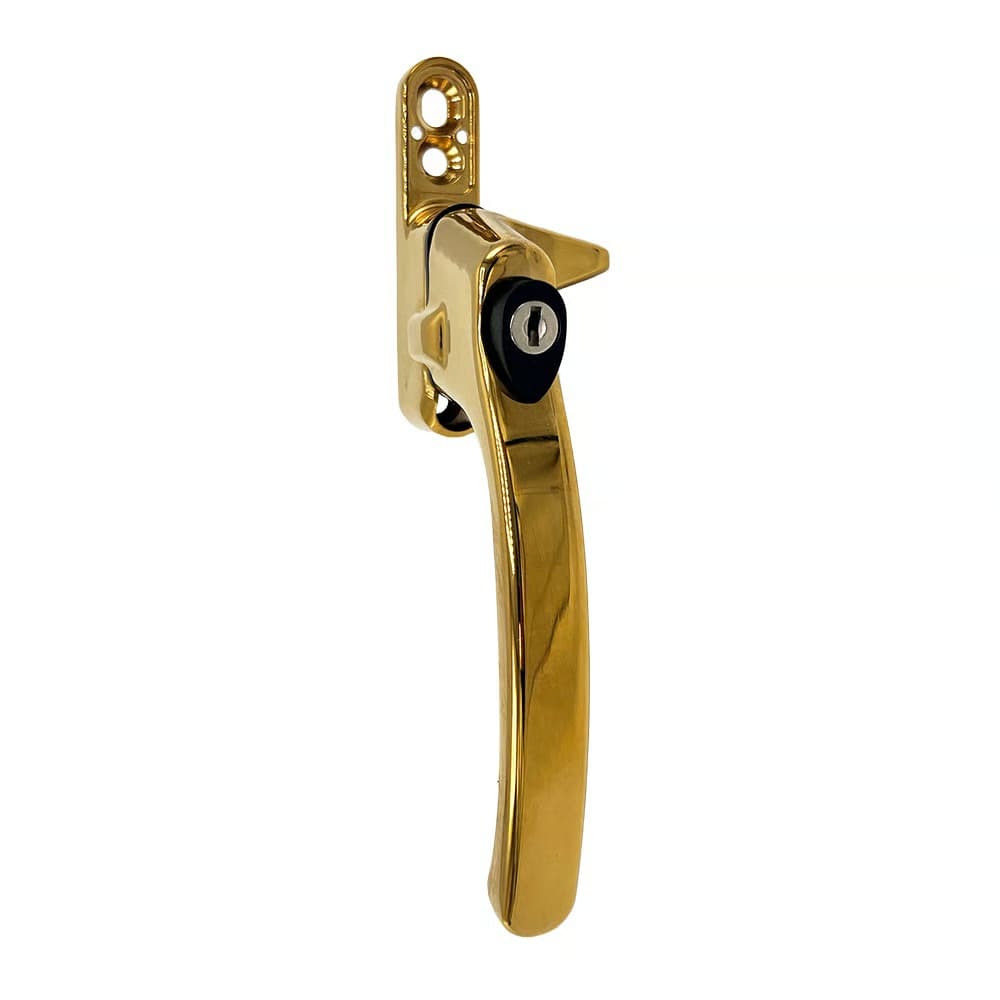
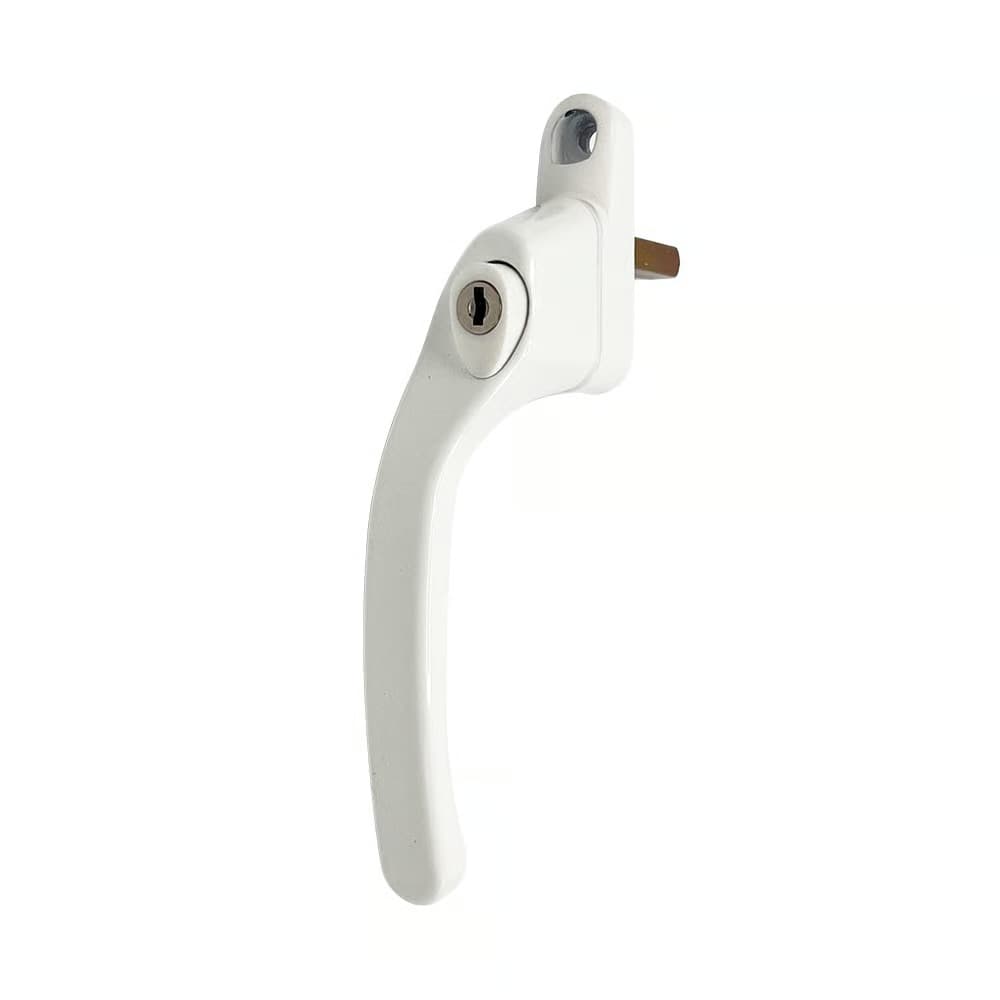
Cockspur window handles are surface-mounted handles that clamp over the window frame and engage directly with the keep or strike plate on the frame. They are commonly used on older single- and double-glazed timber and metal windows, as well as some PVC frames. Their simple mechanism makes them easy to fit and straightforward to repair, but quality varies widely between budget and premium options.
Materials and finishes: what to choose
Selection of material and finish impacts longevity and appearance. Common options include:
- Zinc alloy: affordable and reasonably durable for internal and sheltered external use. Choose a robust die-cast zinc alloy with good plating to avoid premature corrosion.
- Stainless steel: best for coastal or exposed locations where corrosion resistance is essential.
- Aluminium: lightweight and corrosion-resistant but may be less robust under heavy use.
- Brass (often lacquered): traditional appearance and good longevity, although lacquer can wear in high-traffic areas.
Key features that affect long-term performance
When assessing cockspur window handles, focus on these practical features:
- Spindle and fixing size: thicker spindles and longer, well-threaded screws provide steadier fixing and reduce wobble.
- Spur design and adjustability: adjustable spurs accommodate small misalignments and prolong the life of the keep.
- Locking mechanism: handles with an integrated lock or provision to accept a cylinder offer enhanced security and help prevent unauthorised opening.
- Replaceable parts: handles that allow replacement of the spur, cylinder or rose can avoid having to replace the entire unit.
- Certification and testing: look for handles tested to recognised standards or from reputable manufacturers for assurance of durability.
Security considerations
Basic cockspur handles are not inherently high-security devices. For improved security:
- Choose a handle with a built-in key lock or provision for a cylinder.
- Pair the handle with a strong keep fixed with long screws into solid timber rather than just into soft putty or thin glazing beads.
- Consider additional security hardware such as sash bolts or window restrictors for vulnerable ground-floor openings.
Measuring and choosing the right size
Accurate measurement prevents fitting problems and reduces time on-site. Key dimensions to record:
- Backset: distance from the centre of the fixing screw to the end of the spur or locking point.
- Fixing centres: distance between the handle's mounting screws.
- Spur length and projection: ensure the spur engages the keep without binding.
- Frame depth and glazing bead position: confirm the handle will clamp correctly without fouling the bead.
Installation tips for tradespeople
- Prepare the frame: remove paint build-up and ensure the keep area is flat so the spur sits flush and does not lever on one point.
- Use the correct screws: match screw length and type to frame material — long, coarse-thread timber screws for softwood; self-tapping screws or bolts for metal frames.
- Torque control: avoid over-tightening fixings which can crack the handle rose or strip threads, but ensure screws are firmly seated.
- Weatherproofing: for external windows, run a thin bead of suitable sealant around the rose to prevent water ingress behind the handle.
- Test operation: operate the handle several times, and if fitted with a lock, check lock engagement and key action.
Maintenance for longevity
Regular maintenance extends service life and reduces faults:
- Lubricate moving parts annually with a light machine oil or graphite where appropriate.
- Tighten mounting screws and replace any that show corrosion or thread damage.
- Check alignment of keeps and adjust as necessary; an ill-aligned keep causes excessive wear to the spur and locking parts.
- Replace worn spurs or locking barrels promptly to avoid further damage to the handle or frame.
Cost versus value: choosing the right product
For frequently used windows or exposed locations, invest a little more in corrosion-resistant materials and proven brands to avoid recurrent replacements and callbacks. For infrequently used internal windows, a standard zinc alloy model can be adequate. Tradespeople should weigh initial cost against installation time and expected lifespan — a slightly higher-priced unit often reduces long-term labour costs.
Conclusion
Selecting quality cockspur window handles involves assessing materials, locking features, fitment compatibility and maintenance requirements. Practical measurement, correct installation and routine upkeep will ensure reliable operation and prolonged life. For further guidance on choosing the right handle for different window types, consult the comprehensive Window Handles Guide.