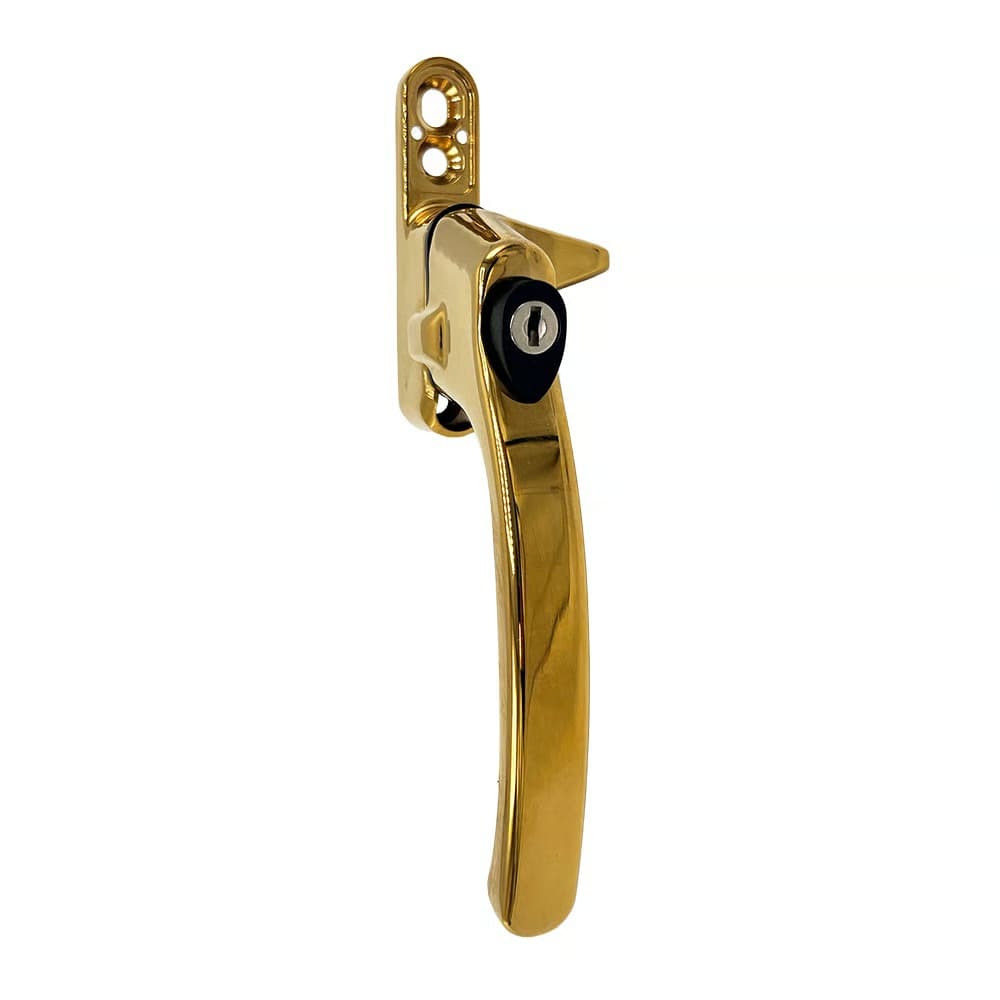
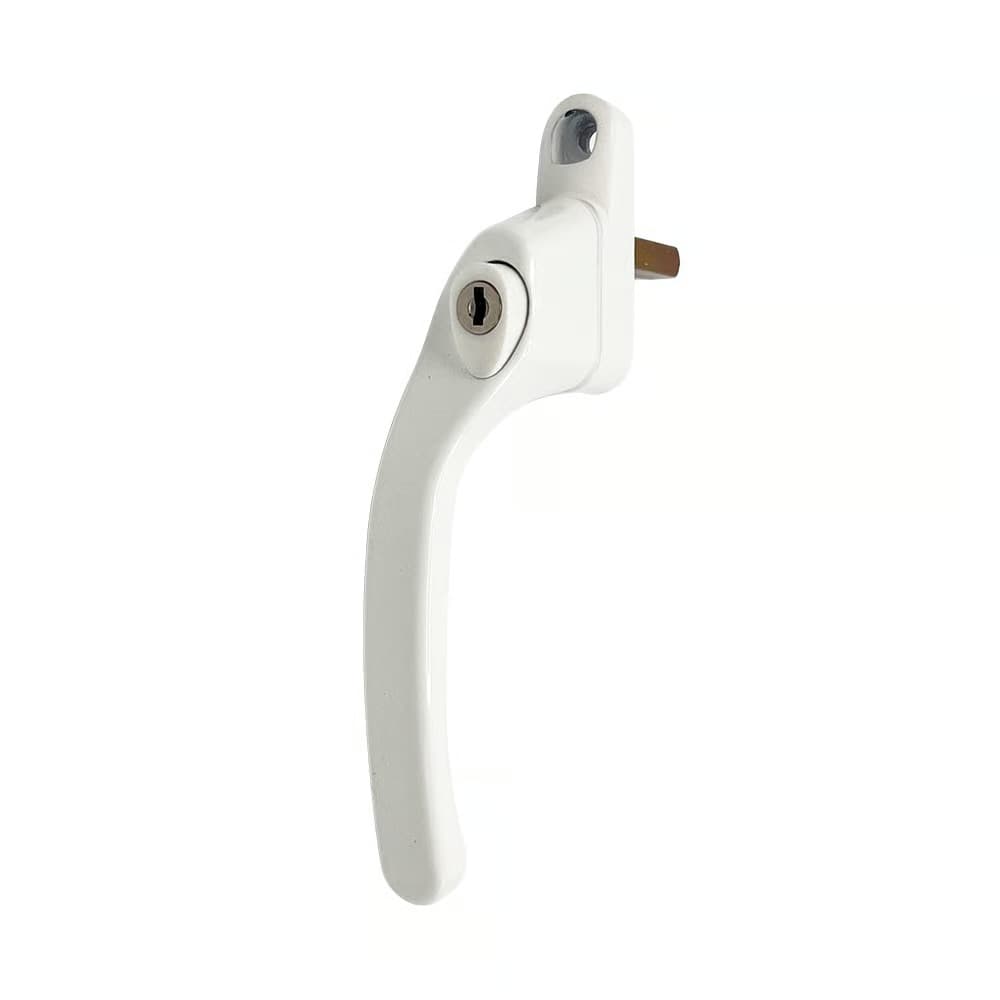
Cockspur Window Handles: FAQs on Step Height and Fixings
Cockspur window handles are a simple, long-standing solution for sliding and casement windows, common on older timber and aluminium frames. This guide answ...
Cockspur window handles are a simple, long-standing solution for sliding and casement windows, common on older timber and aluminium frames. This guide answers the most frequent questions about step height and fixings, and gives clear, actionable advice for homeowners and tradespeople who need to replace, upgrade or fit cockspur handles with confidence.
What is step height and why it matters
Step height in the context of cockspur window handles refers to the distance that the spur (the flat metal hook) projects from the backplate when the handle is closed. Correct step height is crucial because the spur must engage the window’s keeps or strike plates to lock securely. A spur that is too short will not hold the sash shut; one that is too long can prevent the window from closing flush or can damage the frame.
Typical step height options
- Many manufacturers offer a range of fixed lengths (for example 12mm, 16mm, 19mm and 22mm).
- Some modern cockspur handles include trim spurs or shims to accommodate small differences.
- For unusually shaped or thick frames, an adjustable or longer spur may be required.
- Close the window and mark where the existing spur contacts the keep, or measure the distance from the inside face of the backplate to the tip of the spur.
- If replacing an existing handle, remove it and lay it on a ruler to confirm the step height.
- If the old handle is missing, measure the gap between the frame edge and the sash face where the spur should sit; add a couple of millimetres allowance to ensure engagement.
Choosing the right handle for the job
Match the handle design and finish to the window material and security needs. A basic cockspur suits secondary glazing and internal rooms, while a higher security option is appropriate for ground-floor or accessible windows.
Recommended options
- The TSS Cockspur Window Handle is a versatile, widely used choice for timber and aluminium frames.
- For higher-security retrofits on espagnolette-style windows, the TSS Cockspur Window Handles can be considered—note that espag handles use a different locking mechanism and require an espagnolette gearbox rather than a spur.
- The TSS Offset UPVC Window Handles provides a durable finish and reliable action suitable for frequent use.
Fixings: screws, plates and installation tips
A secure fixing depends on correct screw type, pilot holes and an even backplate fit.
Screw types and sizes
- Use countersunk wood screws for timber frames; stainless steel 3.5–4.0mm screws are common.
- For metal frames, use self-tapping metal screws or rivets sized to the handle’s fixing holes.
- If replacing handles on a uPVC frame with threaded inserts, use machine screws (typically M4 or M5) into the inserts.
Additional tips
- Use small shims under the backplate if the frame surface is uneven.
- Apply a small drop of threadlocker on machine screws where vibration could loosen fittings.
- Replace worn keeps and ensure they are aligned; a misaligned keep is the most common cause of a newly fitted handle failing to lock properly.
Security and maintenance
While cockspur window handles are straightforward, security can be improved without replacing the whole window.
Security upgrades
- Fit anti-lift or anti-snap keeps and reinforced strike plates to reduce forced entry.
- Consider keyed or thumbturn versions of cockspur handles for higher security on ground-floor windows.
- For the strongest upgrade, move to a multi-point espagnolette system and an associated espag handle where practicable.
- Lubricate the spur pivot and any keep contact points annually with a light oil or silicone spray to prevent sticking.
- Tighten screws periodically, particularly on doors or windows that experience heavy use.
- Replace corroded or bent spurs promptly — a damaged spur will not engage reliably and can cause further wear to the window frame.
Common installation pitfalls to avoid
- Incorrect measurement of step height: always measure from the backplate face to the spur tip, not from the hinge or sash edge.
- Ignoring keep alignment: even a perfectly sized spur will fail if the keep is out of line. Adjust or replace keeps before blaming the handle.
- Over-tightening fixings: this can strip uPVC, crack timber or deform the backplate, leading to operational issues.