Cockspur Window Handles for uPVC: Are They Common?
Cockspur window handles remain a recognisable item on many uPVC windows across the UK. For homeowners and tradespeople assessing repairs, replacements or u...
Cockspur window handles remain a recognisable item on many uPVC windows across the UK. For homeowners and tradespeople assessing repairs, replacements or upgrades, understanding how common they are, where they work best and what to check before buying saves time and prevents mistakes. This article explains the characteristics of cockspur window handles, how they compare with other types, and practical steps for fitting and maintaining them.
What are cockspur window handles?
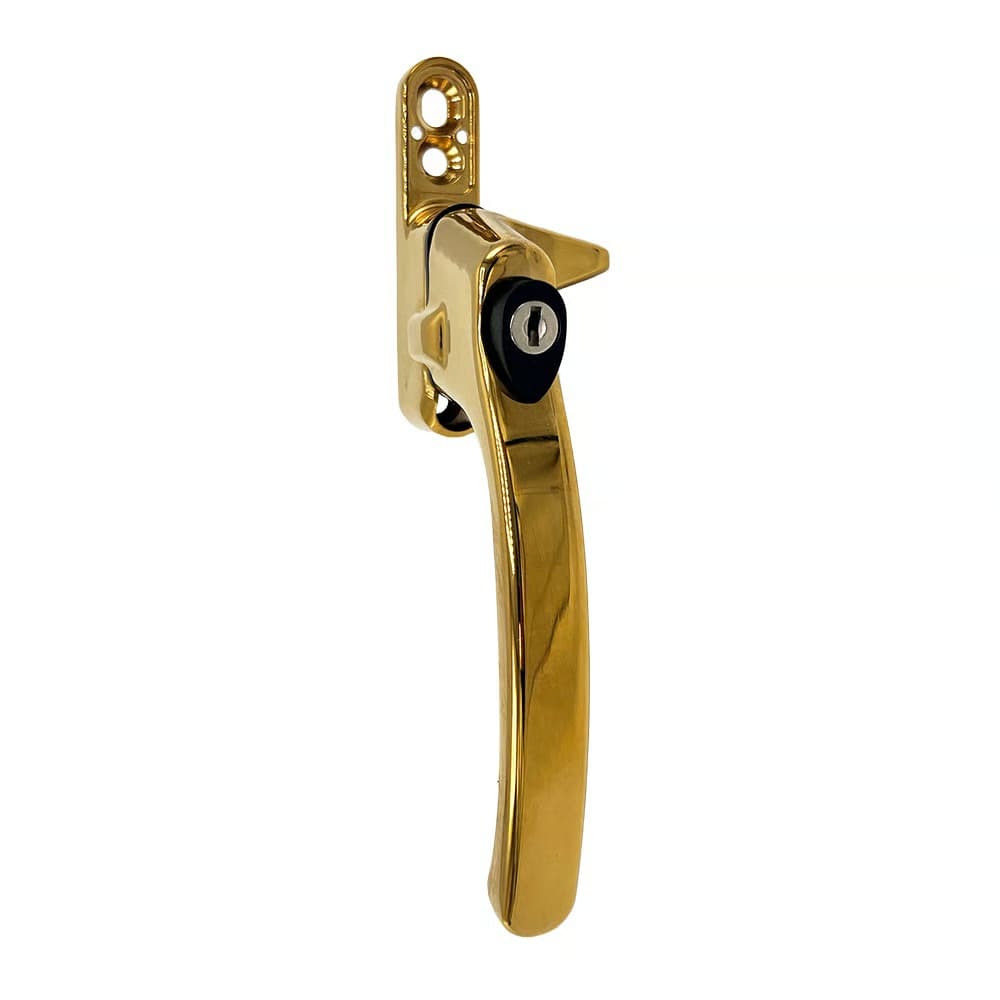
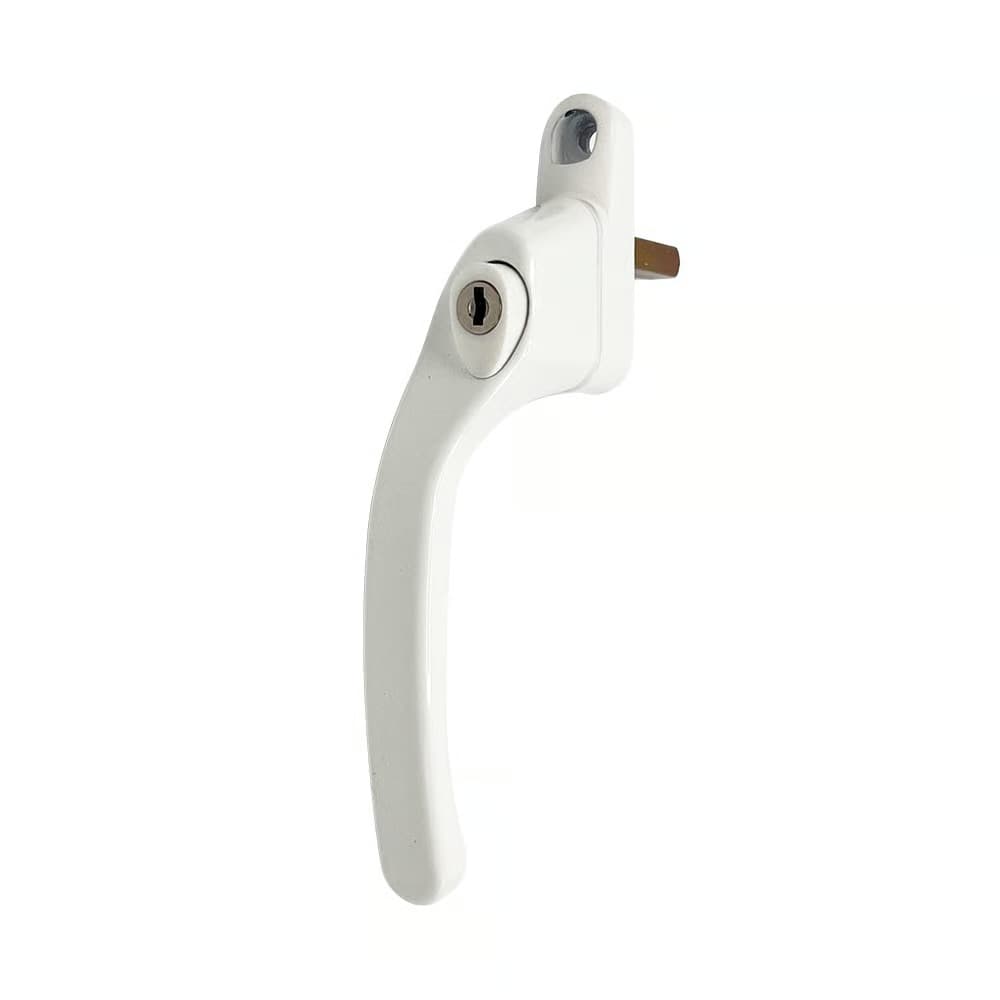
Cockspur window handles are surface-mounted handles that hook over the window frame to secure the casement. They latch against a keep (strike plate) rather than operating an internal espagnolette mechanism. On uPVC windows, cockspur handles often appear as a simple lever that rotates to engage a small metal spur into a corresponding keeper fixed to the frame.
These handles are typically non-locking or offer a basic locking function. They are most commonly found on older installations or on low-risk locations such as upstairs rooms and internal windows. Modern multipoint locking with espagnolette gear has reduced their prevalence on newer uPVC installations.
How common are cockspur window handles on uPVC?
Cockspur handles are common on uPVC windows installed in the 1980s and 1990s and remain present on many period replacements. However, they are less common on recent uPVC upgrades, where espag handles that operate the internal locking gear are favoured for better security and weather performance. Cockspur handles continue to be specified in certain situations:
- Where simplicity and low cost are priorities
- For older frames that lack an espagnolette gearbox
- On small or secondary windows where full multipoint locking is not required
Comparing cockspur and espag (espagnolette) handles
Understanding the differences helps choose the right replacement:
- Security: Espag handles operate a multi-point locking mechanism and provide superior security. Cockspur handles rely on the strength of the single spur and keeper, offering lower resistance to forced entry.
- Weather sealing: Espag systems compress gaskets around the frame for better draught and rain resistance. Cockspurs can allow slight movement and are less effective at sealing.
- Installation: Cockspur handles are surface-mounted and generally easier and faster to fit. Espag replacements may require internal gearbox alignment and new screw centres.
- Cost: Cockspur handles are typically cheaper to buy and install, though trade-offs in security and performance should be considered.
Practical checks before buying a replacement
1. Identify the mechanism: Confirm whether the existing handle is truly a cockspur (surface hook) or an espag handle (turns and operates an internal rod). Visual inspection of the window edge will show a spur or an escutcheon for a spindle. 2. Measure screw centres: Cockspur handles are secured with two through-screws. Measure the distance between screw centres to ensure compatibility with the new handle. 3. Check handle projection and clearance: Ensure the new handle will not hit adjacent frame parts or obstruct curtains/blinds when operated. 4. Confirm handedness: Determine whether the handle is left- or right-handed based on which way the spur hooks over the frame when closed. Some handles are reversible, but many are handed. 5. Consider security needs: For ground-floor windows or vulnerable areas, favour locking espag handles. For upstairs bedrooms or low-risk rooms, a cockspur may be adequate.
Fitting and replacement tips
- Tools: screwdriver (appropriate heads), tape measure, spirit level, pencil and a template if supplied.
- Remove the old handle by loosening both screws. Keep the old screws in case new ones do not fit the existing thread lengths.
- Clean the frame and check the keeper: Ensure the keeper is not worn or loose. A damaged keeper can compromise the effectiveness of a new cockspur handle.
- Align the new handle: Offer up the replacement and mark screw positions if the holes differ. Pilot holes may be required for neat fitting.
- Use correct fixings: For uPVC frames, use pan-head or countersunk screws recommended by the handle manufacturer to avoid cracking.
- Test operation: Operate the handle several times to confirm smooth movement and correct engagement. Adjust the keeper position slightly if the spur does not engage fully.
Maintenance and security upgrades
Regular basic maintenance prolongs life and helps performance:
- Lubricate pivot points annually with light machine oil or a silicone spray. Avoid thick greases that attract dirt.
- Tighten screws periodically; loose fixings can allow movement and wear.
- Replace worn keepers and spurs promptly. A compromised keeper reduces security and may cause rattles.
- For owners concerned about security, consider replacing multiple cockspur handles with locking espag handles or fitting keyed cockspur designs where available.
Summary
Cockspur window handles are still common on many existing uPVC windows, especially older installations and secondary windows. They remain a viable, low-cost option for straightforward situations, though they do not match the security or weather performance of modern espagnolette systems. Accurate identification, measuring screw centres, checking keepers and selecting the correct handedness are essential steps before replacing any handle. Where security or performance are priorities, upgrading to espag handles provides significant advantages.