Window Handles
Cockspur Window Handles: Installation Guide (Tools and Steps)
Cockspur window handles are a common choice for casement and sliding windows in the UK because of their simplicity, robust operation and cost-effectiveness...
Window Hardware Store Team
17 March 2026
5 min read
Cockspur window handles are a common choice for casement and sliding windows in the UK because of their simplicity, robust operation and cost-effectiveness. This guide covers the tools required, step-by-step installation for replacement or new fitting, adjustment tips and common troubleshooting. Content is written for homeowners and tradespeople needing practical, actionable instruction.
Tools and materials required
Gather the following items before starting to ensure a smooth installation:- Cross-head and flat-head screwdrivers (various sizes)
- Torx drivers (T10–T25 commonly required)
- Electric drill with suitable bits (3–6 mm)
- Tape measure and pencil
- Centre punch or awl
- Masking tape (to protect frame and mark positions)
- Replacement handle set (spindle, screws and keeps)
- Silicone or neutral-cure sealant (for any frame holes)
- Safety glasses and work gloves
Understanding cockspur window handles
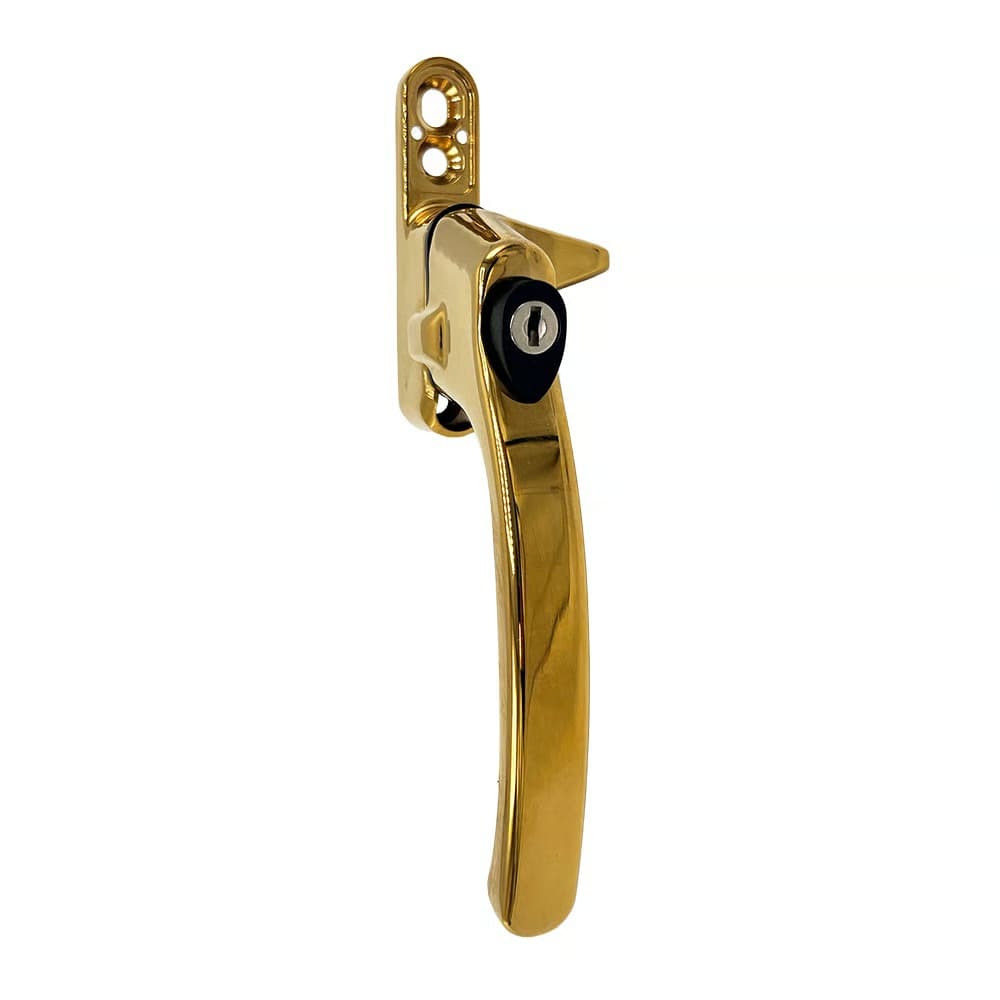
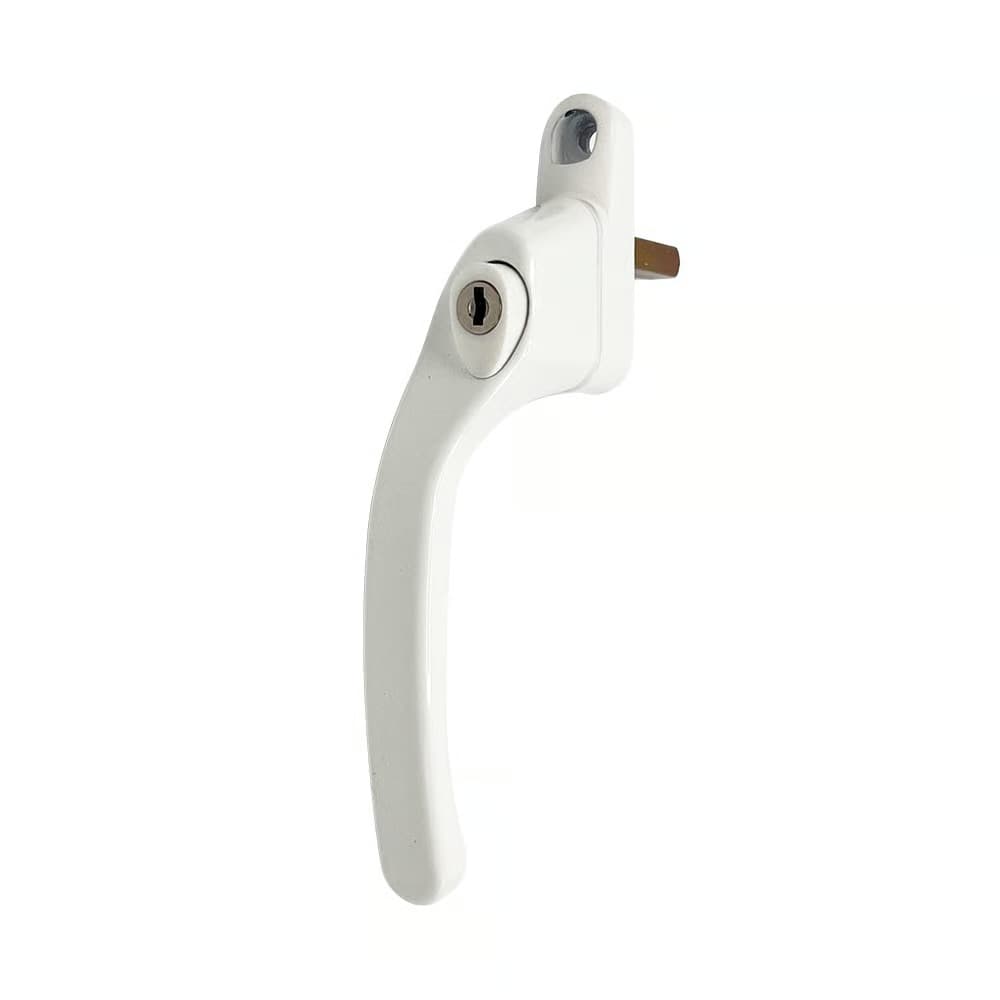
A cockspur handle has a projecting “spur” that hooks over the frame when closed, securing the window. Installation is straightforward but requires attention to alignment: the spur must engage the frame keep firmly without lifting the sash. This system is commonly non-lockable, though some models include a locking version. Use of the correct screw type, length and position is important to prevent damaging the PVC-u or timber profiles.Pre-installation checks
- Confirm the handle is the correct handedness (left or right) and fits the sash thickness and profile.
- Inspect the existing keep on the frame for wear or cracked plastic; a worn keep will prevent secure engagement.
- Ensure the lock backplate or boss on the handle aligns with the existing mounting holes. If holes do not align, mark new positions carefully.
- Check for any glazing beads or seals that might obstruct access.
Removing the old handle
1. Open the window and support the sash to prevent it dropping. 2. Peel back any rubber cover caps on the handle to expose screws. 3. Unscrew the fixings using the appropriate screwdriver or Torx driver, holding the handle firmly to prevent it falling. 4. Slide out the handle from the spindle and remove any remaining boss or rosette. Clean the area and remove old sealant or debris.Installing the new cockspur handle — step by step
1. Position the new handle onto the spindle and align the boss with the pre-existing screw holes. If the handle set includes a template, apply masking tape and mark pilot hole centres with a pencil. 2. Use a centre punch or awl to indent the marked screw points to prevent the drill bit wandering. For PVC-u frames, use a low-speed drill and a narrow bit to create pilot holes. 3. Insert the spindle into the handle and seat the boss or escutcheon flush against the sash. 4. Fit the screws by hand initially to ensure correct alignment. Tighten them progressively and evenly with a screwdriver — avoid over-tightening which can deform plastic profiles. 5. Check the spur action by closing the window slowly to ensure the spur engages the keep without lifting the sash. If the spur does not fully engage, minor adjustment of the keep or handle position may be required. 6. Replace any cover caps, and operate the handle several times to verify smooth action.Adjusting frame keeps and alignment
If the spur doesn’t engage or the sash lifts, adjustment is typically made at the keep:- Many metal keeps permit slight lateral and vertical movement via slotted screw holes. Loosen the keep screws slightly, shift the keep into the correct position then retighten.
- For plastic keeps with fixed positions, channelling or filing may be necessary to create a deeper pocket for the spur, taking care not to remove structural material.
- On timber frames, minor rebating or packing behind the keep can correct alignment.
Common problems and fixes
- Loose handle or spindle wobble: Ensure short, correct-profile screws are used and that the spindle fully seats inside the handle boss. Replace stripped fixing holes with slightly larger screws and plastic plugs if necessary.
- Handle stiff or sticky: Apply light lithium grease to moving parts and check for paint or debris obstructing the spur. Excess sealant around the boss can restrict movement.
- Spur hits frame without catching: Realign or reposition the keep; check for frame warping or loose hinges altering sash position.
- Corrosion or wear: Replace heavily corroded metal keeps or spurs. Consider a higher-grade replacement such as the TSS Cockspur Window Handle which is available in various finishes for improved longevity.
Safety and best practice
- Never force a handle; forcing can break the boss or damage the spindle. Gentle incremental adjustment is safer and more effective.
- Use protective eyewear when drilling into frames and powder masks when removing old sealant or paint.
- Keep a record of screw sizes and handle model for future maintenance and replacement ordering.
- For high-security requirements, consider replacing non-lockable cockspur handles with lockable variants or alternative locking systems, taking care to ensure compatibility with existing multi-point hardware.
Maintenance tips
- Lubricate moving parts annually with a silicone or light oil lubricant.
- Clean profiles and keeps regularly to prevent build-up of dirt which can impede engagement.
- Inspect fixings and keeps for signs of loosening or corrosion and tighten/replace as necessary.
cockspurwindow handlesupvc