Cockspur Window Handles: What They Are and How They Work
Cockspur window handles are a common and practical choice for casement and sliding windows across the UK. Durable, straightforward and cost-effective, thes...
Cockspur window handles are a common and practical choice for casement and sliding windows across the UK. Durable, straightforward and cost-effective, these handles provide secure locking and straightforward operation for both homeowners and tradespeople. This article explains what cockspur window handles are, how they work, how to maintain and fit them, and how to select the right model for a particular application.
What are cockspur window handles?
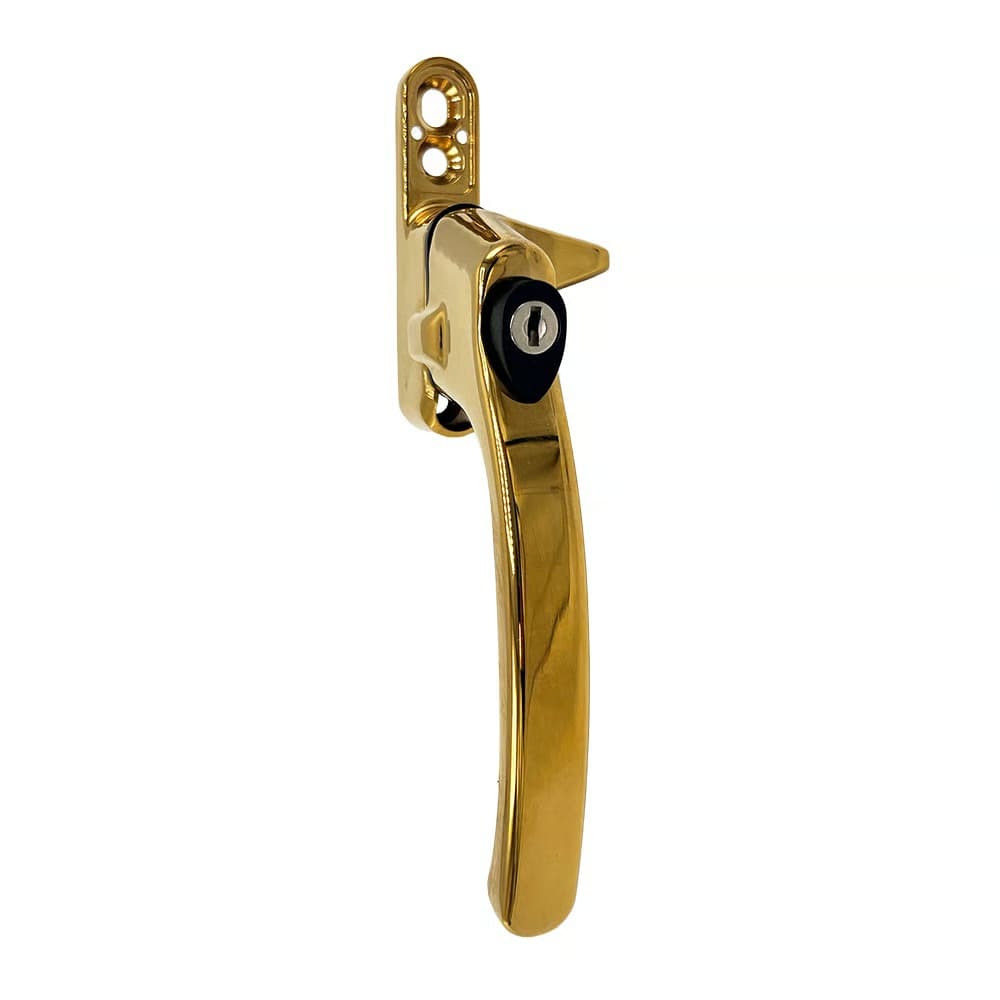
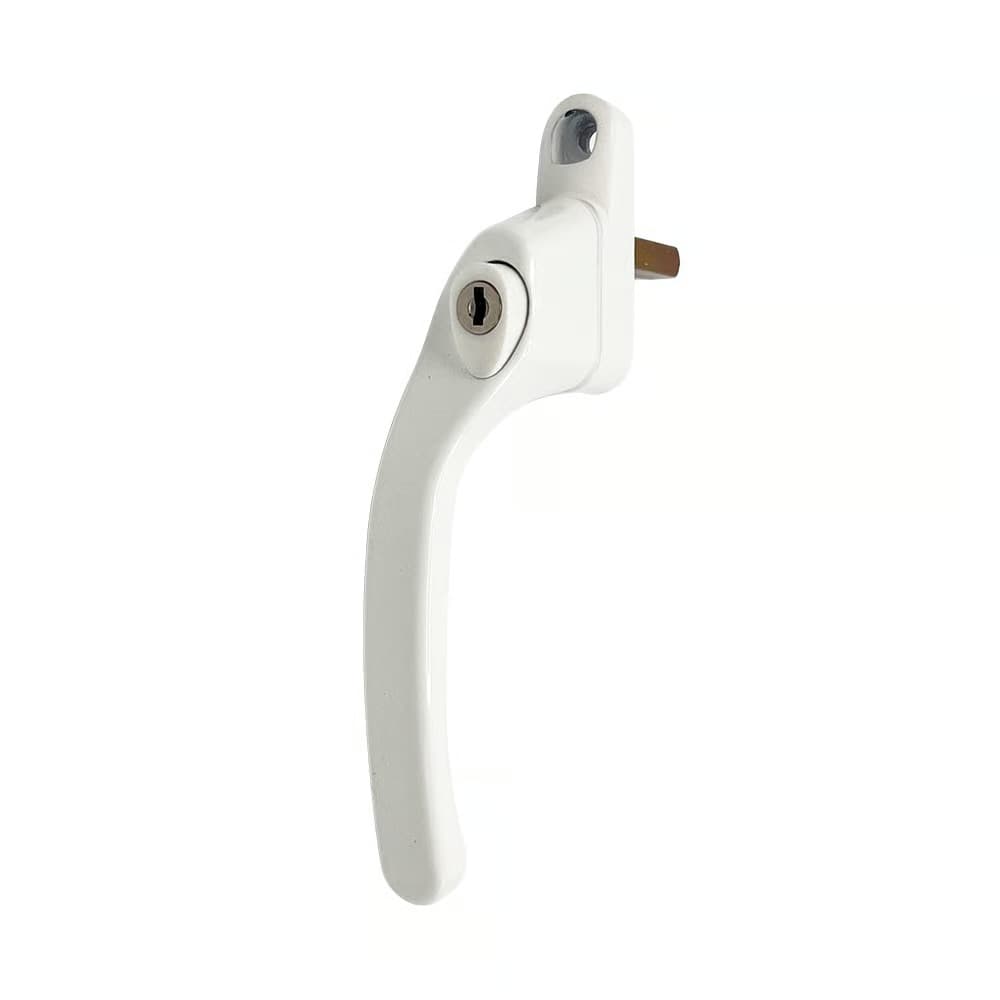
Cockspur window handles are surface-mounted handles used mainly on uPVC and aluminium casement windows. They consist of a lever attached to a central rose or backplate that operates a hook or cam profile which engages with a keepscrew or strike plate on the window frame. The name “cockspur” comes from the hook-like shape of the latch when in the locked position.
These handles are available in a range of finishes and designs, from simple utilitarian options to more decorative styles. They are often used where a retro-fit or economical locking solution is required, and are popular in rental properties, older homes and commercial settings.
How cockspur window handles work
The mechanism is simple: rotating the handle engages the cockspur into a strike plate on the frame, pulling the sash tight and preventing the window from opening. Most models include a lock cylinder or key to secure the handle in the closed position, preventing unauthorised opening from inside or outside.
Operation steps:
- Turn the handle to engage the cockspur hook into the striker on the frame.
- For locking models, insert and turn the key to secure the handle in place.
- To open, unlock (if necessary) and rotate the handle back to release the cockspur.
Types and when to use them
There are several variations:
- Non-locking cockspur: Basic lever without a key. Suitable for internal rooms where security is not critical.
- Locking cockspur: Incorporates a key-cylinder for added security; ideal for ground-floor or vulnerable windows.
- Reversible cockspur: Can be fitted for left- or right-handed windows, useful for stock flexibility on site.
- Long-spindle models: For thicker window profiles or specific retro-fit needs.
Choosing the right cockspur handle
Select a cockspur based on these practical criteria:
- Locking requirement: Choose locking models for external-facing windows or where child safety is a concern.
- Spindle length and backplate size: Measure existing spindle and screw centres to ensure compatibility. Tradespeople should carry a selection of common sizes.
- Finish and corrosion resistance: For coastal properties choose corrosion-resistant finishes or stainless variants.
- Reversibility: A reversible cockspur reduces the need for left/right specific stock.
Practical fitting and replacement advice
Fitting or replacing a cockspur handle is straightforward for a competent DIYer or tradesperson with basic tools. Standard steps: 1. Remove the old handle by unscrewing the fixings on the rose or backplate and withdraw the spindle. 2. Check the spindle length and screw-centre measurement; match these to the replacement handle. 3. Slide the replacement handle’s spindle through the sash spindle-hole, align the backplate and secure with screws. 4. Test operation several times, ensuring the cockspur engages smoothly with the strike plate; adjust the strike plate position if necessary. 5. For locking models, confirm key operation and that the handle locks firmly without excessive play.
Tools required: cross-head screwdriver, tape measure, pencil, and a small file or chisel for minor strike plate adjustments. When a strike plate needs to be moved, remove and re-position it slightly to improve engagement. Avoid forcing the handle as this can damage the sash or strip threads.
Maintenance and troubleshooting
Regular maintenance extends service life:
- Clean moving parts with a mild detergent and wipe dry. Avoid abrasive cleaners that remove protective finishes.
- Lubricate the spindle and cockspur pivot annually with a light machine oil or silicon spray to keep action smooth.
- Tighten any loose fixings; replace stripped screws with slightly larger ones if necessary.
- For sticking or misalignment, check for paint build-up on the strike and remove debris from the sash rebates.
- Handle loose: Tighten mounting screws; replace damaged spindle or rose if worn.
- Cockspur not engaging: Adjust strike plate position or check for warped frame; replace degraded keepscrews.
- Key won’t turn: Apply graphite powder or latex-free lock lubricant to the cylinder; avoid oil-based lubricants that attract dirt.
Security considerations
Cockspur handles offer reasonable security when fitted correctly, especially locking models. For enhanced protection on vulnerable windows:
- Use a handle with a high-quality integral cylinder and anti-snap features where possible.
- Pair with robust strike plates fixed with long screws into the frame substrate.
- Consider supplementary security such as window restrictors or a secondary bolt for accessible ground-floor windows.
Summary
Cockspur window handles are a durable, practical choice for many casement windows, offering simple operation, easy maintenance and cost-effective replacement. Selection should be guided by locking needs, measurements and finish requirements. Proper fitting, routine lubrication and occasional adjustments keep cockspur handles functioning well for years, making them a sensible option for both homeowners and tradespeople tackling repair or refurbishment projects.