Window Handles
Common Cockspur Window Handle Problems: Slipping and Poor Closure
Cockspur window handles are a common fitting on older timber and aluminium windows. Two of the most frequent complaints from homeowners and tradespeople ar...
Window Hardware Store Team
11 March 2026
5 min read
Cockspur window handles are a common fitting on older timber and aluminium windows. Two of the most frequent complaints from homeowners and tradespeople are slipping — where the handle turns without engaging the latch — and poor closure, where the sash does not pull tight against the frame. Both problems are often caused by simple wear or misalignment and can be resolved with straightforward diagnosis and repair, or by replacing the handle and associated components.
Understanding the common faults
Slipping
- Slipping occurs when the handle turns but fails to capture or operate the locking plate or keep. Causes include worn mating surfaces, stripped splines on the spindle, a loose or broken grub screw, or sheared pins inside the handle mechanism.
- On older installations, corrosion or paint build-up can prevent the cockspur’s claw from seating correctly, giving the impression of a working handle that does nothing.
- Poor closure is usually a sign of misalignment between the cockspur claw and the keep on the frame. It can also result from compression set in seals or swelling of timber sashes.
- A handle that feels stiff but will not fully draw the sash indicates binding, possibly from loose hinges, warped frame, or an incorrect handle length or throw.
Initial diagnosis — what to inspect
- Visual check: Remove paint and dirt around the handle and keep so parts can engage freely. Look for cracked or bent claws, damaged keeps, stripped splines, and missing screws.
- Operation test: Operate the handle while observing the claw and keep. Note whether the claw reaches the keep, whether it sits fully home, and whether movement is smooth or jerky.
- Check fixings: Ensure the handle backplate and the keep are secure. Loose fixings can allow movement that mimics worn components.
- Spindle and grub screw: Slide out the handle (after removing the grub screw or fixing screw) to inspect the spindle and handle socket. A rounded or worn spindle end needs replacement.
Practical repairs that often fix slipping
Tighten and clean
- Remove the handle and clean mating surfaces with a mild solvent to remove paint, grease and corrosion. Lightly abrade with fine emery if surfaces are glazed.
- Tighten all screws and replace any that are corroded. Replace worn grub screws; a new M4 or M5 grub screw can restore a solid drive to the spindle.
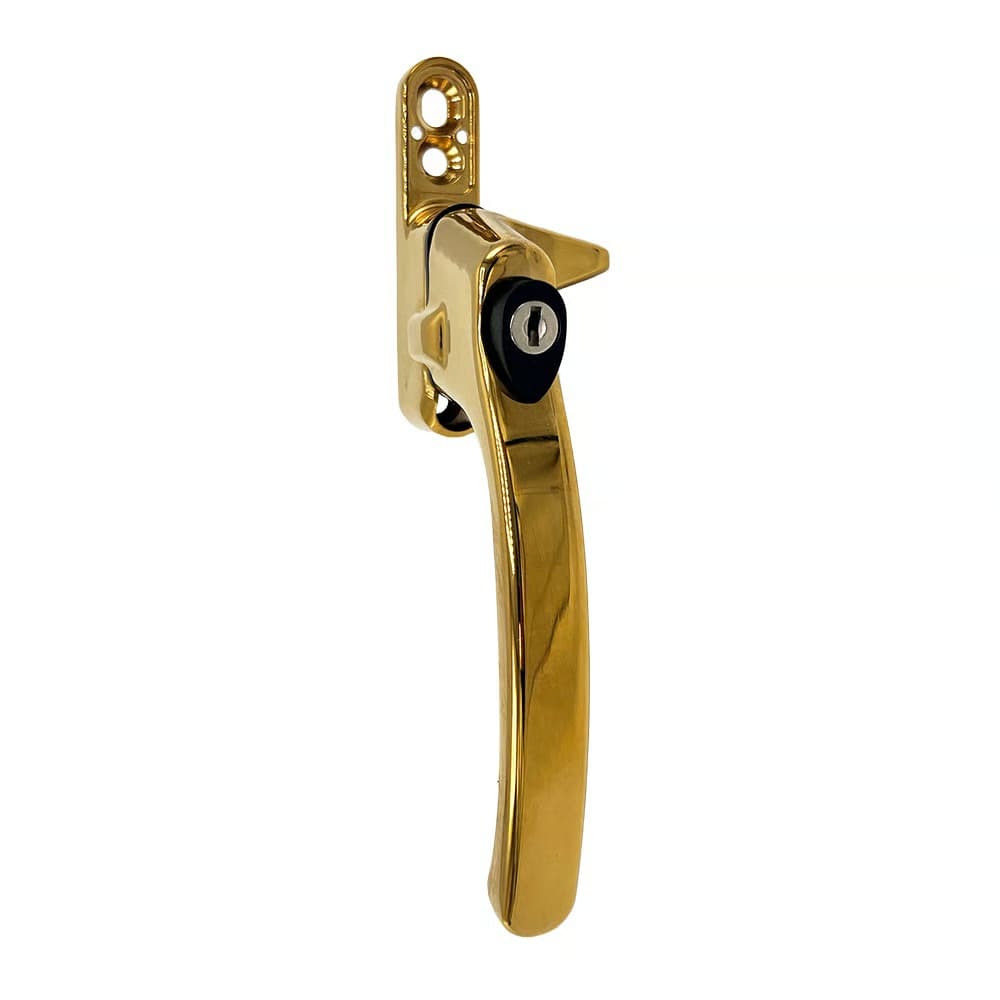
- Replace the handle if the socket or claws are stripped. Cockspur handles are inexpensive and simple to swap. The TSS Cockspur Window Handle is a commonly used direct replacement that matches many existing installations and resolves slipping caused by damaged grips or spindles.
- If the claw does not reach the keep, fit a deeper or longer-spurred handle or reposition the keep slightly to achieve correct engagement. Small adjustments to the keep position (move 2–3 mm) can often eliminate slipping without major work.
- Use corrosion-resistant keeps and handles in coastal areas to reduce future seizing and slipping.
Fixes for poor closure and alignment
Adjust keeps and hinges
- Loosen the keep screws and move the keep incrementally towards the sash until the claw sits fully into the keep when operated. Re-tighten screws and test operation repeatedly.
- Check hinges and friction stays for wear or play; tighten hinge screws, replace damaged hinges, or add hinge shims to correct sash alignment. A sash that tilts will not close properly even with a perfect handle.
- If seals have compressed or timber has swollen, plan to replace seals or plane the sash where appropriate. A weather-stripe replacement can restore compression and improve closure without replacing the handle.
- For painted timber windows, carefully plane or sand high spots and re-paint to prevent re-binding.
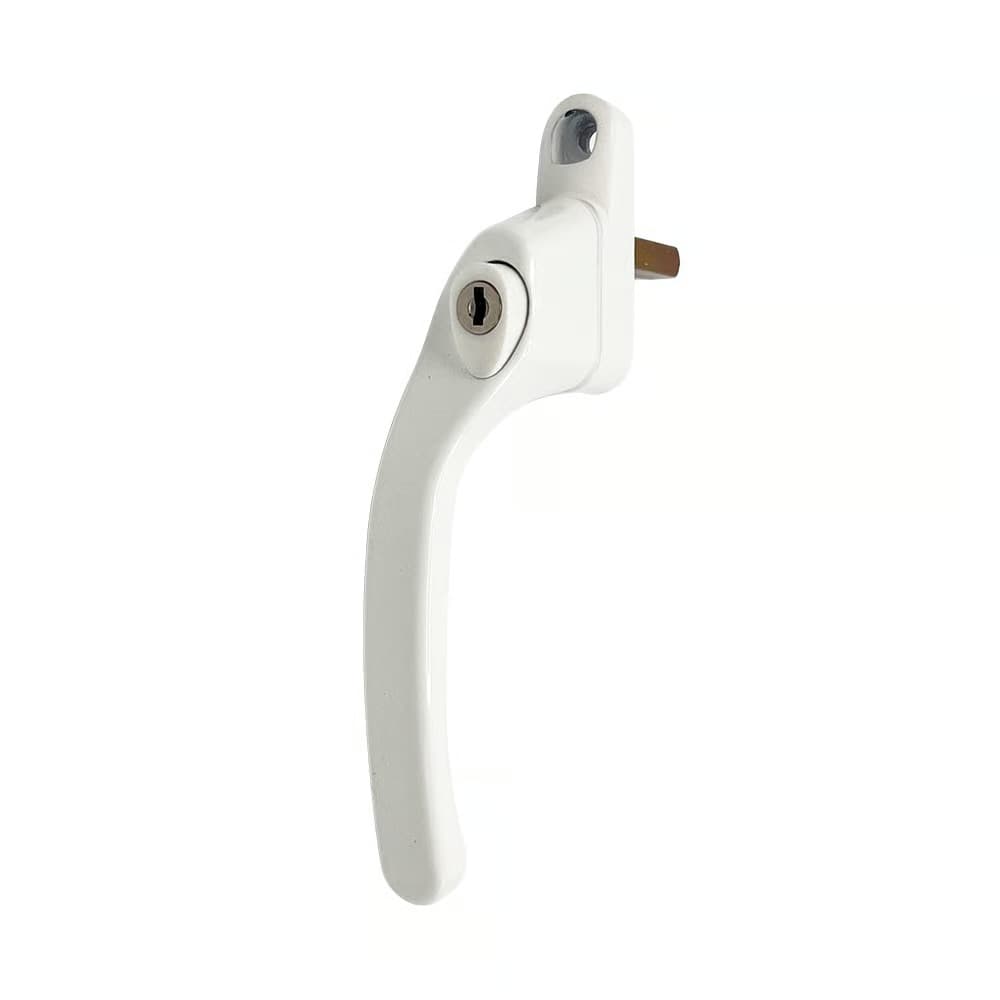
- Some handles have a short throw and limited engagement; swapping to a handle with a longer spur or different geometry can produce better draw. For aluminium casement windows, an espag handle may be preferable; the TSS Cockspur Window Handles is an example of a robust alternative for certain applications.
When to replace rather than repair
- Worn or cracked claws, stripped internals, fractured spindles, or repeated seizing are signs to replace the handle. Replacement is often more cost-effective than attempting complex repairs on degraded components.
- If window hardware is aged and multiple parts (handles, keeps, hinges) show wear, consider a coordinated replacement to ensure reliable operation and security.
Installation tips for a reliable repair
- Fit handles so the spur fully engages the keep without forcing the mechanism; excessive downward pressure can bend parts over time.
- Use stainless steel screws for coastal installations to minimise corrosion and future loosening.
- Lubricate moving parts lightly with a dry silicone spray or a graphite-based lubricant; avoid oil-based greases that attract dust and gum up operations.
- Match backplate centres and spindle sizes when ordering replacements; common spindle sizes are 7 mm or 8 mm square and backplate centres vary, so measure before purchase.
Security and compliance considerations
- Replacement handles should meet necessary security and standard requirements for the property. Upgrade to a handle with anti-jemmy features or secure fixings where security is a concern.
- When upgrading multiple windows, standardise on one handle type and stock to simplify maintenance and spare-part sourcing. The TSS Offset UPVC Window Handles offers a modern, secure option for a range of window types.
Final checks and routine maintenance
- After repair or replacement, cycle the window several times and check that the sash draws fully home and seals consistently.
- Perform a simple annual check: clean, lubricate, and tighten fixings. Early attention to small loosening or corrosion prevents slipping and poor closure from developing into larger problems.
cockspurwindow handlesupvc