
Common Shootbolt Installation Errors and How to Fix Them
Shootbolts are a common component of espagnolette multi-point locks on casement and French windows. When they are fitted incorrectly the locking action can...
Shootbolts are a common component of espagnolette multi-point locks on casement and French windows. When they are fitted incorrectly the locking action can be stiff, unreliable or may prevent the window from reaching full compression; this reduces weather performance and security. Below are the typical shootbolt installation errors encountered by both trade installers and DIYers, with clear, practical fixes and trade tips.
Common causes of shootbolt problems
Understanding why a shootbolt does not operate correctly makes the repair quicker. The most frequent causes are:
- misalignment between the shootbolt and keep plate;
- incorrect faceplate or keep depth leading to binding;
- wrong screw types or lengths causing movement or damage to the mechanism;
- obstruction from glazing beads, sealant or paint;
- over-tightening or under-tightening of fixings affecting geometry;
- incompatible shootbolt length or throw for the sash and frame configuration;
- lack of lubrication or corrosion causing stiff action.
Tools and materials you will need
Having the correct kit reduces the risk of further harm to the window. Typical tools and materials include:
- Screwdrivers and Pozi/Phillips/torx bits to suit the lock screws;
- drill with brad point bits for timber and suitable cutters for aluminium or PVCu;
- centre punch, chisel and router or planer for rebated keeps;
- files and a Dremel or rotary tool for fine adjustments;
- spare keeps and adjustable keep plates where possible;
- stainless steel screws: correct length and thread for the substrate;
- silicone spray or light machine oil for lubrication; graphite powder for lock cylinders if required;
- packers and shims for setting compression; multi-purpose sealant for finishing.
Fixes for alignment and binding
Problem: The shootbolt binds in the keep or will not fully engage when the espagnolette is locked.
- Check sash/frame alignments: Close the sash and mark the exact point where the bolt meets the keep using a pencil; open the sash and compare with the fixed keep position to see if the keep is high or low.
- Adjustable keeps: If fitted, loosen the screws, move the keep slightly and re-tighten. This is the quickest trade fix for minor misalignment.
- Rebate the frame or sash: For larger adjustments, chisel or router the keep recess deeper or higher so the bolt enters freely; test before sealing or repainting.
- File or widen the keep mouth: Use a round file or Dremel to remove burrs and create clearance for the bolt throw; remove small amounts and test frequently.
Fixes for incorrect faceplate or screw issues
Problem: Faceplate sits proud or screws pull through the sash; shootbolt moves in the mortice when operated.
- Correct depth of mortice: The lock faceplate must sit flush with the sash edge; remove the lock, deepen the mortice with a chisel or router and re-fit.
- Screw selection: Use screws that engage a minimum of 20mm in timber or the correct thread engagement for PVCu and aluminium; stainless steel screws resist corrosion.
- Use packers: If the sash edge is thin or rot-damaged, glue in hardwood packers before re-drilling screw holes; this prevents screws from pulling out under load.
- Countersinking: Avoid countersinking too deep; the faceplate should compress but not distort the lock body.
Fixes for obstructed operation and seal interference
Problem: Seal, bead or sealant interferes with shootbolt travel, or the window is hard to close before locking.
- Check glazing beads: Ensure beads are not fitted too tightly over the sash frame where the shootbolt passes. Loosen and reposition beads if they are catching.
- Sealant and paint: Remove any excess sealant, paint or debris around the keep and faceplate. Use a scraper and fine abrasive paper to clean contact surfaces.
- Compression setting: If the window is hard to close but locks only with excessive force, reduce compression by adjusting the espagnolette keep points or adding packing to the frame as appropriate.
Replacing or modifying shootbolts and keeps
Problem: Shootbolt length or throw is too short or the keep design is incompatible.
- Measure the required throw: With the window closed, measure from the centre of the shootbolt body to the desired engagement point on the frame. Order the correct shootbolt length or a compatible espagnolette with the required throw.
- Use extended keeps: For deeper engages use keep plates with extended pockets or U-shaped keeps that accept longer bolt travel.
- Retrofit adjustable or adjustable-depth keeps: These allow small changes without re-morticing and are a good solution for installers working across multiple profiles.
Lubrication, maintenance and environmental issues
Problem: Shootbolt is stiff or corroded; action becomes gritty over time.
- Lubrication: Use a silicone spray or light machine oil on the moving parts of the shootbolt; avoid heavy grease that attracts dust. For lock cylinders use graphite; do not mix grease types.
- Corrosion protection: For coastal properties use stainless or galvanised components and consider a protective silicone after lubrication.
- Regular maintenance: Inspect and lubricate moving parts every 12 months; check screw tightness and re-adjust keeps as timber settles or as PVCu profiles creep.
Testing and final checks
Before declaring the job finished, perform these final tests:
- Operate the handle through its full cycle and lock/unlock the shootbolts several times; action should be smooth with no catching.
- Check weather performance: Close the window and check for even compression across the seals; if the head or sill is loose, re-balance the keeps.
- Security verification: Ensure shootbolts fully engage the keeps and that screws are secure; for trade work document the fix for the client and note any non-standard parts used.
- Emergency egress: Make sure any required escape function is preserved; do not fit shootbolts that prevent required emergency opening without client consent.
Prevention and best practice
Good habits reduce revisit rates and client complaints. For installers and competent DIYers follow these recommendations:
- Always measure twice: check bolt throw and keep position before cutting or drilling;
- Use compatible hardware: match shootbolt type with espagnolette gear and profile manufacturer guidance;
- Fit adjustable keeps where practical: saves time on-site and allows fine-tuning;
- Keep spares: common keep plates and longer screws are handy when retrofitting;
- Record configuration: note keep positions and screw lengths for repeat installations in the same property.
Recommended Products
Based on this article, you may find these products helpful:
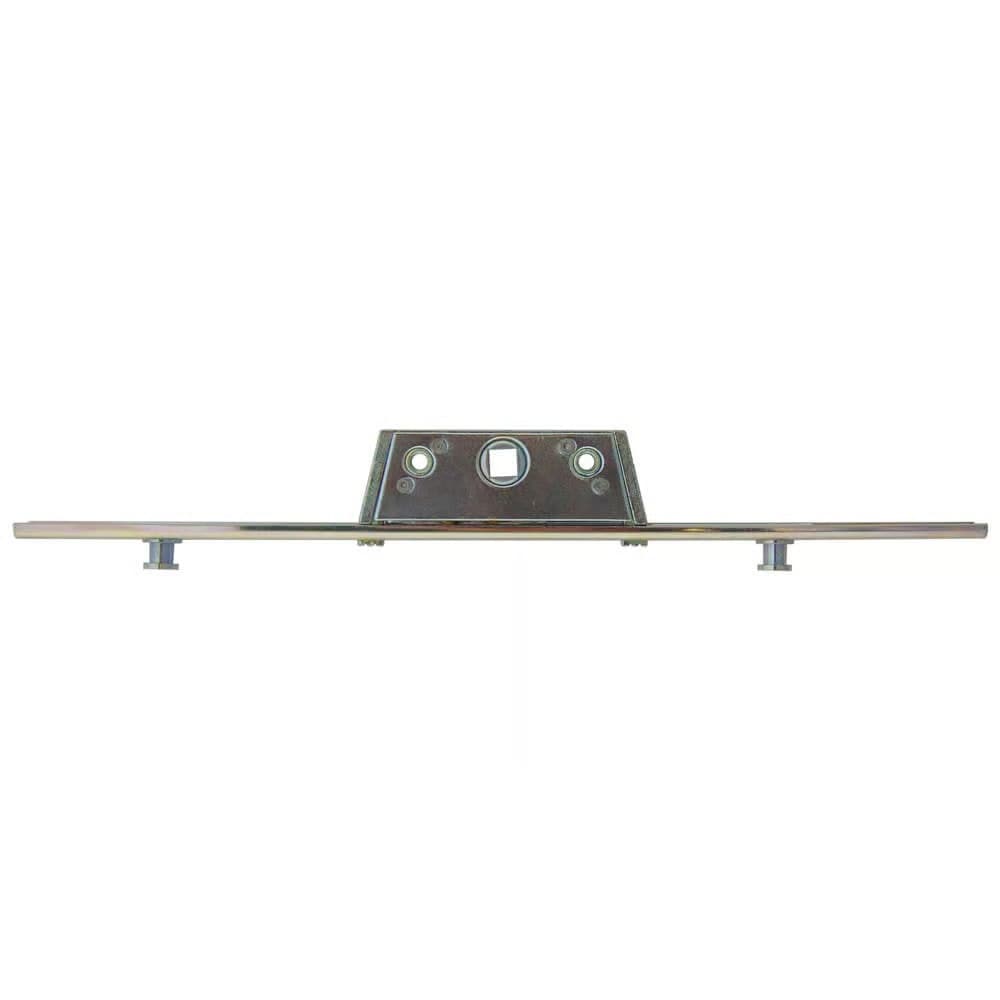
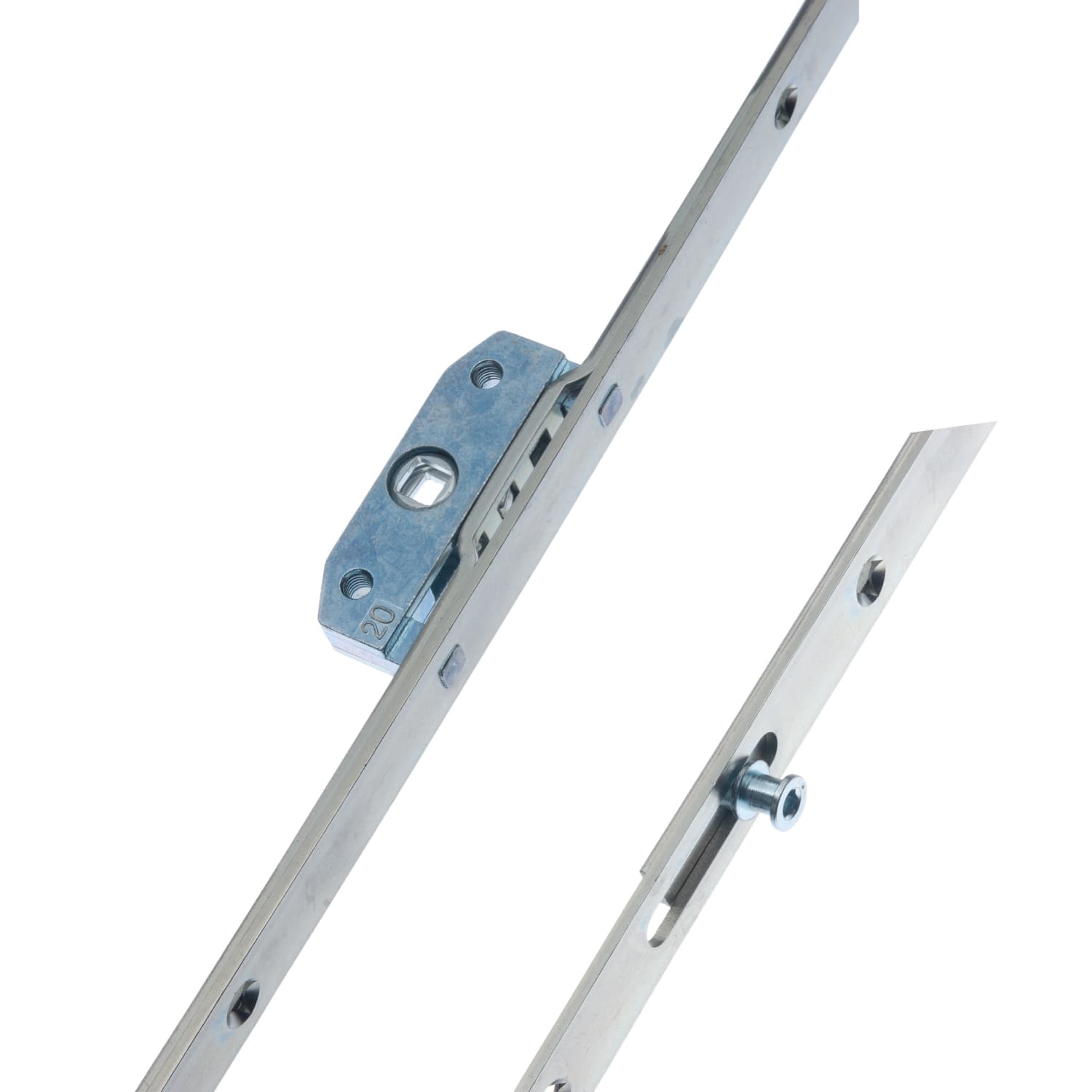
- ERAB Espagnolette Window Lock Universal Lock Replacement
- Avocet Slimline Offset Window Espag
- In-Line Window Mechanism
- Offset Window Mechanism
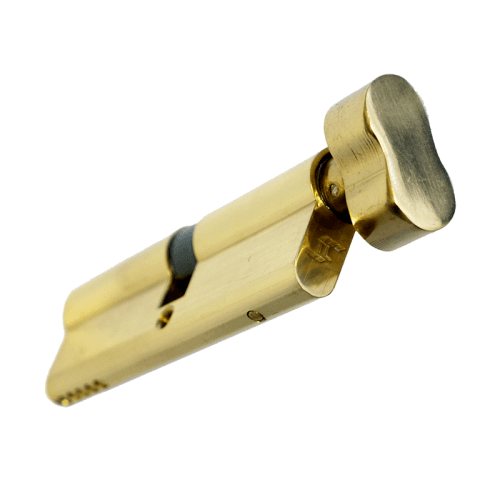
- TL Thumb Turn Euro Cylinder
Conclusion and next steps
Shootbolt faults are usually down to alignment, incorrect morticing or unsuitable fixings; resolving these issues requires careful measurement, correct screw selection and, where necessary, modification of the keep recess. Trade installers should carry adjustable keeps and a small selection of finishes for quick fixes. DIYers can achieve reliable results by following the checks above, using the right tools and testing thoroughly after adjustment.
Next steps: if you need detailed product guidance or replacement keeps, see our pillar resource on espagnolette window locks: /guides/espagnolette-window-locks. For complex refurbishment or where security certification is required, consult a qualified window locksmith or installer.

Related articles
Window Gearbox Maintenance: Keeping Your Locks Working Smoothly
Window Gearbox Maintenance: Keeping Your Locks Working Smoothly A well maintained window gearbox keeps casement and tilt-and-turn windows operating smoothl...
Troubleshooting Shootbolt Problems: A Window Fitter's Guide
Troubleshooting Shootbolt Problems: A Window Fitter's Guide Shootbolts are a small but vital component in many modern window and patio door locking systems...
What Is a Shootbolt Lock? Complete Guide to Window Security
What Is a Shootbolt Lock? Complete Guide to Window Security What is a shootbolt? A shootbolt is a mechanical locking element commonly used in windows and d...