
Common Window Gearbox Failures: A Fitter's Diagnostic Guide
Common Window Gearbox Failures: A Fitter's Diagnostic Guide Window gearbox faults are a leading cause of failing casement and tilt-and-turn windows. This p...
Common Window Gearbox Failures: A Fitter's Diagnostic Guide
Window gearbox faults are a leading cause of failing casement and tilt-and-turn windows. This post explains typical failure modes, step-by-step diagnostics for fitters and competent DIYers, practical repair techniques and reliable maintenance measures. The aim is to enable fast, accurate diagnosis and to reduce repeat visits on site.
What a window gearbox is and why it matters
A window gearbox is the mechanical assembly that converts handle rotation into linear movement of locking rods or espagnolette gear. It sits inside the sash and is actuated by a spindle from the handle. Correct gearbox function is essential for secure locking, smooth operation and weather performance. Failures lead to stiff or loose handles, incomplete locking, rattles and possible draughts.
Common failure modes and diagnostic signs
- Seized or stiff gearbox: Often caused by corrosion, dirt ingress or dried grease. Symptom: heavy or jerky handle, sometimes returning to centre with difficulty.
- Stripped gears or worn teeth: Plastic or low-grade metal gears can strip over time. Symptom: handle turns but locking rods do not move or slip under load.
- Worn or damaged spindle splines: The spline where the handle engages the gearbox can wear, creating play between handle and mechanism. Symptom: handle rotates with excessive free movement before the gearbox engages.
- Broken drive pin or shear pin: Designed to fail to protect the gearbox; a snapped pin leaves the gearbox unaffected but inoperative. Symptom: handle turns but no movement inside the gearbox.
- Corrosion and water damage: Water ingress causes rust on steel parts and pitting on cams. Symptom: visible rust, controller stiffening and eventual seizure.
- Loose gearbox or mounting screws: Movement at the fixing points causes misalignment with keeps. Symptom: noisy operation, partial locking and gap misalignment.
- Broken springs or internal return mechanisms: Loss of tension can cause handles not to return to the neutral position or to slacken. Symptom: sagging handle or inconsistent lock engagement.
- Misaligned keeps and striker plates: Often a secondary fault following wear or sash movement; the gearbox may be fine but cannot fully engage. Symptom: partial lock, snagging and uneven compression.
Fitter’s step-by-step diagnostic routine
- Observe operation from outside and inside: note handle travel, whether locking points engage and any unusual noises.
- Check sash support: open the window and support the sash before removing handle or gearbox components; unsecured sashes can be hazardous.
- Remove the handle and operate the gearbox with a test spindle: this isolates the gearbox from the handle and identifies handle versus mechanism faults.
- Look for play at the spindle: wedge a flat screwdriver into the gearbox spindle and check for axial or radial movement indicating spline wear.
- Inspect visible gearing and cams for broken teeth, cracks or excessive wear; remove the gearbox cover where possible to view internal condition.
- Check fixings and alignment: tighten mounting screws and test locking points; if keeps are visibly distorted, measure and adjust them to the correct location.
- Test lubrication: if gearbox is stiff, apply a light silicone spray into the mechanism and operate the handle several times; heavy greases can attract dirt so use sparingly.
- If gearbox still fails, swap with a known good unit where practical to confirm fault before ordering replacements.
Repair and replacement guidance for fitters and competent DIYers
- Minor corrosion or stiffness: clean the gearbox with a suitable solvent or corrosion remover; apply a light-grade grease or silicone-based lubricant to gears and moving parts.
- Handle play or stripped splines: often the handle or spindle is the cheaper replacement; measure spindle diameter and spline form and fit the correct handle or a new spindle kit.
- Damaged gears or broken drive pins: most modern casement gearboxes are modular; replace the gearbox assembly rather than attempting to repair internal gears unless you have specialist parts.
- Loose fixings or distorted backplates: replace fixings and, if required, shim the gearbox to align with keeps; use appropriate countersunk screws and do not overtighten.
- Keeps and striker adjustment: adjust keeps incrementally and re-test; for multi-point espagnolette systems, ensure all points engage simultaneously when the handle is mid-travel.
- Safety: always support the sash, wear gloves and eye protection, and avoid working on glass without a second person if sash becomes unbalanced.
Recommended lubricants and materials
- Use silicone spray or light machine oil for initial freeing-up; avoid using WD-40 as a long-term lubricant.
- For gears and sliding cams use white lithium grease or specialist window gear grease; apply sparingly to avoid attracting dust.
- For aluminium or coastal installations prefer corrosion-inhibiting lubricants specified for marine or coastal use.
- Use stainless screws and corrosion-resistant fixings where replacement is required in damp environments.
Preventative maintenance for longer life
- Service windows once a year: clean, lubricate key moving parts and check fixings and drainage paths.
- Keep weep holes and drainage channels clear to prevent water pooling around the gearbox area.
- Record gearbox codes or part numbers when replacing so identical parts can be ordered for future jobs.
- Train staff and homeowners to avoid excess force on handles and to report early signs of stiffness or play.
Recommended Products
Based on this article, you may find these products helpful:
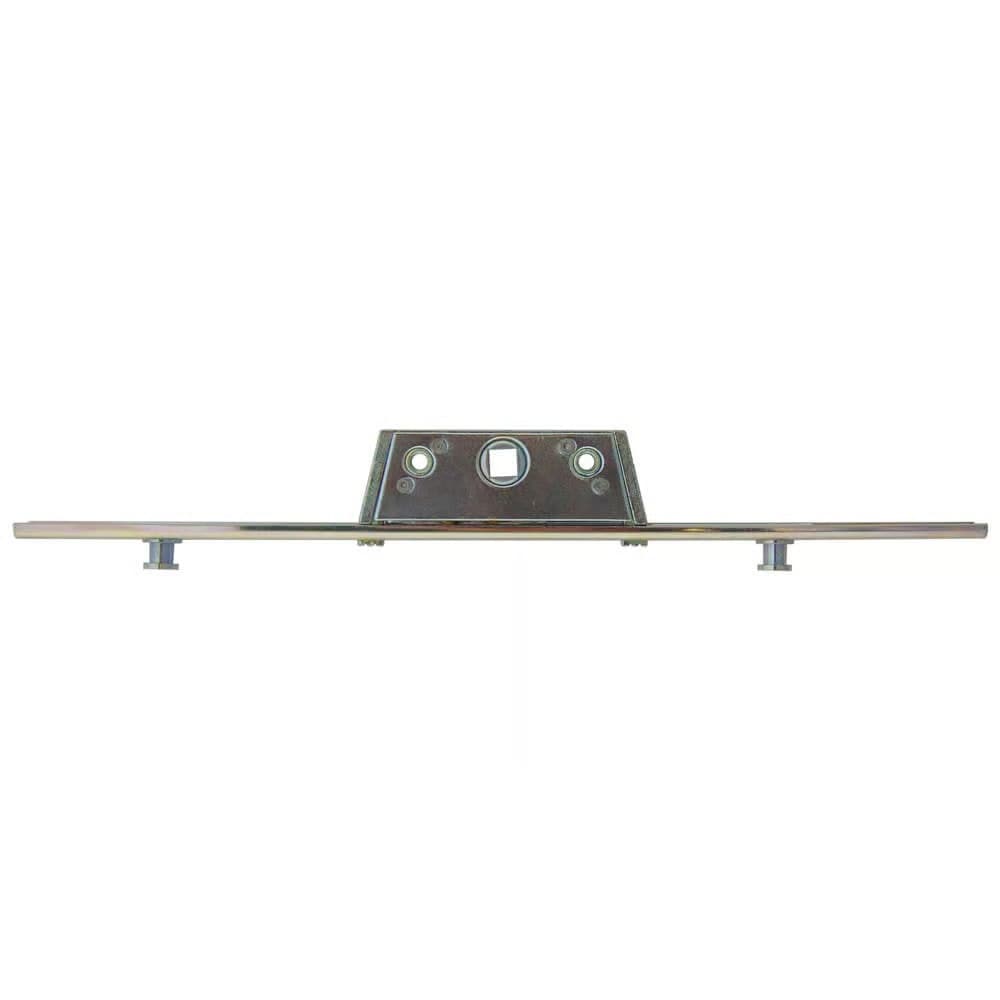
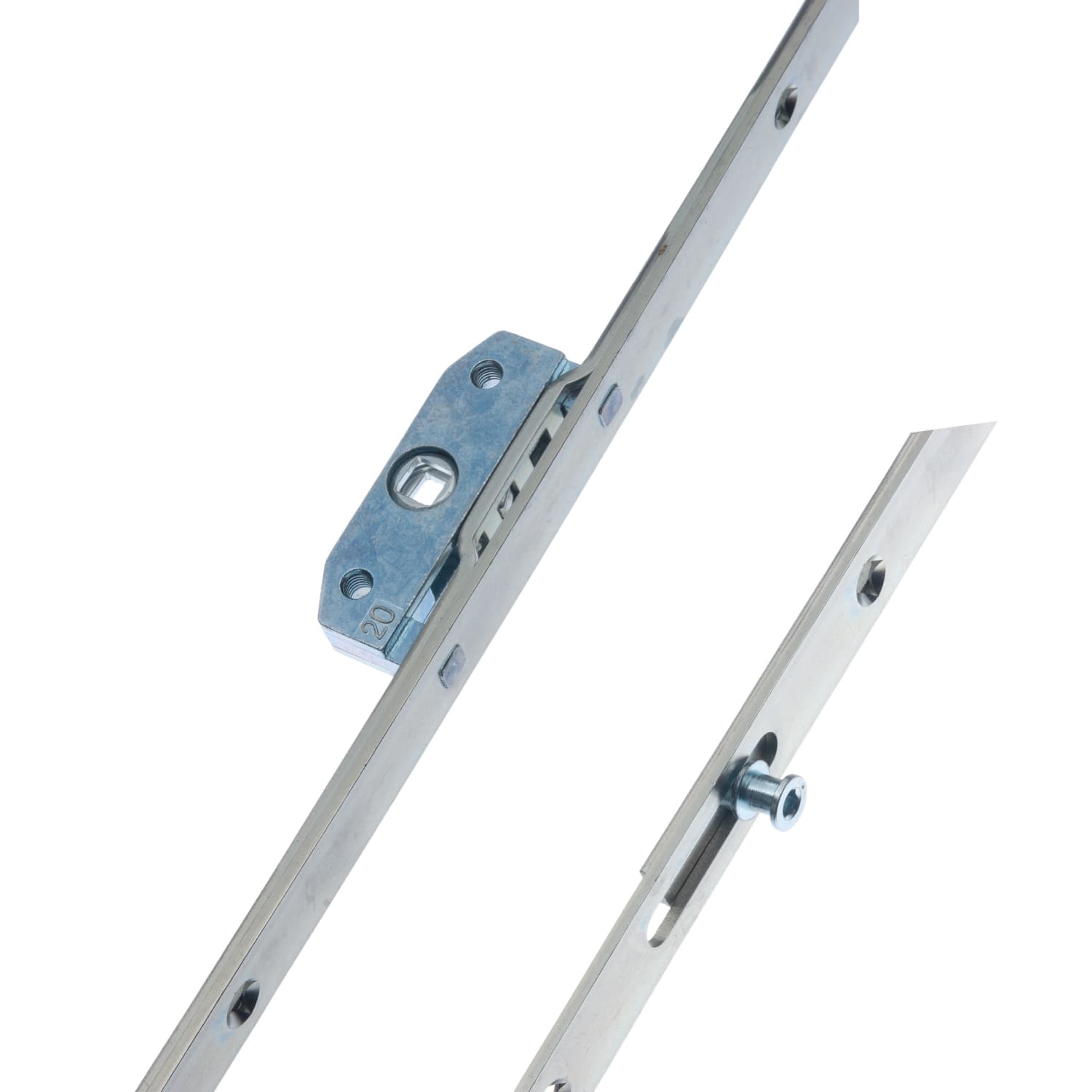
- ERAB Espagnolette Window Lock Universal Lock Replacement
- Avocet Slimline Offset Window Espag
- In-Line Window Mechanism
- Offset Window Mechanism
- E-Type Gasket - Black 5m Roll
Conclusion and next steps
Diagnosing window gearbox faults efficiently reduces call-backs and improves security and weather performance. Start with a systematic inspection, isolate the handle from the gearbox, check for wear and corrosion, and replace gearbox assemblies where internal damage is evident. For further technical detail on espagnolette systems and compatible parts see the espagnolette window locks guide: /guides/espagnolette-window-locks.
If you need specific replacement gearboxes, spindles or keeps, contact Window Hardware Store with the gearbox code, spindle diameter and window type; our trade team can help identify the correct part and supply fitting advice.
Products mentioned in this article

Related articles
Window Gearbox Maintenance: Keeping Your Locks Working Smoothly
Window Gearbox Maintenance: Keeping Your Locks Working Smoothly A well maintained window gearbox keeps casement and tilt-and-turn windows operating smoothl...
Troubleshooting Shootbolt Problems: A Window Fitter's Guide
Troubleshooting Shootbolt Problems: A Window Fitter's Guide Shootbolts are a small but vital component in many modern window and patio door locking systems...
What Is a Shootbolt Lock? Complete Guide to Window Security
What Is a Shootbolt Lock? Complete Guide to Window Security What is a shootbolt? A shootbolt is a mechanical locking element commonly used in windows and d...