Double Glazed Window Handles Replacement: Common Mistakes to Avoid
Double glazing improves thermal efficiency and security, but worn or incorrectly fitted handles can undermine both. This guide explains common mistakes mad...
Double glazing improves thermal efficiency and security, but worn or incorrectly fitted handles can undermine both. This guide explains common mistakes made during double glazed window handles replacement and provides clear, practical steps to avoid problems. Advice is suitable for homeowners undertaking DIY replacements and tradespeople seeking consistent, professional results.
Choose the correct handle type and spindle size
Selecting an inappropriate handle is a frequent cause of failed replacements. Handles vary by operation (espag, cockspur, cranked, tilt-and-turn) and by spindle length/shape. Replacing an espag handle with a cockspur handle, for example, will prevent the lock mechanism from operating and could damage the gearbox.
Identify the existing mechanism before ordering: note whether the handle operates a multi-point espagnolette, a simple cockspur latch, or another system. Measure the spindle length from the face of the handle rose to the tip, and check whether the spindle is square or D-shaped. For espag systems, use compatible replacement handles such as the TSS Cockspur Window Handles, which match common spindle sizes and fixing hole centres. Accurate measurement prevents returns and rework.
Inspect related components, not just the handle
Replacing the handle alone often overlooks worn gears, striker plates, or the locking mechanism. A new handle on a damaged espag gearbox will feel loose and may slip. Before fitting a new handle, operate the window to feel for excessive play, rough operation or binding. Remove the handle to inspect the gearbox, keepers and catches. Replace or repair damaged internal parts first; a new handle installed on a compromised mechanism offers only a cosmetic fix.
Tradespeople should also check the frame for cracks or rot around fixing points. Hollow or damaged frame material will not hold screws securely. For timber frames, consider using a resin repair or choosing longer, appropriate thread screws to engage sound substrate. For uPVC frames, verify that screw holes are not stripped.
Use the correct fixings and torque
A common mistake is using incorrect screws—too short, too long, or of the wrong thread—resulting in insecure handles or split material. Manufacturer guidance typically specifies screw length and thread size. Use stainless steel screws for longevity in external environments to avoid corrosion stains. When tightening handle screws, apply consistent torque: overtightening can crack roses or warp the handle housing, while under-tightening allows movement that loosens internal linkages over time.
When refitting handles on multipoint systems, ensure the screw holes align with internal reinforcing or metal backplates where present. On aluminium and steel frames, use the appropriate self-tapping screws and pre-drill pilot holes if necessary.
Maintain correct handle alignment and orientation
Incorrect alignment causes binding, poor operation and accelerated wear. When fitting the handle, ensure it sits square to the window frame and that the spindle engages fully with the mechanism. For crank or cranked handles, confirm the rise from the stile or the required clearance for the handle in both open and closed positions.
On espag handles, align the gearbox position so that the mechanism moves smoothly through its full travel. Verify that the handle returns to the neutral position without catching on the frame or blocking the locking sequence. Handle roses should sit flush against the frame; any gaps indicate misalignment or debris under the plate.
Avoid makeshift repairs and mismatched parts
Temporary fixes such as packing with card, using washers to mimic spindle length, or forcing a handle onto an incompatible gearbox create safety and longevity issues. These improvisations can shear spindles, strip gears or enable sash movement that bypasses the lock.
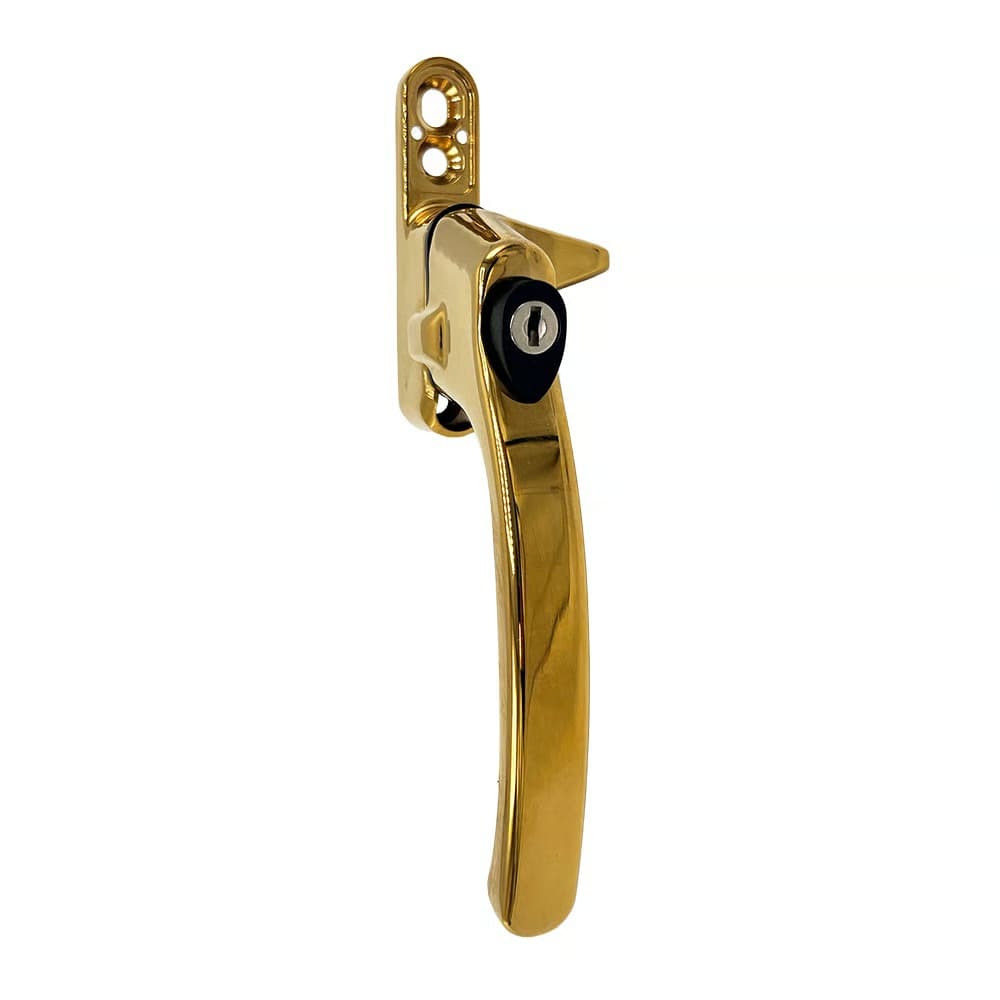
Replace with OEM-equivalent or high-quality aftermarket parts matched to the window’s mechanism. For cockspur applications, a robust option like the TSS Cockspur Window Handle offers correct engagement and durable construction. Using recommended parts avoids warranty problems and improves security.
Follow a methodical fitting process
A structured approach reduces mistakes. Recommended steps:
- Remove the old handle and keep all screws, spindles and plates for reference.
- Clean the mating surfaces and inspect internal components.
- Check spindle length and shape against the new handle specification.
- Fit the handle loosely to confirm alignment and full operation before final tightening.
- Test operation through several cycles to ensure smooth engagement and release.
- Seal around the handle base where required to prevent moisture ingress in timber frames.
Test security and functionality after fitting
After replacement, run a full functional and security check. For locking handles, confirm the multi-point lock engages deadbolts or hooks evenly. Test ventilation positions, friction stays and escape mechanisms where applicable. Check that keys operate smoothly where applicable and that the handle cannot be forced from the outside.
Documenting the tests and keeping photos is useful for tradespeople as proof of correct installation and for homeowners when arranging future maintenance or warranty claims.
Maintain handles to extend service life
Regular maintenance prevents premature replacement. Periodic cleaning and lubrication of moving parts (use a light machine oil or specified lubricant for espagnolette gears) reduces friction and wear. Tighten screws annually and check for corrosion or movement. Replace worn components promptly rather than waiting for failure, which can complicate future replacements.
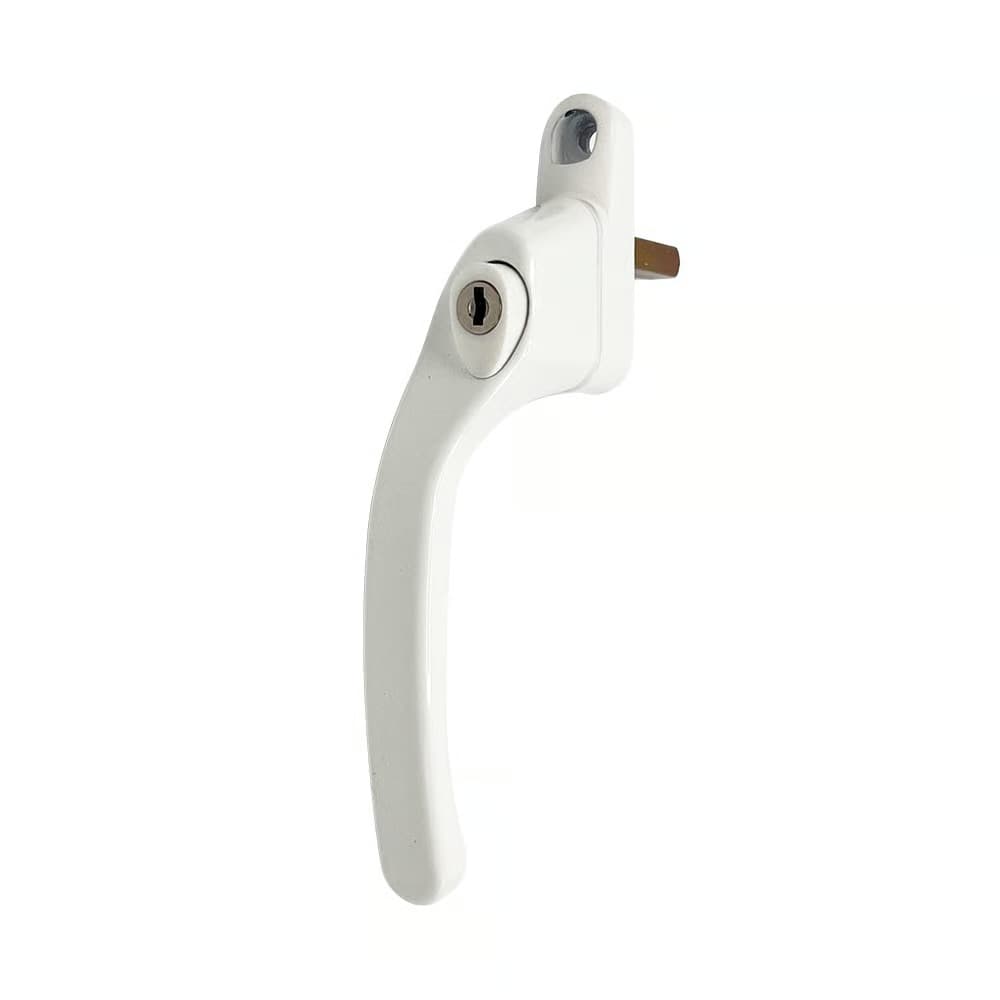
For high-use properties or coastal locations, consider choosing corrosion-resistant finishes and more robust designs such as the TSS Offset UPVC Window Handles for longer service life.
When to call a professional
Small repairs and straightforward handle swaps are suitable for competent DIYers. Complex multipoint systems, structural frame repairs, or uncertain gearbox damage warrant a professional installer. Tradespeople can help with precise adjustments, sash realignment and ensuring that replacements meet current locking and safety standards.
Careful selection, correct measurement, thorough inspection and methodical fitting reduce common failures in double glazed window handles replacement. Following these practical steps ensures reliable operation, better security and a longer lifespan for both handles and the window mechanisms they operate.