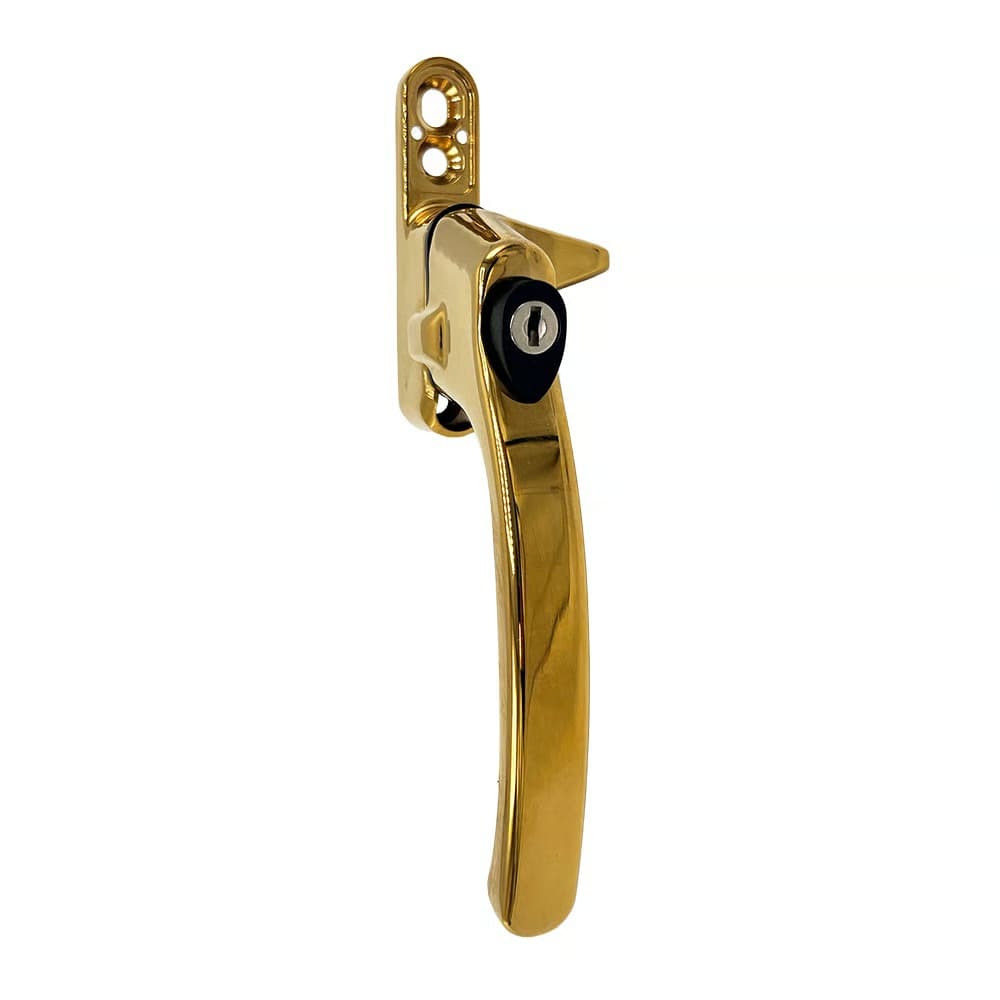
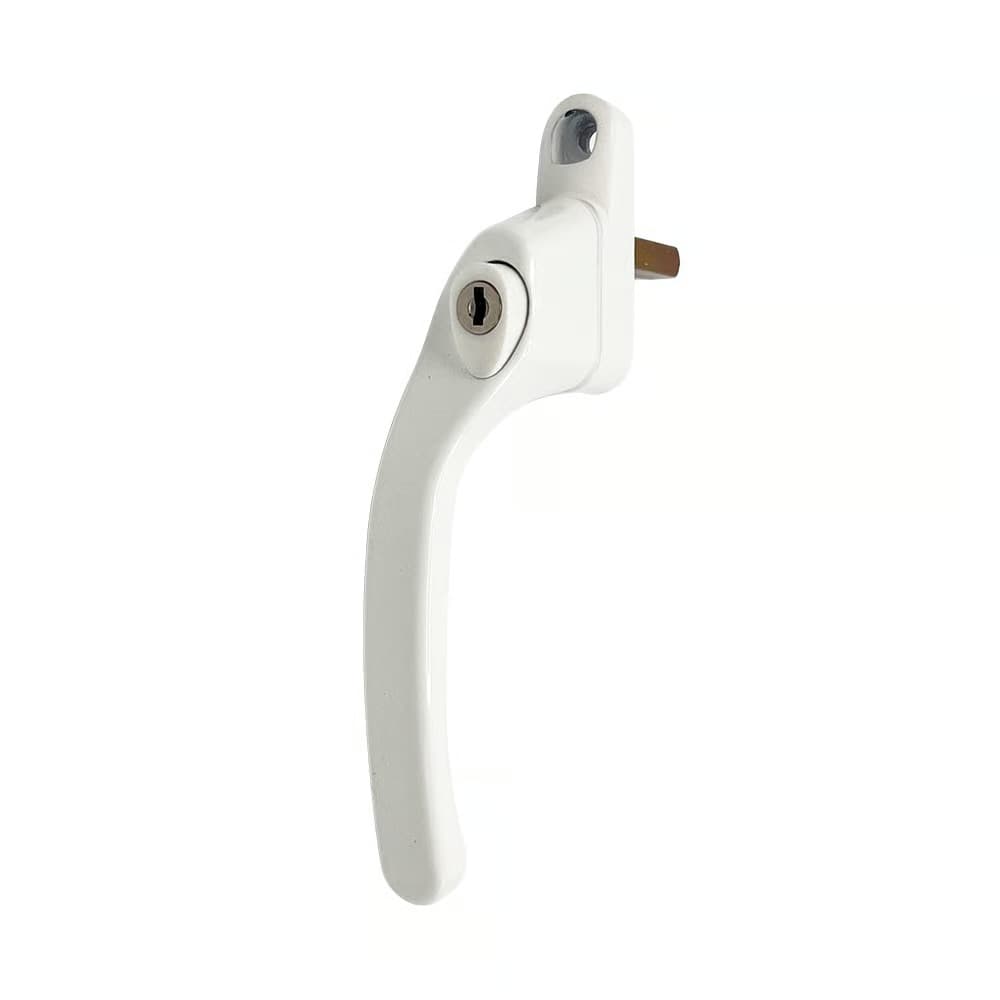
Double Glazed Window Handles Replacement: Fixing a Handle That Won’t Lock
Double glazed window handles replacement is a common maintenance task for homeowners and tradespeople. A handle that won’t lock can compromise security, ca...
Double glazed window handles replacement is a common maintenance task for homeowners and tradespeople. A handle that won’t lock can compromise security, cause drafts and make a window unusable. This guide outlines practical, actionable steps to diagnose, repair or replace faulty window handles and related components, with clear advice on tools, parts and when to replace the handle or escalate to a specialist.
Diagnosing the problem
Start by determining whether the issue is the handle, the lock mechanism, or the window hardware alignment. Typical symptoms include:
- Handle moves freely but does not engage the lock.
- Handle is stiff or sticks before reaching the locked position.
- Locking position does not hold; handle returns to the open position.
- Visible wear, corrosion or broken parts on the handle or locking keeps.
Tools and parts required
Essential tools:
- Phillips and flat-head screwdrivers
- Torx driver set (common in modern handles)
- Allen keys (hex) for grub screws
- Pliers and adjustable spanner
- Tape measure and marker
- Replacement handle or locking mechanism, if required
- Light lubricant such as silicone spray (avoid heavy oils that attract grime)
Replacing an espagnolette handle
1. Open the window to the tilt position where the handle is accessible. 2. Locate and remove the handle’s retaining screws. These are usually on the underside or behind a decorative cap. Use the correct screwdriver or Torx bit to avoid stripping. 3. Pull the handle away from the door to expose the spindle and the locking mechanism. Take note of the spindle length and position; some handles are reversible. 4. Compare the old handle to the replacement to ensure the spindle and screw positions match. Measure the spindle length; shorten or replace the spindle if necessary. 5. Fit the new handle onto the spindle and loosely replace the screws. Test the handle operation before fully tightening to ensure correct alignment with the espagnolette locking rod. 6. Tighten screws evenly and lubricate the mechanism lightly to ensure smooth operation.
If the handle still doesn’t engage the espagnolette locking rod, the problem may be with the rod or keep alignment, which requires further adjustment.
Replacing cockspur handles
1. Cockspur handles are usually surface-mounted with two visible screws. Remove these screws and the old handle. 2. Align the replacement cockspur handle with the existing holes. If the holes do not line up, mark and drill new pilot holes carefully. 3. Secure the new handle and test operation. If the window still will not lock, check the condition of the cockspur latch and the strike plate on the frame. 4. Adjust the strike plate position slightly if the latch is not catching. Loosen the strike plate screws, reposition and re-tighten.
Cockspur systems are straightforward but often indicate older hardware; consider upgrading to a keyed or espag handle for improved security.
Adjusting keeps and locking rods
Misalignment between the locking rod and frame keeps is a frequent cause of a handle that won’t lock. For vertical misalignment:
- Loosen the keep screws slightly.
- Lift or lower the keep until the locking pin aligns with the keep aperture.
- Tighten screws and test.
When to replace the lock mechanism or window
Replace the locking mechanism if:
- The espagnolette rod is broken or severely bent.
- The gearbox is stripped or the handle spindle has significant wear.
- Corrosion has compromised metal parts.
- Repeated adjustments don’t restore smooth, secure locking.
Maintenance tips to prevent future issues
- Lubricate moving parts annually with a silicone-based lubricant.
- Keep the area around keeps and latches free of paint and debris.
- Check and tighten handle and keep screws periodically.
- Operate windows regularly to keep mechanisms moving freely.
- Consider upgrading to handles with higher security ratings for ground-floor windows.
Safe working practices
- Support the window sash when removing handles on heavy sashes to prevent sudden movement.
- Use protective gloves when handling broken or corroded hardware.
- For keyed or high-security hardware replacement, ensure the new handle’s locking direction and key position match existing door sets for convenience and compatibility.
When to call a professional
Call a locksmith or specialised window fitter if:
- The lock mechanism is complex or integrated with multiple locking points.
- The handle or locking rod requires custom parts or cutting to size.
- Security is compromised and immediate secure fitting is needed.
Regular inspection and timely double glazed window handles replacement can restore security and functionality without major expense. Proper diagnosis, the correct replacement parts and careful adjustment prevent recurring problems and extend the life of the window. For further reading on handle types, finishes and compatibility, consult the comprehensive Window Handles Guide.