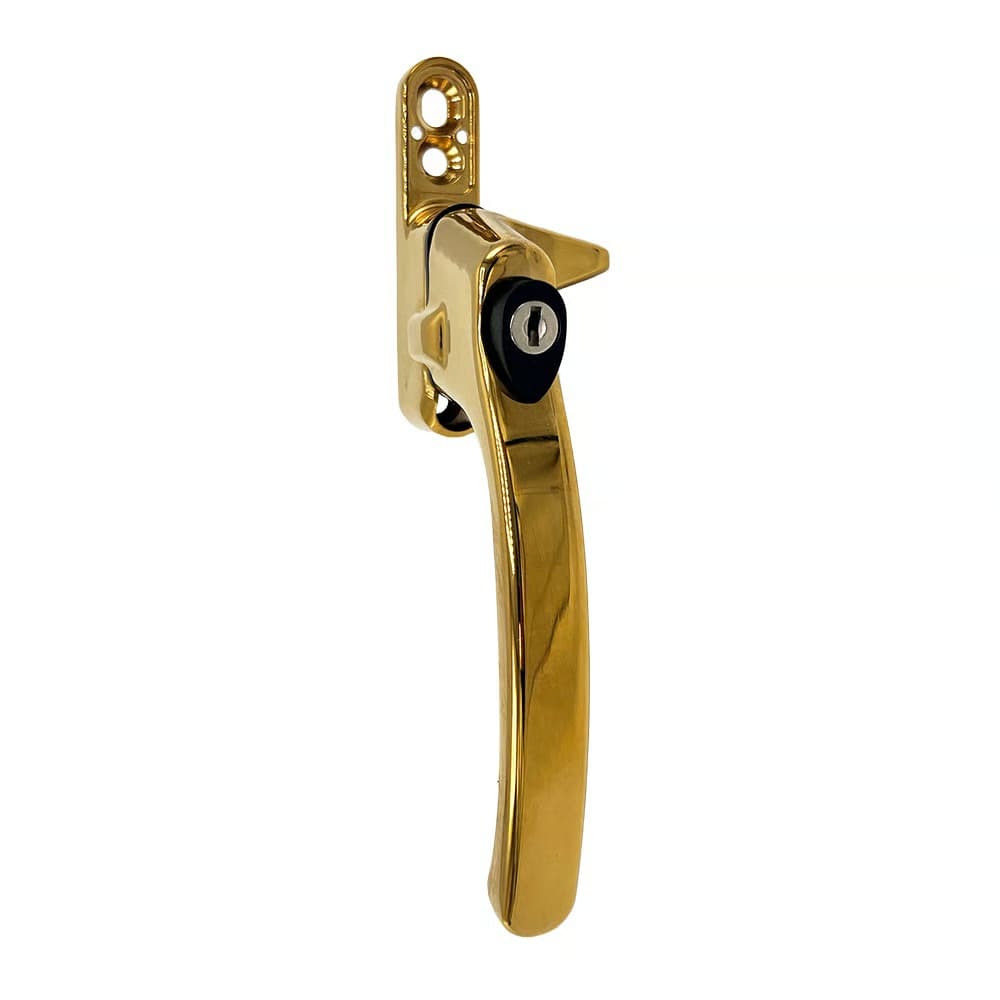
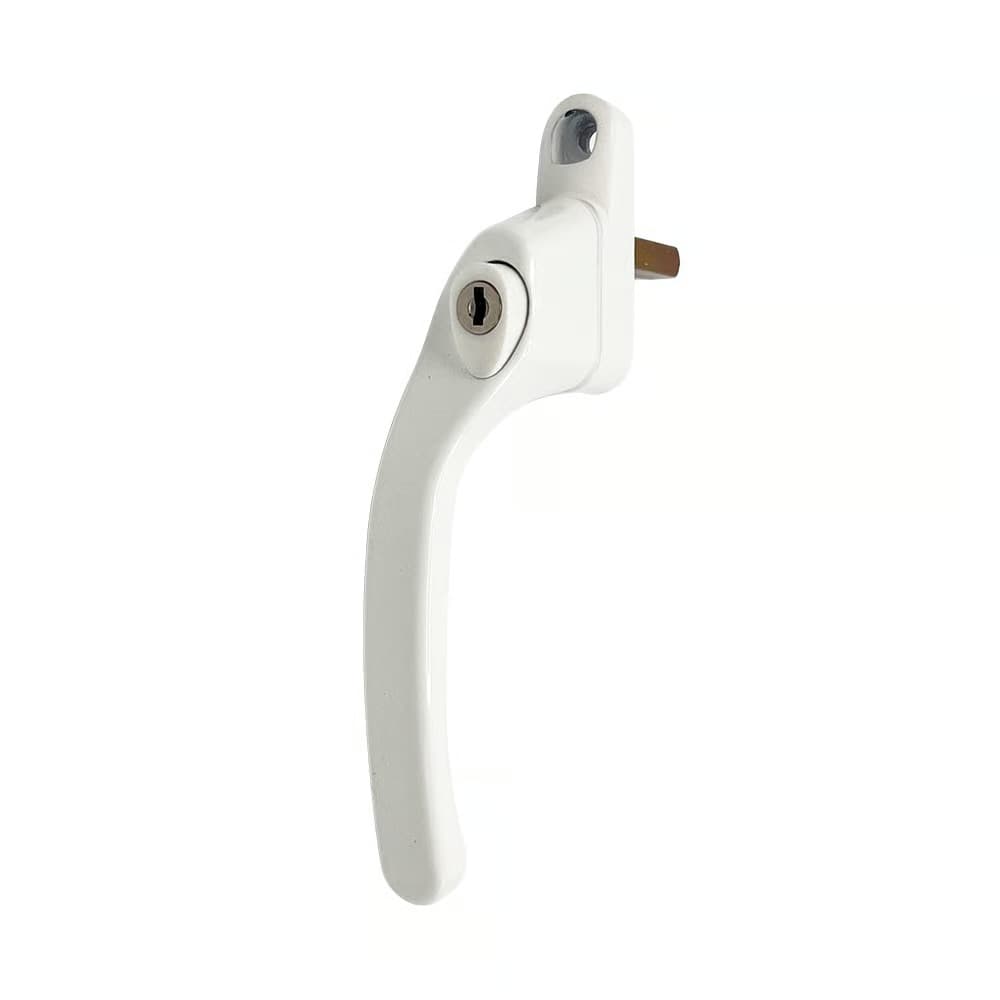
Double Glazed Window Handles Replacement: Handing Explained
Replacing worn or damaged handles is a cost-effective way to restore the security and functionality of double glazed windows. This guide explains handing a...
Replacing worn or damaged handles is a cost-effective way to restore the security and functionality of double glazed windows. This guide explains handing and practical steps for double glazed window handles replacement, including how to identify left- or right-handed fittings, measure for replacements, remove old handles and fit new ones, and select the correct style for different window types. Advice is aimed at both homeowners and trade professionals seeking straightforward, reliable methods.
Understanding handing for window handles
Handing refers to the orientation of the handle and locking mechanism relative to the hinge side of the window. Correct handing ensures the handle operates the espagnolette or cockspur mechanism smoothly and locks securely.
- For top-hung or side-hung casements, handing is usually described from the outside: a left-handed window has hinges on the left when viewed from outside, and the handle on the right; a right-handed window is the opposite.
- Espag (espagnolette) handles operate a multi-point locking rod inside the profile; this typically requires a square spindle and specific handle orientation.
- Cockspur handles clamp onto the frame edge and are non-spindle types that need to correspond with the direction the handle pulls.
Identifying the correct replacement
Key measurements and details to record before ordering a replacement:
- Screw centres: measure the distance between fixing screw holes (commonly 43mm, 45mm, 70mm in older designs). Accurate screw-centre measurement prevents drilling new holes.
- Spindle size: espag handles commonly use 7mm or 8mm square spindles. Measure across flats with calipers for precision.
- Backset and handle projection: ensure the spindle length and handle projection clear the glazing bead and surrounding trim.
- Locking variant: decide between non-locking, key-lock, or thumb-turn options based on security needs.
- Finish and compatibility: match handle finish (white, chrome, satin) and type—e.g. cockspur or espag—to the window system.
Tools and preparation
Essential tools:
- Cross-head and flat screwdrivers
- 7mm and 8mm spanners or socket set (for spindle nuts where applicable)
- Tape measure and vernier calipers
- Replacement screws (stainless steel recommended)
- Spirit level or straight edge
- Masking tape and marker
- Threadlocker (medium strength) for securing screws if necessary
Step-by-step replacement process
1. Secure the window: open to a comfortable working angle and wedge the sash or support it using a sash prop. Avoid leaning on the glass. 2. Remove the old handle: - Unscrew the fixing screws and slide the handle off the spindle. - For locked handles, turn the key/thumb-turn to the vertical (unlocked) position before removal. - Inspect the spindle and internal fixings for wear or corrosion and clean the area. 3. Record and clean: - Measure screw centres and spindle dimensions again to confirm compatibility. - Clean the escutcheon area and lubricate the spindle lightly with a dry PTFE spray. 4. Fit the new handle: - Insert the correct spindle size into the mechanism; ensure it aligns with the locking gear. - Offer the new handle up, lining the screw holes with the existing holes or mark new positions using masking tape. - Tighten fixing screws evenly; avoid over-tightening which can distort the handle or crack the profile. - For keyed handles, check the cylinder aligns and operates smoothly. 5. Test operation: - Cycle the handle through its full motion several times, checking for binding or misalignment. - Lock and unlock to confirm the espagnolette engages the keeps. - Check the closure and sealing of the sash; adjust keeps if necessary.
Dealing with handedness and reversing handles
Many modern handles are reversible; however, some espag handles must be ordered in the correct handed version. Where reversible functionality is advertised, the handle usually has a removable or adjustable spindle and a selector to change the return orientation. If a handle is non-reversible:
- Confirm the handed side at the time of ordering.
- When fitting, orient the handle so the lever moves in the same direction as the original to operate the locking rod correctly.
Common problems and troubleshooting
- Handle catches but lock won’t engage: check spindle length and ensure engagement with the gearbox; worn spindles can slip and need replacement.
- Sash binds after replacement: the espagnolette keepers may need slight adjustment. Loosen screws, reposition the keep and re-test.
- Handle wobbles: use longer or better-quality screws to reach firm substrate; add threadlocker if screws loosen over time.
- Cosmetic mismatch: consider using matching covers or escutcheons to conceal old screw holes for a neater finish.
Choosing between cockspur and espag handles
- Cockspur handles are simple and suitable for older or single-point locking windows; they are economical and easy to fit.
- Espag handles are preferred for modern multi-point locking systems and offer superior security and a cleaner look.
- Security-hinged or key-locking options increase protection on ground-floor or accessible windows.
Final checks and maintenance
After replacement, perform a final check of all windows in the property for consistent handing and operation. Regular maintenance such as lubricating moving parts annually, checking screw tightness, and inspecting for corrosion will extend the life of handles and keep locking mechanisms reliable.