Double Glazed Window Handles Replacement: Identifying Handle Type
Double glazed window handles replacement requires accurate identification of the handle type before ordering parts or attempting installation. Incorrect se...
Double glazed window handles replacement requires accurate identification of the handle type before ordering parts or attempting installation. Incorrect selection can lead to incompatible fixings, stripped gears or security weaknesses. This guide explains how to identify common handle types, check measurements and locking mechanisms, and provides practical steps for safe replacement for both homeowners and tradespeople.
Common double glazed window handle types
Understanding the main handle families simplifies replacement:
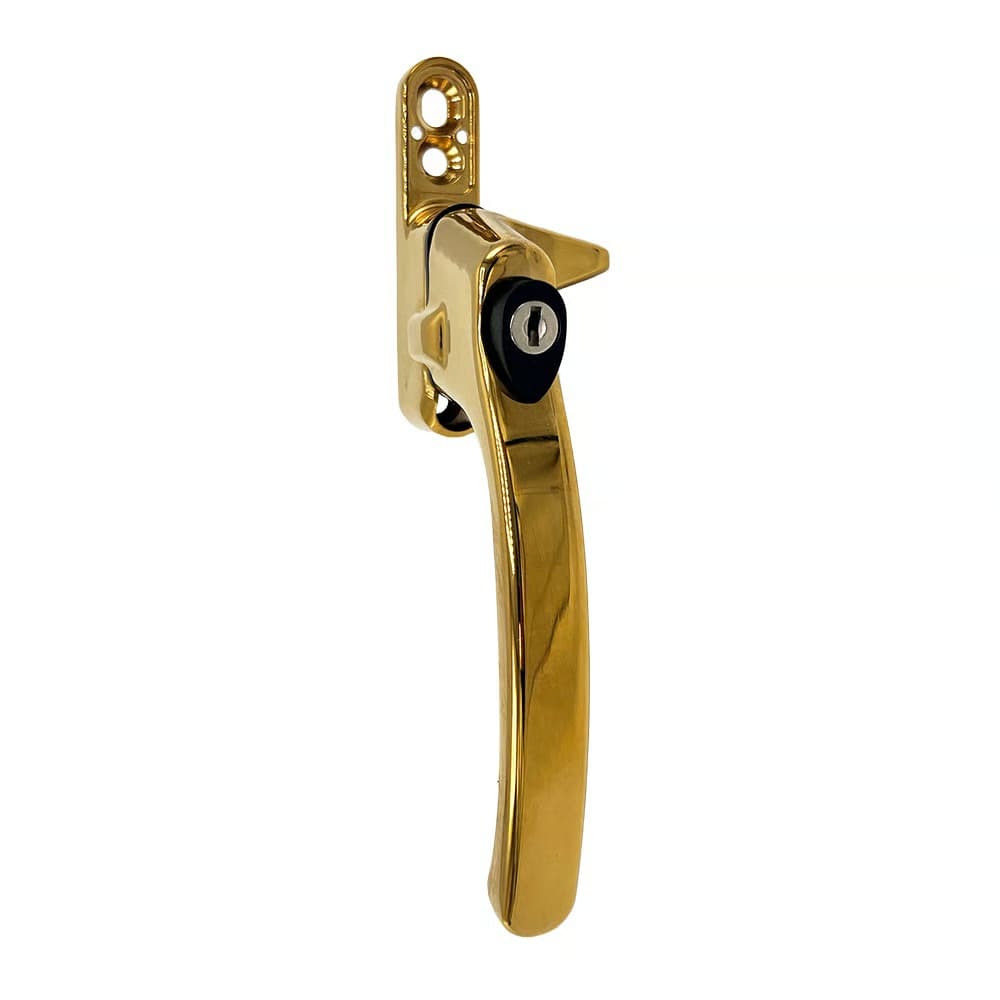
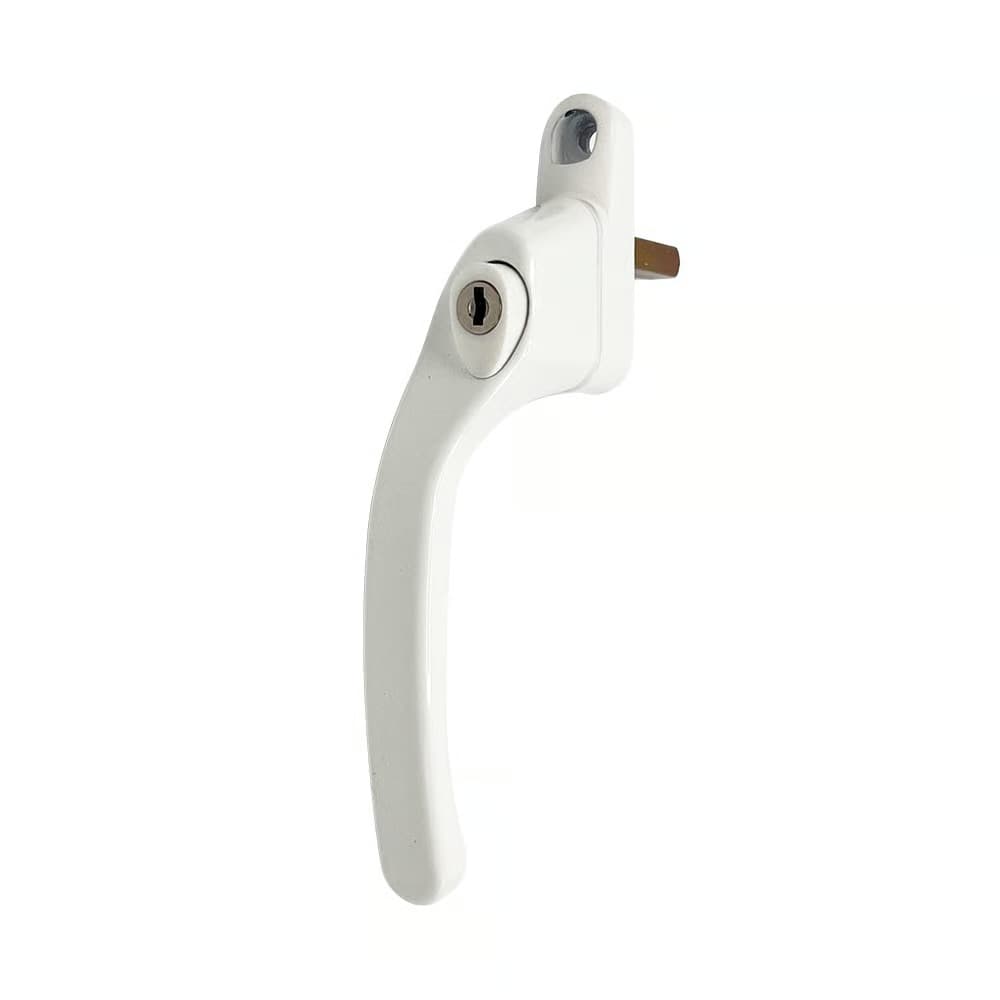
- Espag/espagnolette handles: Found on many modern PVCu and aluminium windows. They operate an internal espagnolette gearbox that runs along the edge of the sash and typically have a spindle and gearbox connector. A common upgrade for security-conscious customers is the TSS Cockspur Window Handles.
- Cockspur handles: Surface-mounted on the sash and engage a hook or lip on the frame. They are straightforward to swap and widely used on older timber and some PVCu windows; the TSS Cockspur Window Handle represents a typical replacement option.
- Tilt-and-turn and multipoint handles: These are used on systems with tilt-and-turn or multi-point locking, often requiring handles compatible with specific gearbox and spindle sizes. The TSS Offset UPVC Window Handles is an example of a multipoint-compatible handle suitable for many systems.
Visual identifiers to confirm handle family
When assessing a window, look for these clear visual clues:
- Espag handles: The handle pivots to operate an oblong gearbox or a spindle protruding into the sash; visible fixings are usually countersunk screws on the rose or backplate. Some espag handles include a key lock or push-button.
- Cockspur handles: Handle sits on top of the sash face and hooks over the frame when closed. There is no spindle through the sash; instead, the handle engages a mating keep on the frame.
- Tilt-and-turn handles: These frequently have a larger rose/backplate and a spindle that operates a multi-point mechanism; they may be handed (left/right) depending on the window’s opening direction.
Essential measurements and checks
Accurate measurements prevent returns and rework. Record the following:
- Centre-to-centre screw distance: Remove the handle to measure the exact distance between the two fixing screws (commonly 43mm, 70mm or 90mm). Measure to the nearest millimetre.
- Spindle size and length: For espag and multipoint handles the spindle thickness is usually 7mm or 8mm square; measure thickness and the projection beyond the handle base so the replacement engages the gearbox correctly.
- Backplate size and shape: Note whether the handle has a rose (round) or a backplate (rectangular) and whether it covers existing holes or requires new drilling.
- Handing: Determine left or right-handed operation by viewing the handle from inside; note whether it turns clockwise or anti-clockwise to open. Some handles are reversible; others are handed.
- Locking type: Identify whether the handle locks with a key, push-button, or is non-locking. Replacements should match or upgrade the locking method for compliance with local security expectations.
Compatibility with espagnolette gearboxes
Espag handles must match the gearbox drive and locking connection:
- Check if the existing handle drives the gearbox via a square spindle or a spline/adapter. Square spindles are common and more straightforward to match.
- Measure the gearbox’s position relative to the sash edge; some handles have offset spindles that need to line up correctly.
- When replacing an espag handle with a lock, ensure the handle does not conflict with the keep or frame furniture when locked.
Removing and refitting handles — practical steps
Follow safe, practical steps to prevent damage: 1. Secure the window: Ensure the sash is closed and supported so it will not fall when the handle is removed. Use a wedge or have an assistant hold the sash for larger units. 2. Remove existing handle: Open the handle to the neutral position and remove the fixing screws using the correct screwdriver to avoid camming heads. Retain screws if they are in good condition. 3. Photograph internal connections: Take images of the gearbox or hook/keep alignment before full disassembly to aid reassembly. 4. Test fit replacement: Before final tightening, test the handle operation to confirm the spindle engages correctly and locking works. Make minor spindle length adjustments or use shims if the handle is not fully engaging. 5. Secure and seal: Refit screws to manufacturer torque guidelines; over-tightening brass bushes can deform components. For timber frames, use appropriate wood screws. Touch up any disturbed paint or sealant to maintain weatherproofing.
Common pitfalls and how to avoid them
- Wrong spindle size: Carry a spindle gauge or several spare spindles. If the handle rotates without engaging, the spindle is probably too thin.
- Incorrect screw centres: Measure centre-to-centre accurately; many replacement handles offer adjustable backplates to cover older hole patterns.
- Ignoring handing: Replacing a handed handle with an incompatible handed variant will prevent proper locking and operation.
- Security upgrades without matching keeps: Upgrading to a lockable handle may require a reinforced or different frame keep to meet the new locking cylinder’s projection.
When to replace the gearbox or keep
Handles are often the visible issue, but rubbing, poor sealing or play in the mechanism can indicate wear in the espagnolette gearbox or frame keeps. Replace the internal gearbox if the handle feels loose, does not return to position, or gaps appear at the sash edge. Keeps can be upgraded to steel or reinforced versions to match higher security-rated handles.
Final checks and maintenance
After replacement, operate the window several times and check the locking, sealing and alignment. Apply a small amount of light machine oil to moving parts annually and check fixings after the first month, tightening as necessary. Record the handle type and measurements for future maintenance.
For further guidance on selecting, measuring and fitting window handles, consult the comprehensive Window Handles Guide.