Double Glazed Window Handles Replacement: Maintenance After Fitting
Replacing handles is only half the job; correct maintenance after fitting extends life, preserves security and keeps double glazed units operating smoothly...
Replacing handles is only half the job; correct maintenance after fitting extends life, preserves security and keeps double glazed units operating smoothly. This guide covers practical checks and routine care for double glazed window handles replacement, aimed at homeowners and tradespeople, with step‑by‑step actions to prevent common post‑installation issues.
Immediate checks after fitting
Once a new handle is fitted, perform a short checklist to confirm installation quality and identify adjustments before closing the maintenance loop.
- Confirm correct handle orientation and full travel. Rotate the handle through its full range to ensure the spindle engages the locking mechanism (espagnolette, shootbolt or cockspur) without binding.
- Check spindle length and engagement. The spindle should fully engage the gearbox; a spindle that is too short causes loose operation and premature wear. For replacement handles fitted to older gearboxes, a longer spindle may be required.
- Tighten fixings to the correct torque. Hand tighten the screws, then apply a small additional quarter turn with a screwdriver — overtightening can strip threads in UPVC frames or crack timber.
- Inspect for screw backing‑out. Use threadlocker (medium strength) sparingly on metal‑to‑metal threads in timber and metal frames; avoid on plastic substrates where disassembly may be needed.
- Ensure handles clear beading and furniture. Confirm the handle in the closed position does not foul the beading, frame or nearby furniture.
Lubrication and moving parts
Proper lubrication prevents corrosion, reduces wear and improves feel. Apply correct products and techniques.
- Use a PTFE dry spray for handle pivots and where the spindle enters the gearbox; it repels dust and lasts longer than oil. Avoid heavy oils that act as dust magnets.
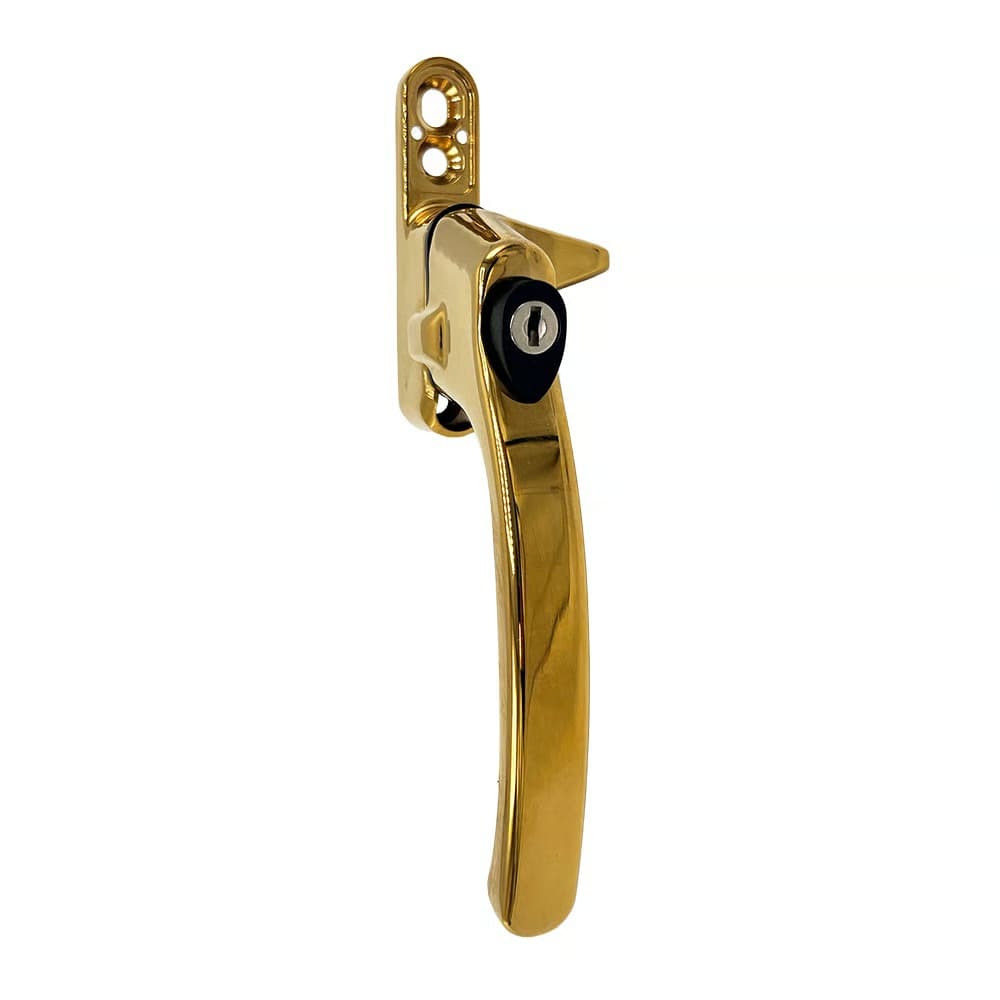
- Lightly grease espagnolette gear runs with a lithium‑based grease where accessible — this reduces metal‑on‑metal wear. For the TSS Cockspur Window Handles, ensure the handle spindle and gear interface receive a thin coating.
- For cockspur handles, apply a smear of silicone grease to the contact points between the cam and the keep to prevent squeaks and wear; the TSS Cockspur Window Handle benefits from this routine.
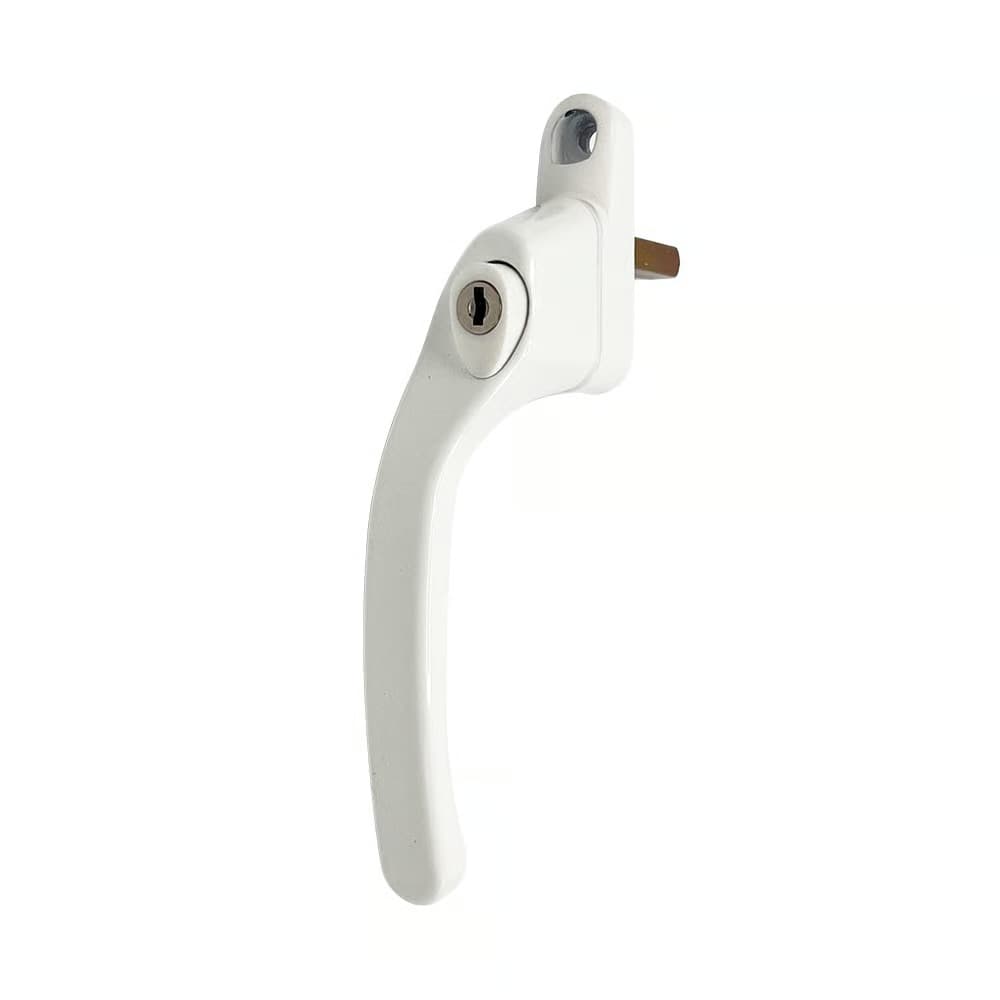
- Lubricate locking cylinders annually with graphite powder rather than oil to avoid gumming up tumblers; the TSS Offset UPVC Window Handles and similar locking mechanisms operate more reliably with dry lubrication.
Screws, keeps and frame interaction
A correctly functioning handle depends on the condition of adjacent frame fixings and keeps.
- Check keeps and strike plates for deformation or looseness. Tighten fixing screws and replace stripped keep screws with slightly longer or thicker alternatives designed for UPVC or timber.
- Use reinforced or security screws where possible to improve resistance to forced entry, but ensure the screw does not interfere with the window’s operation.
- Replace corroded screws and fusion‑bonded components promptly. Stainless steel screws are preferred in coastal locations.
- For handles that intermittently stick, verify the keep alignment; an out‑of‑line keep causes asymmetrical loading on the handle spindle and gearbox.
Dealing with common faults after replacement
Certain faults commonly present after a handle swap. These practical fixes address faults quickly and safely.
- Loose or wobbly handle: Confirm spindle tightness at the handle base. If wobble persists, remove the handle and check for stripped spline or square spindle; replace handle or spindle as required.
- Handle not locking: Ensure the spindle is correctly located in the gearbox and the gearbox has not slipped inward. Check that multipoint gear rods are fully engaged and the handle returns to horizontal at rest.
- Stiff operation or grinding: Clean out accumulated debris around the gearbox and apply appropriate lubricant. If stiffness continues, inspect gulled gears in the espagnolette; replacement of the gearbox may be necessary.
- Handle falls through to the frame: This indicates a missing or failed spindle grub screw or a broken cam. Replace the grub screw or cam assembly and retest.
Preventative care schedule
A simple maintenance schedule keeps windows operating trouble‑free and maintains security.
- Monthly: Visual check for loose fittings, handle operation test, remove obvious debris.
- Every 6 months: Lubricate pivots, spindles and accessible gears; tighten frame and keep fixings.
- Annually: Check locking cylinder function and apply graphite; inspect for corrosion on screws and replace as needed.
- After extreme weather or storms: Inspect for frame distortion and recheck handle alignment.
Safety and compliance
Ensure safety during maintenance and compliance with relevant standards.
- Turn off power to nearby electrical fittings when working close to wiring, and use non‑conductive tools around glass edges.
- When removing sashes or setting aside glass, use protector gloves and safety glasses. For heavy or large panes, use mechanical lifting aids or two people.
- Follow manufacturer torque and fitting guidance to maintain warranty coverage.
Final checks and user handover
After maintenance or replacement, perform a final functional and security test.
- Cycle the handle through all positions and test locks with keys. Confirm multipoint locking hooks engage fully and the handle returns to the rest position.
- Demonstrate operation and basic care to householders: where to lubricate, which screws to check, and how often to inspect.
- Document parts used and any adjustments for future reference.