Double Glazed Window Handles Replacement: Screw Centres and Fixings
Double glazed window handles replacement is a common maintenance task for homeowners and tradespeople. Worn, loose or broken handles affect security, weath...
Double glazed window handles replacement is a common maintenance task for homeowners and tradespeople. Worn, loose or broken handles affect security, weatherproofing and ease of operation. This guide explains how to identify handle types, measure screw centres, choose correct fixings and complete a reliable replacement with practical, actionable steps.
Identify the handle type and common problems
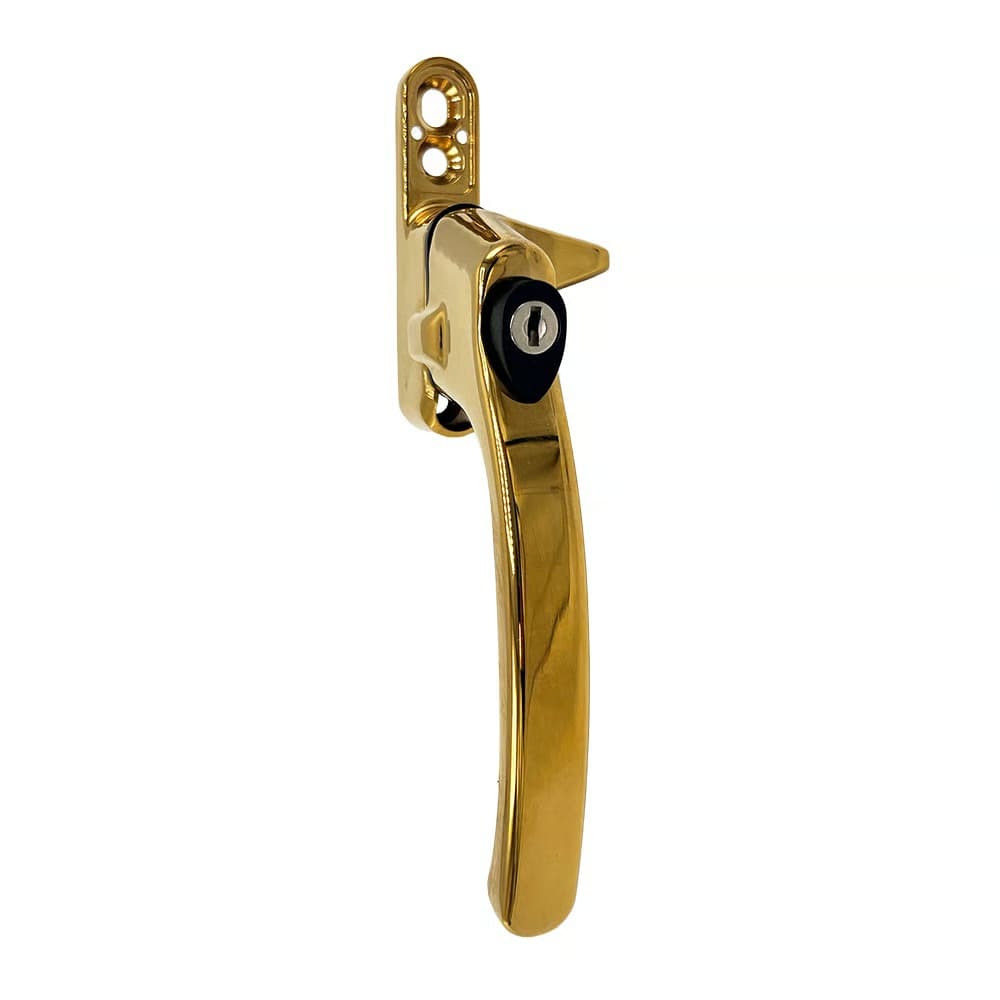
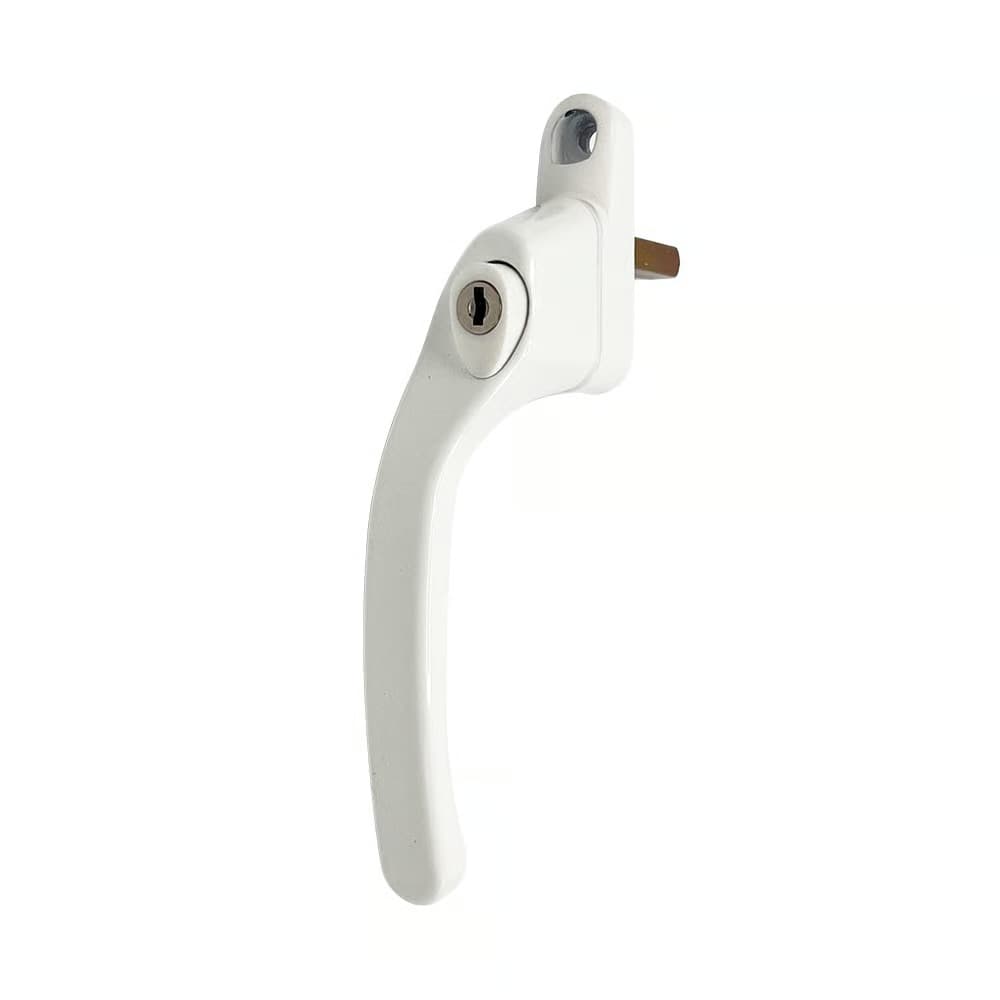
Before purchasing a replacement, identify the handle type fitted to the window. Common types on double glazed windows are espagnolette handles (espag), cockspur handles and tilt-and-turn or casement handles. Each style uses different fixings and spindle arrangements:
- Espag handles: operate a locking rod within the frame and use an elongated spindle and two mounting screws. An example is the Mila ProSecure espag style, often found on modern PVCu windows. Link once for product reference.
- Cockspur handles: sit on the face of the frame and engage a hooked cam into a keeper; they fasten with two screws. The TSS cockspur window handle is a typical replacement option.
- Casement/turn handles: use a squared spindle and a backplate, common on cottage-style or timber windows. Yale Sparta is an example of a robust twin-screw casement handle.
Measuring screw centres: accurate dimensions matter
Screw centres (also called screw spacing or backplate centres) are the distance between the centres of the fixing holes. Accurate measurement ensures a new handle lines up with existing holes, avoiding the need to drill new ones or use backplates.
How to measure:
- Remove the existing handle to reveal the fixing holes.
- Use a steel rule or digital calliper for accuracy.
- Measure from the centre of one screw hole to the centre of the other. Record to the nearest millimetre.
- Note whether the handle uses a rectangular backplate, oval plate or no visible plate (concealed fixings). Espag handles often use concealed fixings with packers behind the handle base.
Choosing the correct fixings and spindle
Selecting the right screws and spindle is as important as matching screw centres.
Screws
- Use stainless steel or plated screws to resist corrosion. For PVCu or timber frames, choose the thread type suited to the material: coarse thread for timber, self-tapping for PVCu with a pilot hole.
- Screw length should be long enough to engage the substrate by at least 10–12mm beyond the frame face but not so long as to contact glazing beads or internal chambers.
- Countersunk heads are common for backplate fittings; if replacing an older handle, match the screw head type to avoid distortion.
- Square spindles commonly come in 8mm or 7mm widths. Measure the existing spindle thickness and projection from the lock or handle base.
- Standard spindle lengths are 45mm, 55mm and 65mm. Select a spindle that provides 10–15mm engagement into the handle while leaving sufficient length to operate the mechanism when the handle sits flush.
Step-by-step replacement procedure
Preparation
- Gather replacement handle, appropriate screws, screwdriver or drill with clutch, threadlocker (medium strength), marker, cloth and lubricant.
- Wear eye protection when drilling or removing broken fixings.
- For espag and casement handles: remove the grub screw or centre screw that locks the handle to the spindle, then slide the handle off.
- For cockspur handles: remove the two visible screws from the face of the handle and detach the handle and cam.
- Inspect the spindle and fixings for damage; cut away any corroded or protruding metal using a hacksaw where necessary.
- Check that the replacement handle matches the measured screw centres and spindle size.
- If holes align, position the new handle and insert screws finger-tight to ensure alignment before tightening.
- Use a torque-limited driver or hand screwdriver to avoid over-tightening which can crack PVCu or deform timber. Apply a small amount of medium-strength threadlocker to screws in high-vibration situations.
- Refit any grub screws and test the handle through its full range of motion. For espag handles, ensure the locking mechanism engages correctly and that the handle returns to neutral position.
- Slightly mismatched centres (within 2–3mm) can sometimes be accommodated by elongating the hole with a round file or small drill, ensuring the plate remains supported.
- For larger discrepancies, consider a handle backplate that covers old holes or a universal mounting plate to provide new anchor points. Ensure new fixings penetrate the frame substrate sufficiently.
Final adjustments and maintenance
- Lubricate moving parts with a silicone spray or light machine oil; avoid heavy greases that attract dust.
- Check window operation and locking points; adjust keeps or espag rods if the handle feels stiff or does not lock securely.
- Tighten screws after one week of use to compensate for any settling.
- Recommend replacing both handles on a window (if paired) to ensure consistent operation and appearance.
Safety and security considerations
- Replace damaged handles promptly to maintain security. Handles labelled as 3 star or with secure features offer higher resistance to forced entry.
- Ensure manufacturer-recommended fixings are used, especially for fire escape or egress windows where compliance matters.
- Retain broken parts to show to suppliers in case of warranty or fitting advice.