Double Glazed Window Handles Replacement: Tools and Safety Tips
Replacing worn or damaged handles on double glazed windows is a common maintenance task that improves security, operation and appearance. This guide explai...
Replacing worn or damaged handles on double glazed windows is a common maintenance task that improves security, operation and appearance. This guide explains the tools required, step-by-step replacement procedures for common handle types, measuring and ordering tips, plus essential safety precautions. It is suitable for homeowners with basic DIY skills and tradespeople seeking efficient, reliable methods for double glazed window handles replacement.
Common handle types and selection
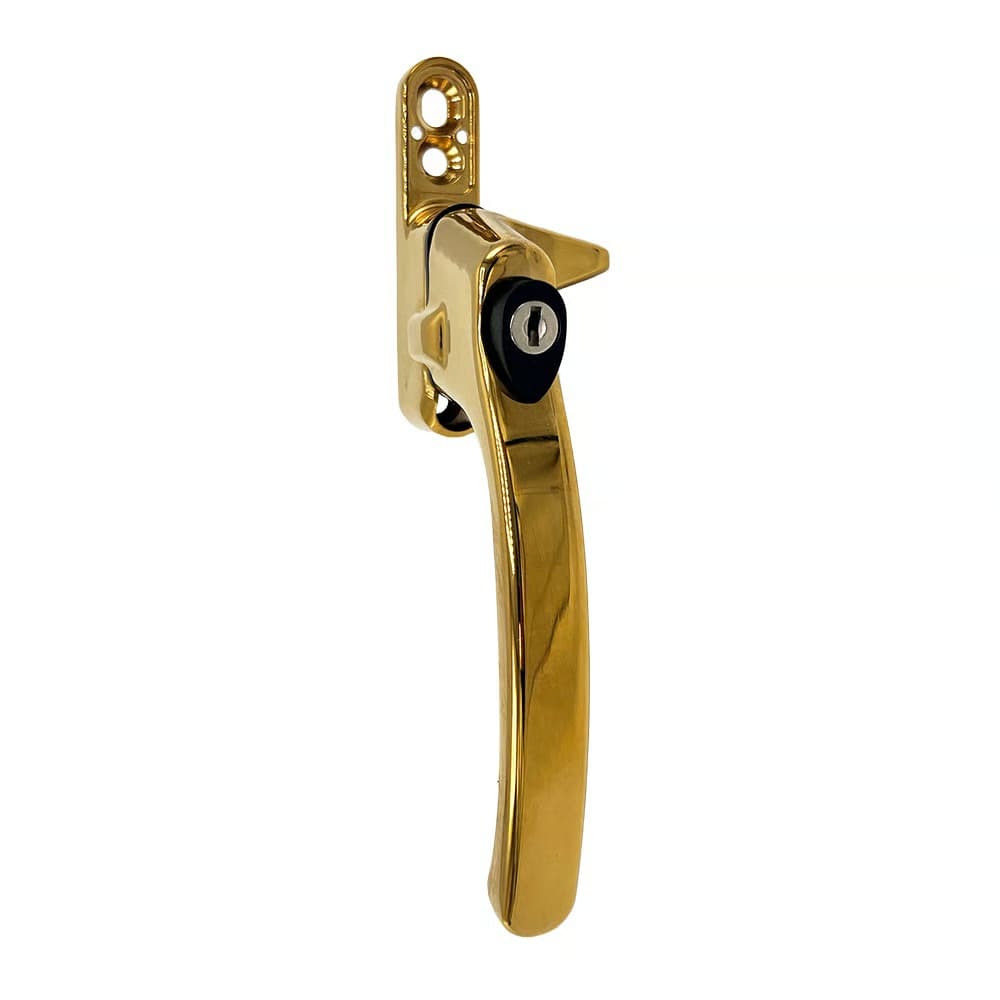
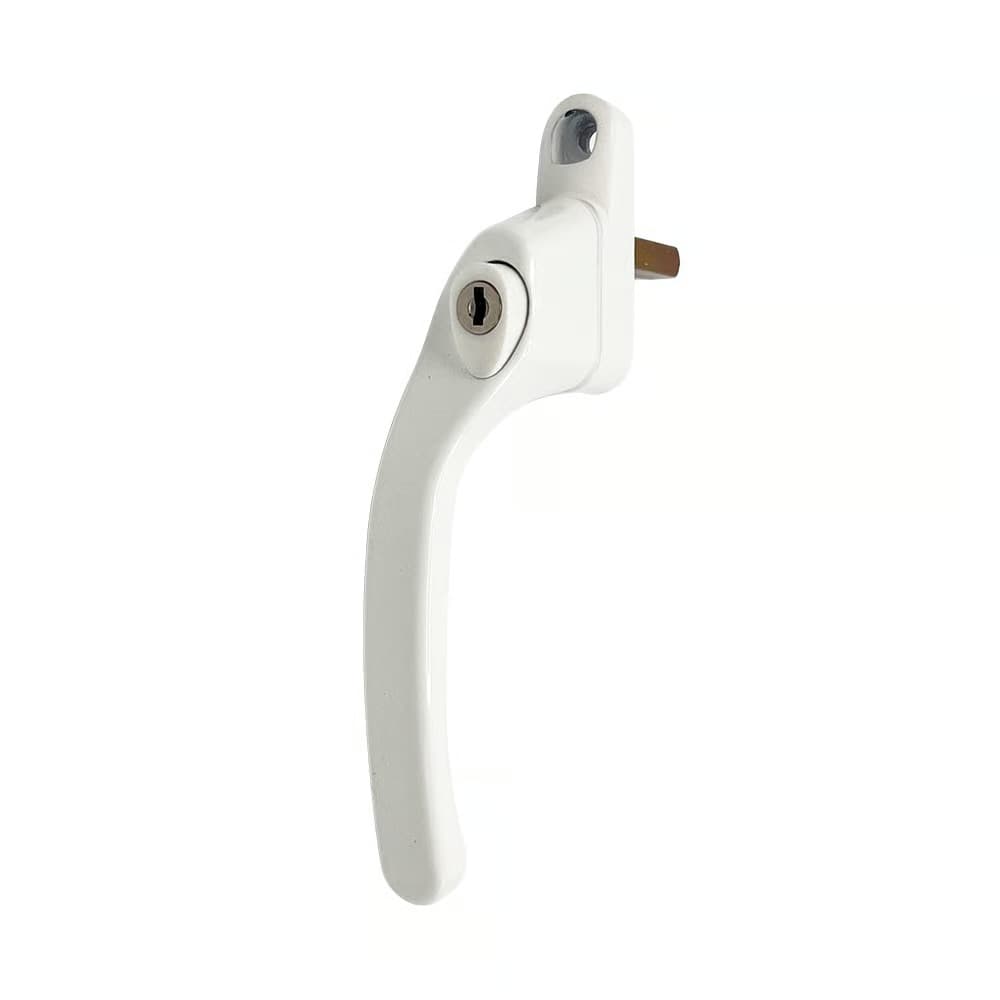
Different windows use different handle mechanisms: espagnolette (espag) handles, cockspur handles and sash or cranked handles are the most common on double glazed units. Choosing the correct replacement requires matching the handle style, screw centres and spindle type.
- Espag handles fit onto a square or multi-spline spindle that operates an internal espagnolette locking mechanism. A quality example is the TSS Cockspur Window Handles.
- Cockspur handles are surface-mounted and clamp around the ovolo bead; the TSS Cockspur Window Handle is often used on older timber or PVC windows.
- Sash or lever handles like the TSS Offset UPVC Window Handles suit many modern PVC installations.
Tools and materials required
A concise toolkit speeds work and reduces the chance of damage. Required items:
- Cross-head and flat-head screwdrivers (size accordingly)
- Power drill with low-torque clutch and appropriate bits
- Replacement handle and fixings
- Tape measure and vernier caliper (for precise screw centre measurement)
- Masking tape and marker
- Small block of wood or wedge (for supporting the window)
- Protective gloves and safety glasses
- Silicon or expanding foam filler (for edge repairs, optional)
- Thread locker (medium strength) or captive screw if recommended by manufacturer
Preparation and safety precautions
Prior preparation prevents accidents and damage to the glazing unit.
- Secure the window: work with the sash in a stable position. For top-hung or heavy sashes, use a support wedge or have an assistant hold the sash.
- Isolate the area: remove rugs or furniture, and place a soft landing underneath to catch any dropped parts.
- Wear PPE: safety glasses to protect from small metal shards and gloves to avoid sharp edges.
- Check for locks: ensure the locking mechanism is disengaged before starting to avoid forcing components.
- Keep children and pets away from the work area.
Removing the old handle — espag and sash types
1. Open the window to a comfortable working angle and support the sash. 2. Locate and remove the handle cover or cap, which conceals the fixing screws. Use a flat-head screwdriver gently to avoid scratching. 3. Unscrew the fixing screws; keep spare screws in a labelled container for re-use if compatible. 4. Pull the handle away from the spindle. If stuck due to corrosion, apply a small penetrating lubricant and gently wiggle the handle. Avoid excessive force that could damage the spindle. 5. Inspect the spindle and gearbox: measure the spindle length and cross-section (square or multi-spline) and note any stripped faces or damaged parts that could require a new gearbox rather than just a handle.
For espag systems, check the condition of the espagnolette rod and keep an eye out for bent or corroded rods.
Removing the old handle — cockspur type
1. Cockspur handles are usually secured by two screws through the handle base. Remove these screws. 2. Rotate the handle to a vertical position and slide it off the sash. 3. Clean the mating surfaces and inspect the clip or wedge that engages the frame. Replace any deformed components.
Cockspur handles are usually surface-mounted; ensure the replacement sits flush against the bead for a secure seal.
Fitting the replacement handle — general steps
1. Match the replacement handle to the measured screw centre and spindle. Confirm the handedness and that the backplate aligns with existing holes. 2. If the spindle is worn or the new handle includes a different length, trim a wooden jig or replace the spindle to the correct length so the handle engages fully without bottoming out inside the gearbox. 3. Apply a small amount of medium-strength thread locker or fit captive screws supplied with the new handle to prevent loosening through vibration. 4. Fit the handle to the spindle and tighten screws evenly; avoid over-tightening which can strip the frame or distort the handle base. A recommended torque for most handles is low — tighten until firm but not excessive. 5. Replace the cover caps and operate the handle several times to confirm smooth action and full engagement of the locking points.
For espag handles, operate the handle while observing the espagnolette rod to ensure full travel and correct locking.
Final checks and sealing
- Ensure the handle operates without binding and the window locks securely in all positions.
- Check for water ingress paths where the handle meets the frame; use a discreet bead of silicone on timber or PVC frames if required to restore weather-tightness.
- Confirm screw heads are flush and not protruding; countersink or use matching caps for neat appearance.
- Dispose of old hardware and fixings responsibly; small metal parts should be recycled where facilities exist.
Maintenance and troubleshooting
Regular maintenance prolongs handle life: lubricate moving parts annually with a light grease or specialist lock lubricant. Tighten loose screws periodically and replace handles showing wear or corrosion promptly to maintain security.
If the handle operates but the lock doesn’t engage, inspect the espagnolette rod alignment; this may require adjusting keepers on the frame. Severe corrosion or damage to the gearbox typically requires replacing the locking mechanism rather than the handle alone.
When to call a professional
Trade-level intervention is advised for complex repairs such as replacing damaged espagnolette rods, repairing welded-closed aluminium frames, or when sealed unit integrity is at risk. For straightforward handle replacements, a competent homeowner or general tradesperson can usually complete the job using the steps described.
Proper preparation, the right tools and careful measurement make double glazed window handles replacement a straightforward task that restores security and functionality. For further reading on handle types, materials and advanced fitting techniques, consult the comprehensive Window Handles Guide.