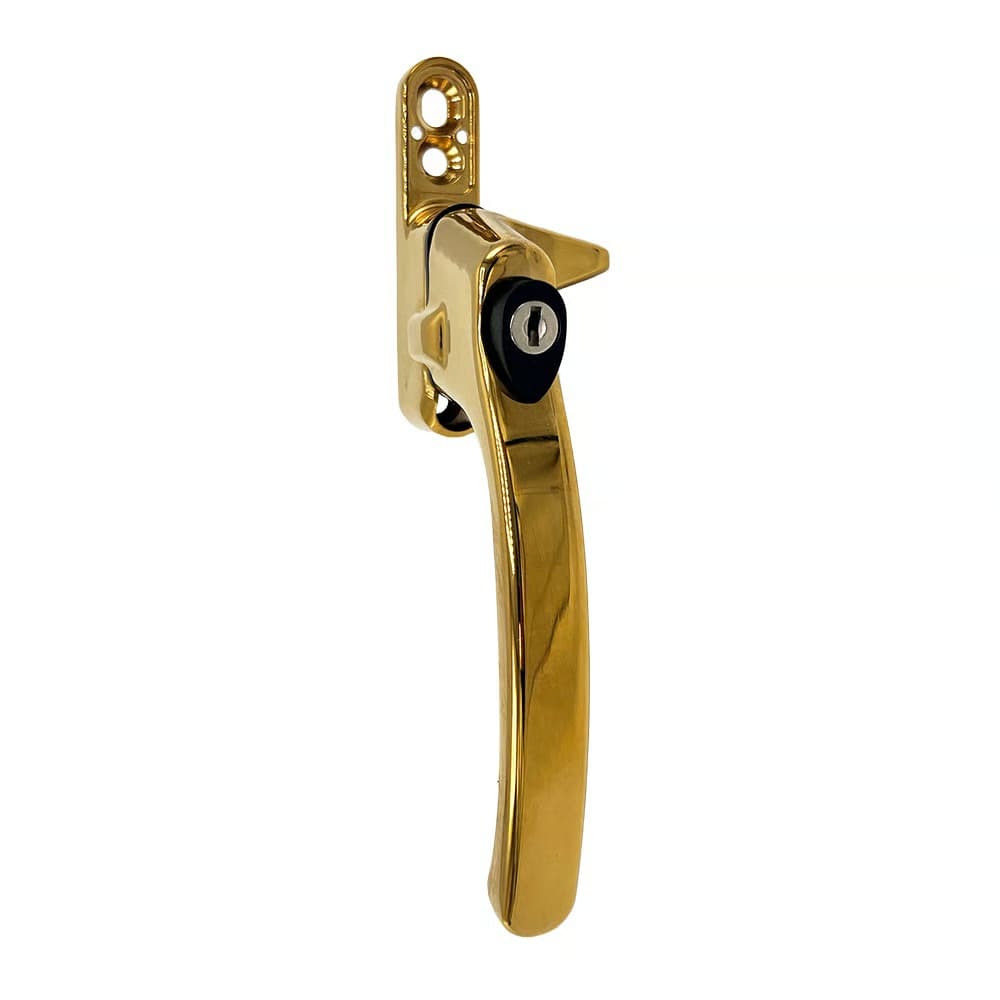
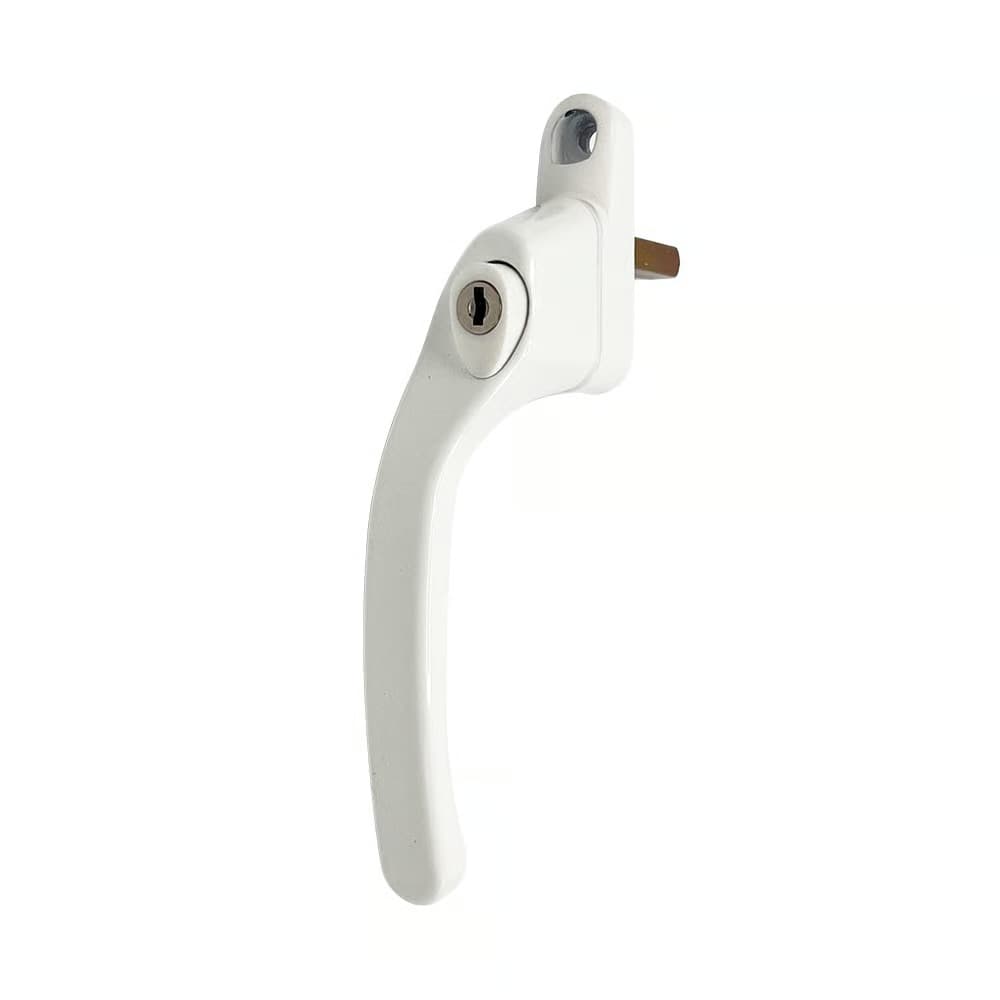
Double Glazed Window Handles Replacement: Upgrading to Locking Handles
Double glazed window handles replacement is a common upgrade that improves security, functionality and appearance of modern windows. Whether replacing worn...
Double glazed window handles replacement is a common upgrade that improves security, functionality and appearance of modern windows. Whether replacing worn espag handles on uPVC casements or fitting locking cockspur handles to timber frames, selecting the right replacement and following correct fitting procedures will extend lifespan, reduce drafts and ensure compliance with current security expectations. This guide offers practical, actionable advice for homeowners and tradespeople undertaking replacement of double glazed window handles, covering selection, measurement, removal, installation and troubleshooting.
Why replace double glazed window handles
Handles wear through frequent use, exposure to weather and mechanical failure of internal mechanisms. Replacing damaged or non-locking handles restores smooth operation and can significantly increase security, particularly when upgrading to locking handles that prevent unauthorised opening from outside. Energy performance can also be improved by ensuring handles and locking mechanisms fully compress seals for airtight closure. For trade professionals, efficient replacement reduces callbacks and enhances customer satisfaction.
Choosing the right replacement handle
Selecting a compatible handle requires attention to handle type, backset (spindle length), screw-centre measurement and locking orientation. Common handle types for double glazed windows include espagnolette (espag) handles, cockspur handles and tilt-and-turn handles. Matching the handle type to the window’s locking mechanism avoids the need for extensive modification.
- For espag gearboxes on uPVC and aluminium casements, choose a handle designed for the same gearbox interface and spindle size, such as the TSS Cockspur Window Handles.
- Traditional timber or aluminium windows commonly use cockspur handles; a high-quality option is the TSS Cockspur Window Handle.
- For residential upgrades demanding robust security and contemporary styling, consider the TSS Offset UPVC Window Handles.
Accurate measurement and compatibility checks
Accurate measurement avoids incorrect purchases. Key measurements include:
- Spindle length: distance from handle base to end of spindle. Measure through the case or by removing the existing handle if necessary.
- Screw centres: distance between fixing screw holes on the handle rose; typically 43mm, 92mm or bespoke sizes on older windows.
- Backset and engagement type: confirm whether the handle engages with a gearbox, espag rod, or cockspur clip. Photograph the existing mechanism for reference.
Preparing for replacement
Prepare tools and safety items: cross-head and flat screwdrivers, Allen keys, replacement screws, lubricant (silicone or light machine oil), threadlocker for trading applications, cleaning cloth and replacement handle pack with spindle and grub screws. For trade work, a portable centre punch and mini hacksaw are useful for on-site adjustments to spindle length.
Isolate the work area to avoid drafts and protect glass with soft tape. For upstairs windows, use correct ladder positions and work with a colleague where necessary.
Removal of existing handles
1. Unlock and open the window to access the rose screws. If a handle is seized, apply penetrating lubricant to the fixing screws and allow time to penetrate. 2. Remove rose screws carefully and lift the handle off the spindle. Retain screws and any cover plates for reference. 3. Inspect the spindle and gearbox for wear—rounded spindles, stripped gearbox teeth or loose espag rods indicate the need for further repair or replacement of the gearbox/rod as well as the handle.
Record orientation of locking cams and any spacers removed to aid correct reassembly.
Installation steps
1. Clean the area around the spindle and apply a drop of light oil to moving parts. 2. Fit the new handle onto the spindle, ensuring the spindle fully engages the gearbox slot. Some handles include a reversible spindle — set it to the correct length and orientation. 3. Align the rose and insert the fixing screws. Tighten progressively to avoid misalignment. Avoid over-tightening on uPVC which can distort the rose. 4. Test operation through the full range: closed, latched and locked positions. Ensure smooth engagement with the espag rod or cockspur and that the handle returns to neutral without binding. 5. For locking models, check key operation or push-button release and ensure the lock secures the handle firmly.
For trade installations, use a drop of threadlocker on the fixing screws where vibration may loosen them and fit anti-tamper screws where security is a priority.
Addressing common problems
- Handle wobbles after fitting: check for correct screw length, ensure the spindle is square-cut and confirm the rose seats against the frame without debris.
- Handle does not fully lock: measure spindle engagement and confirm gearbox alignment; inspect espag rods for worn or missing mushroom cam hooks which may need replacement.
- Stiff or grinding action: clean and lubricate gearbox and espag rod with silicone spray; replace worn gearboxes where lubrication fails to restore smooth action.
- Cosmetic mismatch: consider handle spacers or rose adaptors to cover larger holes on older windows.
Maintenance to extend lifespan
Periodic maintenance prolongs handle life: wipe handles clean, lubricate moving parts annually, tighten screws if they loosen, and inspect locking mechanisms for wear. For coastal properties or high humidity areas, choose corrosion-resistant finishes and increase maintenance frequency.
Legal and security considerations
UK building regulations and insurance policies may require specific security standards, particularly for ground-floor windows. Upgrading to locking handles forms part of a layered security approach including locks, laminated glass and CCTV. Tradespeople should document upgrades for customer records and insurance claims.
Final recommendations
Plan double glazed window handles replacement with accurate measurements and the correct handle type for the locking mechanism. Keep essential spares to hand for trade work and follow manufacturer torque recommendations when installing. Regular maintenance prevents premature failure and maintains security performance.