Double Glazed Window Handles Replacement: When the Mechanism Is the Issue
Double glazed window handles replacement can be straightforward when the issue is wear or a damaged handle, but more complex when the internal mechanism ha...
Double glazed window handles replacement can be straightforward when the issue is wear or a damaged handle, but more complex when the internal mechanism has failed. This article explains how to diagnose mechanism problems, decide between replacing the handle or the gearbox, and carry out safe, effective repairs suitable for both homeowners and tradespeople.
Diagnosing the problem: handle or mechanism?
Symptoms that point to a faulty mechanism rather than just a broken handle include:
- The handle turns freely without engaging the locking points.
- The handle struggles to operate and feels stiff or gritty.
- The window does not lock or unlock consistently.
- Visible gap between handle rotation and movement of the locking mechanism (espag, shootbolt, or espagnolette).
Tools and parts required
Essential tools:
- Torx and Phillips screwdrivers
- Hex key set (if needed for grub screws)
- Small pliers and needle files
- Digital caliper or ruler for spindle measurement
- Penetrating oil and lubricating grease
- Replacement screws matching the original length and thread
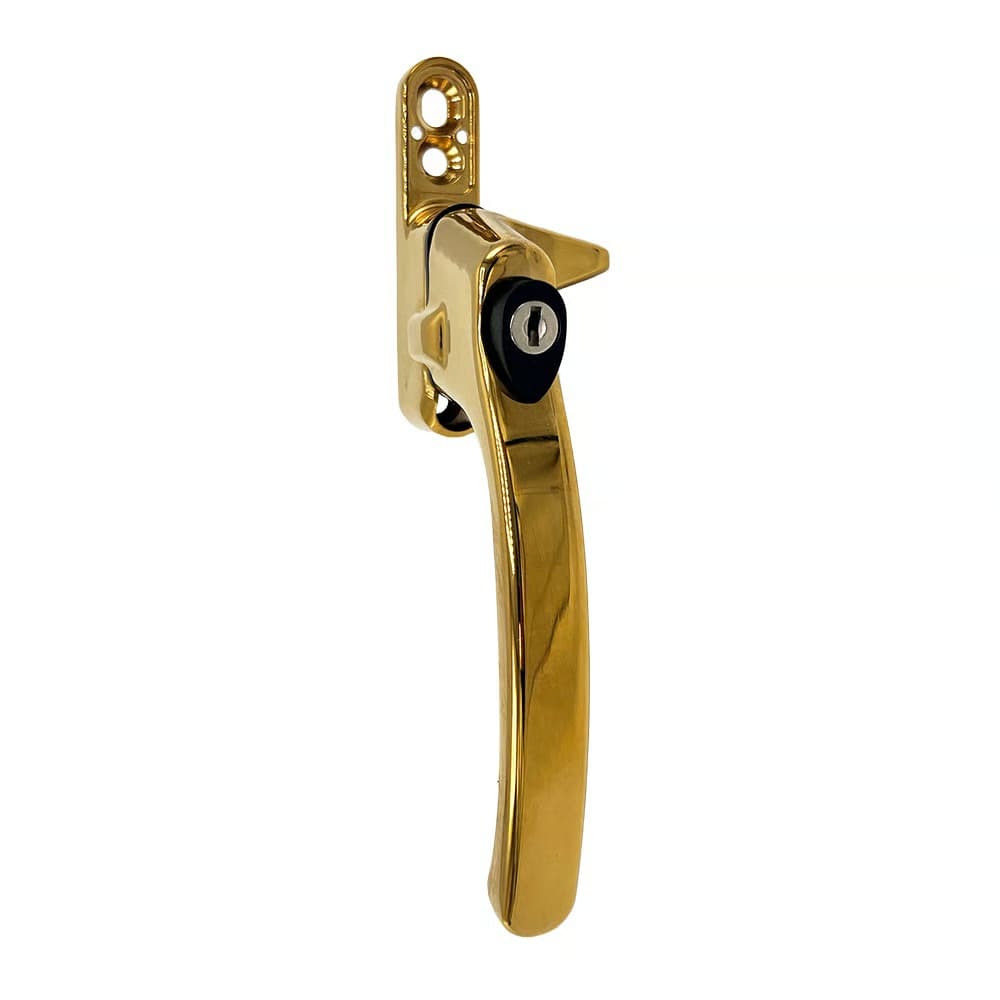
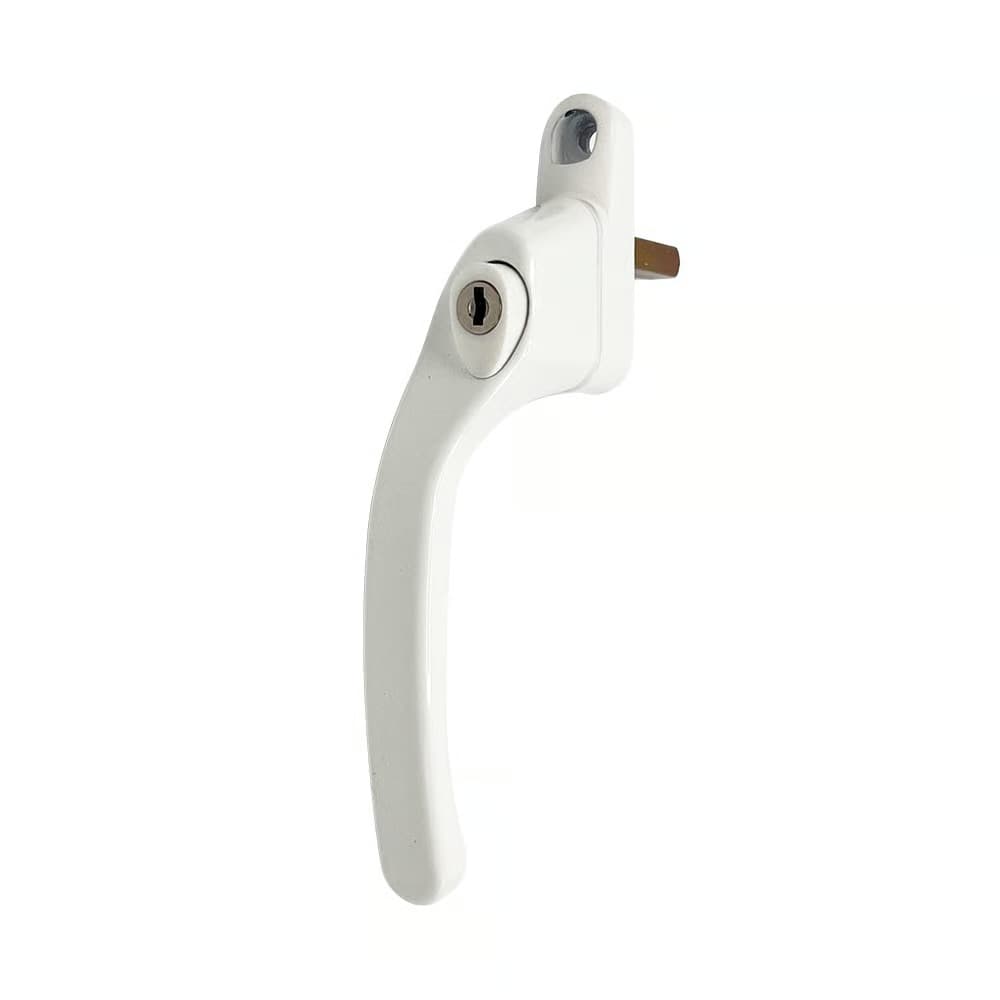
- Standard spindle handles such as the TSS Offset UPVC Window Handles for traditional multi-point systems
- Cockspur handles like the TSS Cockspur Window Handle for casement windows without multi-point gearing
- Espag handles including the TSS Cockspur Window Handles for espagnolette systems
Replacing just the handle
When the mechanism is intact and only the handle is damaged, replacement is fast: 1. Open the window and support it so it cannot close unexpectedly. 2. Remove the handle retaining screw (usually accessible when the handle is in the closed position). 3. Pull the old handle off the spindle; if it is stuck, a little penetrating oil and gentle twisting will free it. 4. Compare spindle dimensions and grub-screw location with the new handle before fitting. 5. Push the new handle on fully, ensuring the grub screw aligns with the spindle flat. 6. Tighten the retaining screw and test operation through full open, tilt and locked positions.
For security-critical windows, fit handles that meet relevant ratings and ensure the spindle engages fully with the gearbox to avoid premature wear.
Replacing or repairing the mechanism
When the mechanism is the failing component, simple handle replacement will not solve the problem. The process differs depending on the system type.
Espagnolette/espag systems:
- Remove the handle and unscrew the inner case-cover plates to expose the espag gearbox and rod.
- Inspect for broken drive gears, sheared pivots or stripped teeth.
- In many cases the entire espag gearbox assembly is replaced rather than repaired, particularly where parts are non-serviceable.
- Ensure the replacement espag length and fixing positions match the original.
- If the handle turns without moving the gearbox, the gearbox or the connection between handle and gearbox is faulty.
- Release the sash from the frame if necessary, then remove the gearbox for inspection.
- Replace the gearbox assembly and re-align the locking cams and keeps. Accurate alignment prevents binding and prolongs life.
- Corrosion or extensive wear that affects sash stability.
- Repeated gearbox failures indicating misalignment or movement of the sash/frame.
- If replacement parts are obsolete or prohibitively expensive, full window replacement may be more economical.
Practical tips for fitting and adjustment
- Mark alignment points before removing the old mechanism so the new parts can be fitted to the same reference.
- Apply a light grease to moving parts but avoid heavy oils that attract dirt.
- Check keeps and strike plates for damage; replace or adjust them to ensure smooth locking.
- After fitting, work the handle through 10–15 cycles to bed in the parts before closing and locking.
- For espag handles, ensure the handle plate sits flush to prevent leverage on the spindle which may cause early failure.
Safety, compliance and security
- Replace handles with products that conform to recognised standards where required. Use cylinder locks or integral lockable handles for windows in vulnerable locations.
- For rental properties or compliance projects, maintain records of part numbers and dates of replacement.
- If dealing with laminated or toughened glass units, support the sash fully before removing heavy hardware to avoid glass damage.
Maintenance to avoid future failure
- Regularly clean and lubricate handle spindles and gearboxes with a silicone-based lubricant.
- Inspect handles and mechanisms annually for play, stiffness or rust.
- Re-tighten mounting screws and adjust keeps if the window starts to bind.
- Consider upgrading to handles with enhanced security features for vulnerable ground-floor windows.