Double Glazing Window Handle Fixings: Screws, Threads, and Tips
Double glazing window handles are a small component with a big impact on performance, security and ease of use. Whether fitting replacement handles, upgrad...
Double glazing window handles are a small component with a big impact on performance, security and ease of use. Whether fitting replacement handles, upgrading for better security or repairing loose fixings, understanding screw types, thread engagement and correct fixing methods avoids damage to the frame and ensures long-lasting operation. The guidance below is aimed at homeowners and tradespeople working with uPVC, aluminium and timber frames.
Common handle types and their fixing requirements
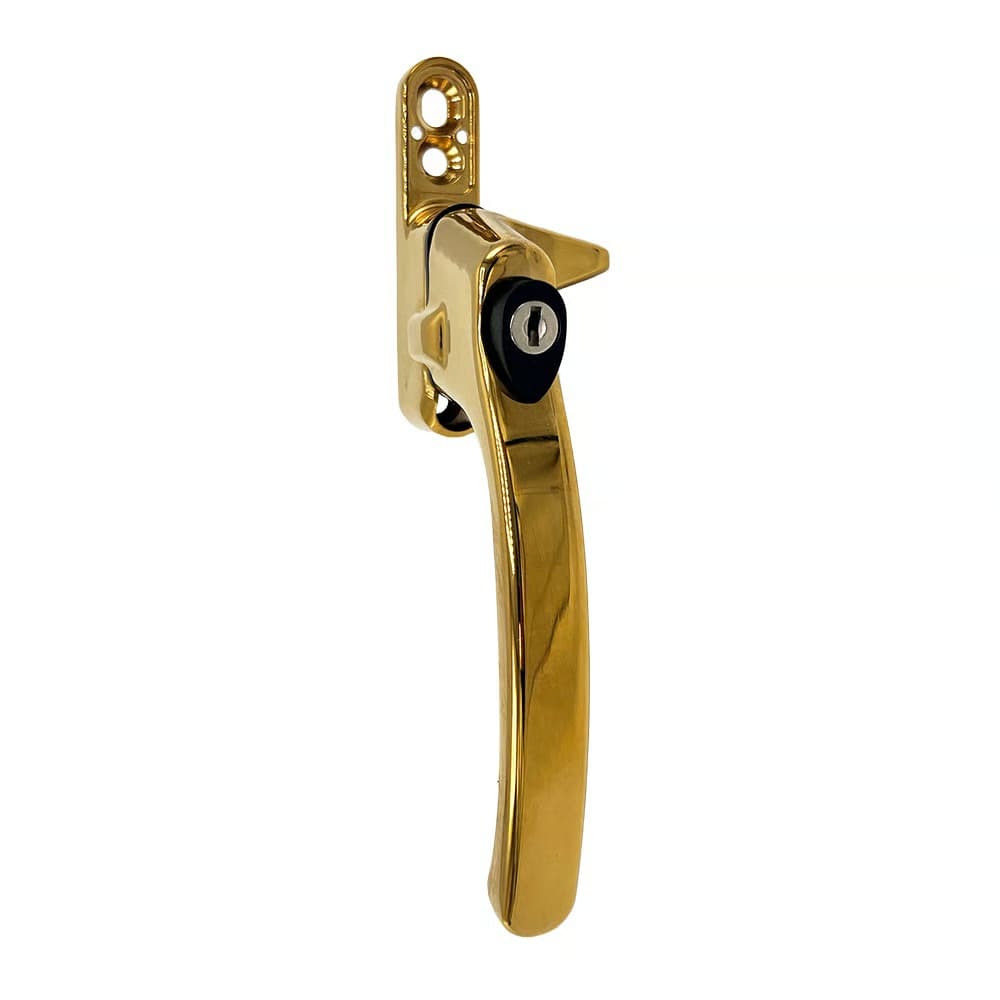
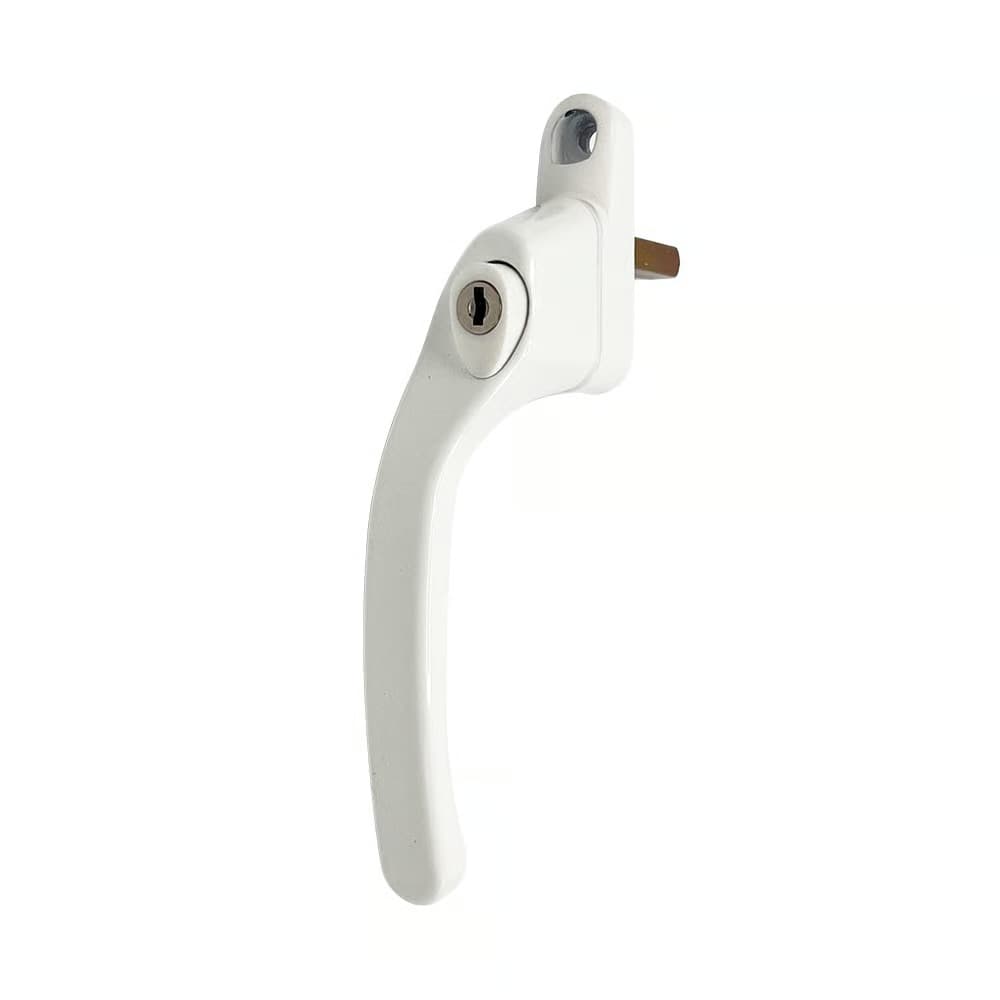
Different handle types use different fixing patterns and screws. Espag handles—commonly used on casement and tilt-and-turn windows—fasten through the handle backplate into the frame or gearbox. The TSS Cockspur Window Handles is typical of modern espagnolette handles and will require accurate alignment with the gearbox spindle and correct screw length to avoid striking the internal mechanism.
Cockspur handles, such as the TSS Cockspur Window Handle, clamp against the sash when turned and are usually fixed with countersunk screws through the base plate into the sash material. These are commonly fitted to older uPVC and timber windows and need screws short enough to avoid protrusion into trickle vents or hardware channels.
Cranked and casement handles like the TSS Offset UPVC Window Handles often use machine threads into the gearbox housing or self-tapping screws into timber. Identifying the handle style before buying fixings avoids common mistakes.
Screws: type, size and material
Choose screws designed for the substrate and environment. Key considerations:
- Material: Use stainless steel screws for external or damp environments to resist corrosion. Zinc-plated screws may be acceptable internally but can rust over time.
- Thread type: For uPVC frames, coarse-threaded self-tapping screws with a sharp point are standard. For timber, wood screws with deeper threads provide better grip. For aluminium frames that have threaded inserts or nutserts, use machine screws to the correct thread pitch.
- Size and length: Typical handle screws are 3.5–4.8 mm diameter (approx. 3.5 mm or 4.0 mm common) and 25–40 mm length. Ensure screw length provides enough engagement—at least 8–10 mm into the substrate—without bottoming out or contacting internal hardware. For backing plates or thicker handle bases, add their thickness when calculating length.
Threads, anchors and inserts
Thread engagement is critical. In uPVC, repeated screw cycles can strip the plastic. Options to restore or strengthen threads include:
- Using slightly larger diameter self-tapping screws for better grip where space allows.
- Installing galvanised brass or nylon thread inserts in timber or uPVC to provide a fresh thread that accepts machine screws.
- For aluminium frames, use rivet nuts (nutserts) or captive nuts to provide reliable machine threads.
Drilling and preparation
Good preparation prevents misalignment and cosmetic damage:
- Mark screw positions accurately using the replacement handle as a template. Ensure the spindle aligns perfectly with the gearbox hole.
- Pre-drill pilot holes: For self-tapping screws in uPVC, pilot holes of 2.5–3.0 mm help guide the screw and reduce splitting or stress. For timber, use a pilot hole sized to the screw core (not the threads) to prevent splitting.
- Countersinking: For countersunk screws, use a small countersink to allow the screw head to sit flush. For headless fixings or raised head screws, choose a drill depth to prevent over-tightening.
- Clean chips and dust from the hole before fitting; debris can prevent full engagement and make the screw work loose.
Torque, tightening and avoiding damage
Over-tightening is a common cause of failure. Use controlled torque:
- Hand-tighten with a screwdriver as the final operation; avoid high-speed impact drivers that can strip plastic or shear threads.
- Tighten until the handle is securely located with no lateral movement; do not compress the handle base plate into the frame overly tightly.
- For metal-to-metal machine screws, a small amount of thread-locker (medium strength) can prevent loosening but avoid thread-lockers that make later removal impossible.
Security considerations
Window handle fixings affect security. Consider the following measures:
- Use high-security handles with anti-snap features and non-standard fixings to deter tampering.
- Fit security screws—tamper-resistant heads or longer engagement screws—to make removal from outside more difficult.
- Ensure the handle engages fully with the espagnolette or gearbox; a misaligned handle can reduce locking points and compromise security.
- For accessible ground-floor windows, use handles with key-locking cylinders or conforming PAS24-compatible hardware where appropriate.
Maintenance and troubleshooting
Regular checks prolong life and performance:
- Inspect handle fixings annually and after storms. Tighten any loose screws carefully.
- Lubricate moving parts of the mechanism with a light machine oil or silicone spray annually; avoid heavy greases that attract dust.
- Replace damaged or worn fixings immediately. Repeated flexing of a loose handle can crack the sash material.
- For handles that wobble despite tight screws, investigate stripped frame material and use thread inserts or backing plates to restore a solid fixing.
Practical checklist for replacement or repair
- Identify handle type and substrate (uPVC, timber, aluminium).
- Measure spindle size and fixing hole centres on the old handle.
- Select stainless steel or appropriate screws sized for engagement of at least 8–10 mm.
- Pre-drill pilot holes and check alignment with gearbox or striker.
- Tighten by hand to a snug fit; avoid over-torquing.
- Use thread repair inserts or backing plates where material is damaged.
- Upgrade to a locking or securo handle if additional security is required.