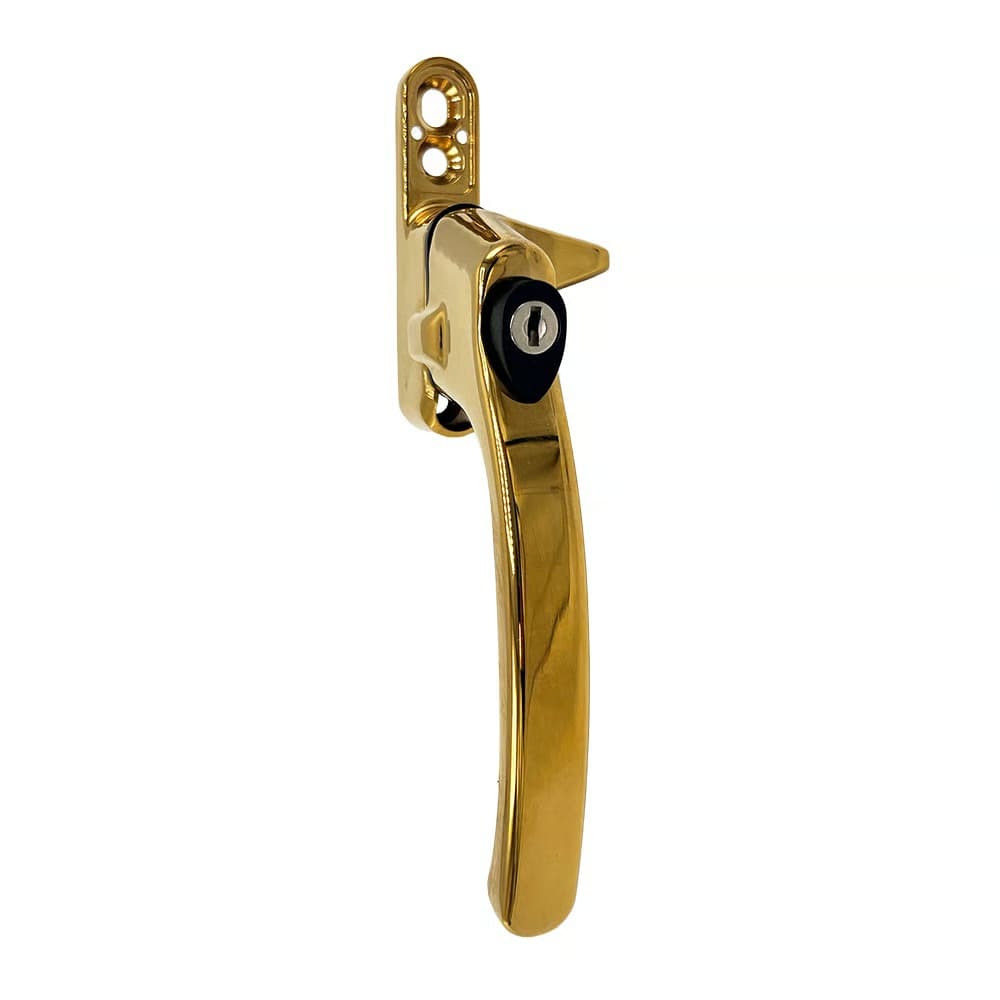
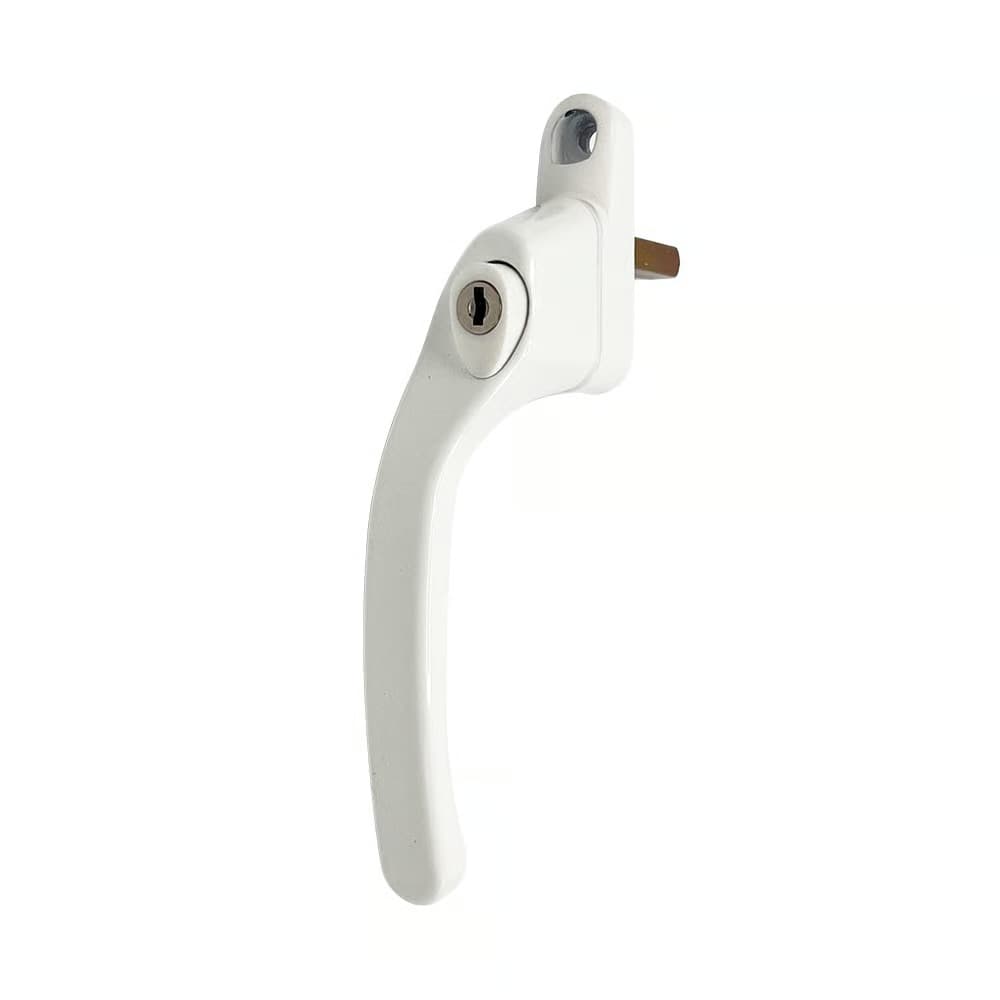
Double Glazing Window Handle Spindle Length: How to Choose
Choosing the correct spindle length for double glazing window handles is a small but crucial step when replacing handles or fitting new windows. Accurate s...
Choosing the correct spindle length for double glazing window handles is a small but crucial step when replacing handles or fitting new windows. Accurate spindle selection ensures smooth operation, prevents handle wobble and damage to the locking mechanism, and maintains security and weatherproofing. This guide explains how to measure spindle length, recognises common variations, and offers practical tips for homeowners and tradespeople to get the right fit first time.
What a spindle does and why length matters
The spindle is the square or shaped bar that connects the window handle to the internal locking mechanism. Spindle length determines how far the handle sits from the lock mechanism and from the face of the window frame. Too short and the handle will not engage the gearbox properly; too long and the handle will strain the mechanism or stick out awkwardly, possibly preventing the handle from returning to the closed position.
Correct spindle length affects:
- Secure engagement with the espagnolette or locking gear
- Ergonomics and handle clearance for trims and beads
- Long-term wear on the gearbox and handle bushes
Common spindle types and sizes
There are several spindle types used on double-glazed windows:
- Espag (espagnolette) spindles — typically square and fitted into an espagnolette gearbox. Many modern uPVC windows use a 7 mm square spindle.
- Cockspur spindles — usually part of a simpler cockspur handle assembly that clamps over the lock face.
- Cranked or offset spindles — used where handles are set away from the frame face or when beads/trims obstruct a straight fit.
How to measure spindle length — step-by-step
1. Prepare the window: Ensure the window is closed and stable. Remove any foil or trims that obstruct access to the handle and locking area. 2. Remove the handle: Unscrew and lift off the handle to reveal the spindle. Keep screws safe for refitting. 3. Identify the reference points: For most square spindles the measurement is taken from the face of the handle rose or the surface that sits flush with the window frame (the inner face) to the tip of the spindle. If the handle had a collar or shoulder, measure from the point that originally sat against the handle base. 4. Measure accurately: Use a vernier or steel ruler and record the length to the nearest millimetre. For example, if the spindle protrudes 22 mm from the faceplate and the handle base accounts for 17 mm, the overall spindle will typically be recorded as 35 mm. 5. Check the spindle width: Most espag spindles are 7 mm square; cockspur systems may use different profiles. Measure the cross-section to ensure the new handle’s bore will accept the spindle. 6. Note any offsets or crimps: If the spindle is cranked or has a flattened section, measure accordingly and consider the orientation of any offsets when ordering a replacement.
Practical tip: Photograph the removed handle and spindle from several angles. A clear image helps suppliers identify the correct replacement if dimensions are uncertain.
Selecting the correct handle and spindle combination
When ordering replacements, match three things:
- Spindle length (measured)
- Spindle profile (square, D-shaped, flattened, cranked)
- Fixing screw positions and handle rose size
Tradespeople should maintain a small stock of popular spindle lengths and adjustable units to reduce return visits. Homeowners replacing a single handle will often find a direct-fit replacement if measurement is precise.
Security and longevity considerations
Higher-quality handles and spindles reduce play and wear. Look for handles rated for durable use and with secure fixing screws that prevent loosening. For bathrooms or communal areas, consider handles with integrated locks or key options that protect access while maintaining correct spindle compatibility.
Avoid over-tightening set screws that secure the handle to the spindle; excessive force can deform the spindle and cause premature failure. If the spindle or gearbox shows corrosion or wear, replace both items rather than just the handle to ensure long-term reliability.
Troubleshooting common fit problems
- Handle wobbles after replacement: Re-check spindle length and the diameter; ensure set screw is correctly located on a flat or square face. Replace worn bushes if present.
- Handle stiff or doesn’t return: Spindle may be too long or incorrectly cranked; shorten to correct length or use an adjustable spindle. Lubricate gearbox with a light machine oil or silicone spray (avoid heavy greases that attract dirt).
- Handle clears face but won’t engage lock: Spindle profile may be wrong — a D-shaped or flattened section might be required to engage the lock properly.
Final checklist before ordering
- Confirm spindle length to the nearest millimetre
- Verify spindle profile and thickness
- Check handle rose size and fixing screw positions
- Decide whether adjustable or fixed-length spindle best suits the situation
- Consider replacing worn gear as a pair to avoid repeat failures