Double Glazing Window Handles: A Complete Guide
Double glazing window handles are a small but vital component of any modern window system. They affect security, functionality and the overall finish of a...
Double glazing window handles are a small but vital component of any modern window system. They affect security, functionality and the overall finish of a property. This guide explains the main types of handles available, how to choose the right one for different window styles, practical installation and maintenance tips, and compliance with security standards so both homeowners and tradespeople can make informed decisions.
Types of double glazing window handles
Understanding the common styles makes specifying or replacing handles straightforward.
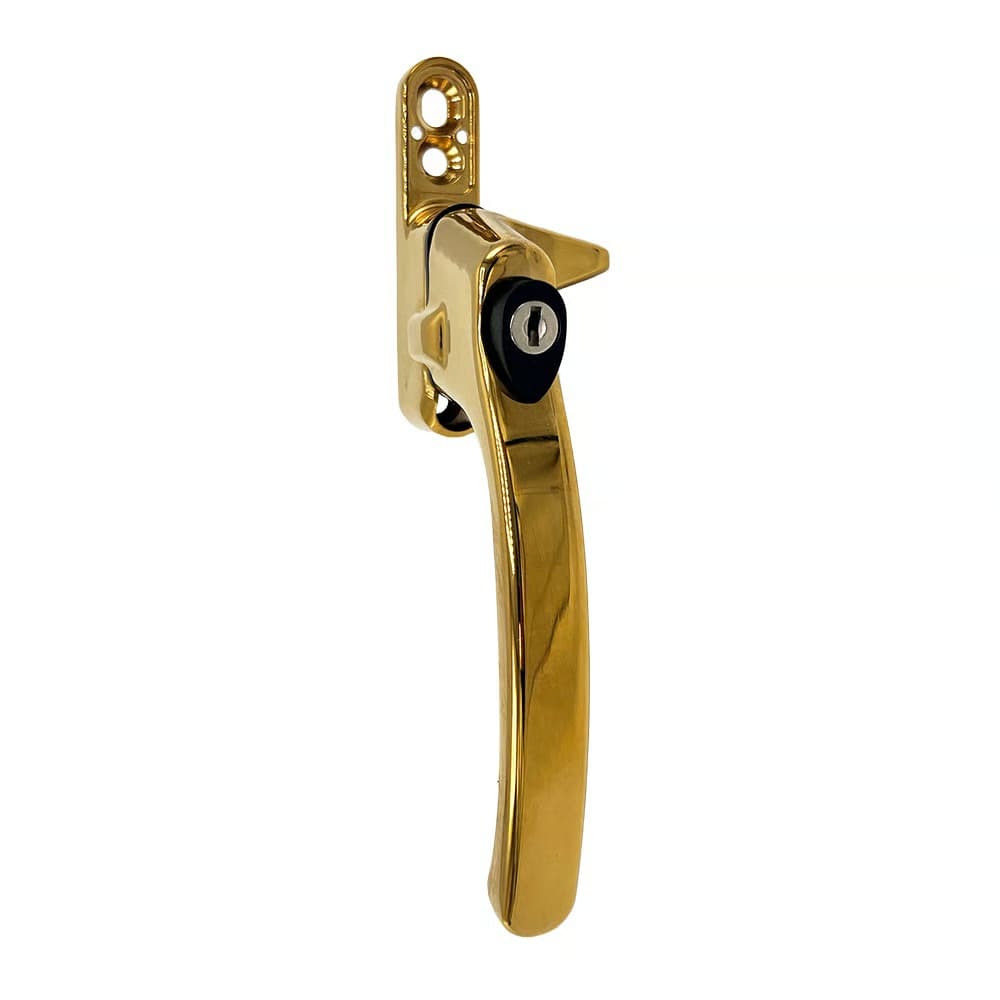
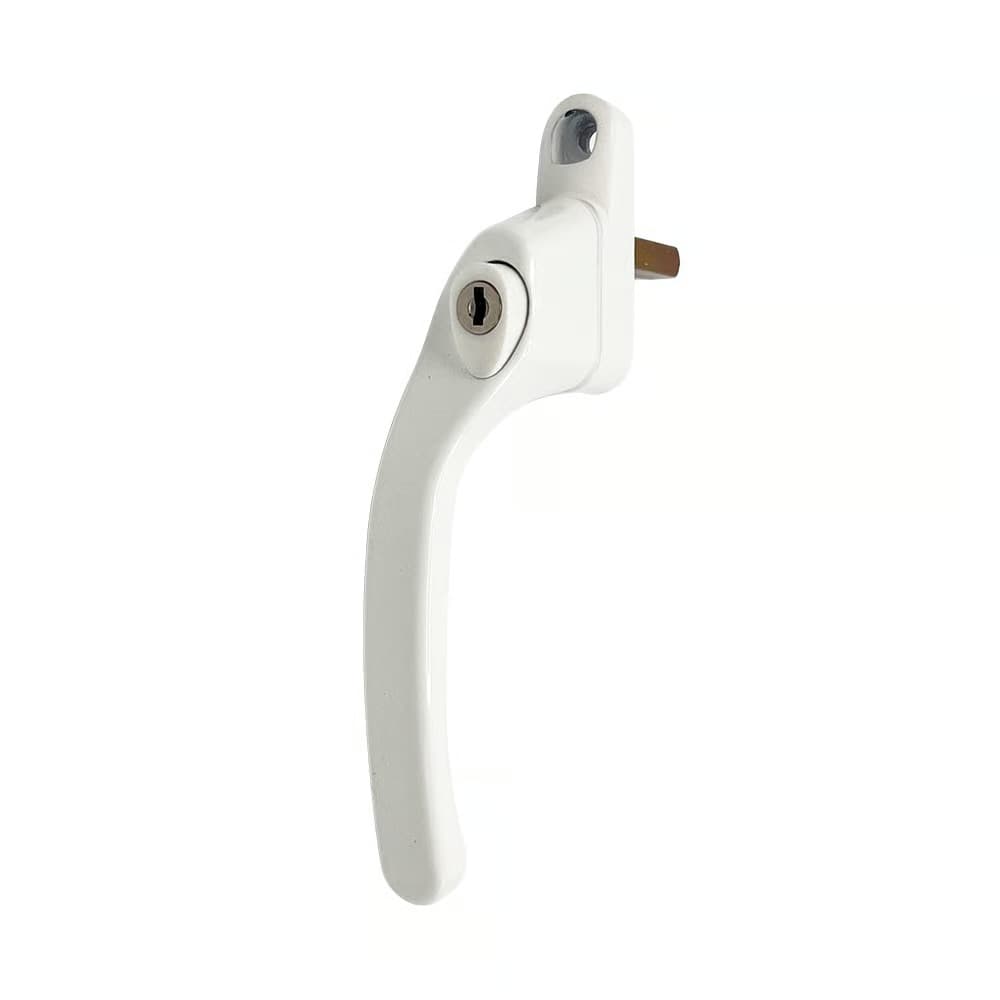
- Espag/espagnolette handles: Typically used on casement windows with multi-point locking. These operate an internal locking mechanism via a spindle and are often found in residential and commercial properties. For robust security and contemporary designs, the TSS Cockspur Window Handles is a typical example of a market-leading espag handle.
- Cockspur handles: A simple lever-turn handle that engages directly with the frame catch. Suitable for older or budget installations and for quick retrofit repairs. The TSS Cockspur Window Handle is representative of this category.
- Inline/tilt-and-turn handles: Found on systems that tilt for ventilation and turn for full opening. These require a handle compatible with the gearbox and locking mechanism.
- Monkey tail, cranked and heritage handles: Designed for period properties where aesthetics are as important as function. Finishes and shapes can be chosen to match traditional ironmongery styles.
- Lockable handles: Many modern handles incorporate a key lock for extra security. For a standard trade option combining affordability and security, the TSS Offset UPVC Window Handles shows how mainstream manufacturers balance these needs.
Selecting the right handle for performance and security
Choose a handle based on window type, usage, user needs and regulatory requirements.
- Match handle type to locking system: Espag handles need compatible espagnolette gearboxes; cockspur handles must align with catch plates.
- Consider locking: Key-lockable handles are recommended for ground-floor windows or where extra child-safety control is required. Check that keys are readily available and can be rekeyed to match other locks if needed.
- Durability and finish: For coastal or humid environments choose corrosion-resistant finishes (stainless or specially coated). Ensure the handle’s spindle and fixings are substantial enough for frequent operation.
- Accessibility: For assisted living or high-use communal areas, lever handles with ergonomic profiles reduce strain. Tradespeople should note spindle lengths and screw centres to avoid alignment issues.
- Compliance and security ratings: Where required, specify handles tested to recognised standards such as PAS 24 or Secured by Design. For retrofit jobs, upgrading to a lockable handle can improve an existing window’s security rating.
Practical installation tips for tradespeople
Correct installation ensures longevity and prevents failures.
- Measure twice: Confirm screw centres, spindle length and handle orientation (left/right handed). Record existing dimensions before ordering replacements.
- Remove paint build-up: On older frames, paint can obstruct closing. Carefully remove any paint from the engage areas before fitting the new handle to ensure a full lock.
- Use correct fixings: Use the manufacturer’s recommended screws and torque. Over-tightening can strip threads or deform the handle base; under-tightening will loosen with use.
- Check for alignment: Operate the window fully after installation to confirm the handle engages smoothly with the gearbox or catch plate. Adjust keepers or striker plates as necessary.
- Retain spares: Keep spare keys (for lockable handles) and one extra handle of the same type on-site for quick replacements during maintenance calls.
Maintenance to extend life and ensure security
Routine maintenance keeps handles operating reliably and reduces call-backs.
- Cleaning: Wipe handles with a mild detergent and soft cloth. Avoid abrasive cleaners that can remove corrosion-resistant coatings.
- Lubrication: Apply a light machine oil to moving parts annually, including the spindle and locking mechanism. Do not use heavy grease that can attract dust.
- Check fixings: Inspect screws and fastenings during annual servicing. Re-tighten to manufacturer torque settings where specified.
- Replace worn parts promptly: Sluggish operation, loose fit or difficulty locking are signs of wear. Replacing a handle is often quicker and cheaper than repairing corroded internal gear.
- Key management: Keep spare keys in a secure, known location. For communal properties, consider master-keyed solutions to manage access effectively.
Common retrofit and upgrade scenarios
Tradespeople frequently encounter older windows requiring updates to meet modern expectations.
- Upgrading security: Replace non-locking handles on vulnerable windows with lockable variants and fit reinforced keepers.
- Accessibility upgrades: Swap small knobs for lever handles and ensure spindle lengths match the new hardware.
- Matching aesthetics: Choose handles in complementary finishes when replacing only a few units to maintain visual consistency across a property.
- Energy and ventilation: For windows with trickle vents or limiters, choose handles compatible with these systems to retain energy performance and safety.
Final considerations
Selecting the right double glazing window handles involves balancing security, compatibility and aesthetics. Accurate measurement, using correct fixings, and regular maintenance will extend service life and reduce the need for replacements. Tradespeople benefit from standardising on a few reliable product lines to speed installations and simplify stock control, while homeowners should prioritise lockable options for ground-floor windows and corrosion-resistant finishes for exposed locations.
For further detail on handle types, finishes and technical specifications, consult the comprehensive Window Handles Guide.