Double Glazing Window Handles: Common Screw Centre Sizes
Double glazing window handles are a small component with a big impact on security, operation and aesthetics. Choosing the correct replacement means matchin...
Double glazing window handles are a small component with a big impact on security, operation and aesthetics. Choosing the correct replacement means matching screw centre measurements, spindle and fixing screw lengths, and the handle type to the existing hardware. This guide explains how to identify common screw centre sizes, what to measure, and practical steps for ordering and installing the correct handle for uPVC, aluminium and timber double glazed windows.
What is the screw centre and why it matters
The screw centre (centre-to-centre) is the distance between the two fixing screw holes on a handle backplate measured from the centre of one screw to the centre of the other. It is the primary dimension for matching a replacement handle to an existing cut-out or mounting holes. Installing a handle with the wrong screw centre can lead to misalignment, stripped threads or cosmetic holes that compromise weathering and security.
Correctly matched screw centres make replacements quick and avoid the need for adapter plates or re-drilling, particularly important for uPVC frames where material strength and aesthetics are concerns.
Common screw centre sizes for double glazing window handles
Although manufacturers use a variety of measurements, these screw centre sizes are commonly encountered:
- 43 mm — Very common on espagnolette (espag) handles and many modern uPVC casement windows.
- 48 mm — Often found on certain legacy uPVC handles and some tilt-and-turn styles.
- 56–57 mm — Seen on several cockspur and older casement handles.
- 70 mm — Used on some espagnolette variants and larger backplates for improved leverage and security.
Measuring the screw centre correctly — step by step
1. Remove the handle: Unscrew the visible fixing screws and remove the handle to expose the backplate or mounting holes. Keep screws safe in case the same ones are needed. 2. Measure across the centres: Use a vernier caliper or a steel ruler. Measure from the centre of one screw hole to the centre of the other. If holes are countersunk or elongated, measure the mid-point. 3. Verify spindle size: Measure the spindle (square rod) width across flats — 7 mm square is the most common for modern handles. Note length too; long spindles can be trimmed, but too short may prevent engagement with the gearbox. 4. Check screw length and thread: For uPVC, typical fixing screws are 25–35 mm long depending on frame thickness. If the screw draws into metal or timber, record the thread type (coarse/wood or machine). 5. Note backplate style and handedness: Some handles are reversible, others are handed (left or right). Photograph the handle and frame orientation for reference when ordering.
Matching handle type to function
Different handle designs pair with different locking mechanisms:
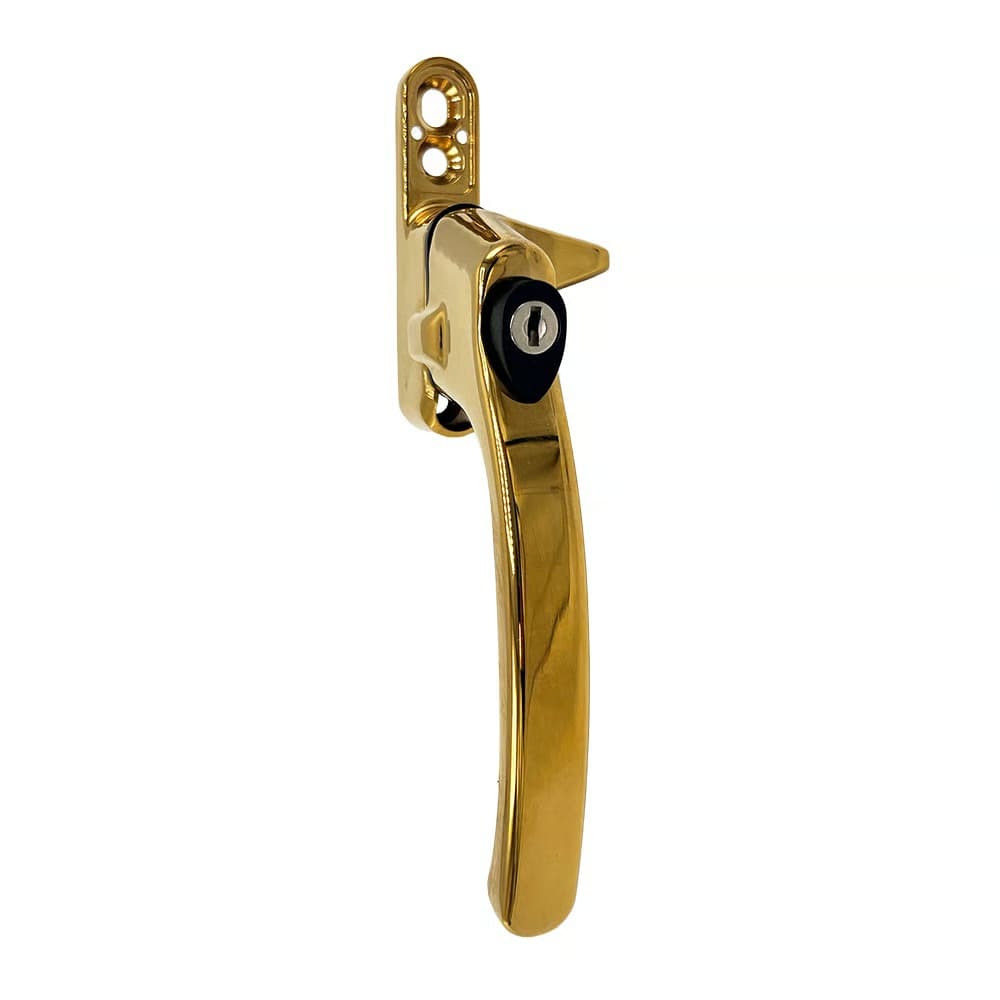
- Espag/espagnolette handles connect to a gearbox and operate rods or a locking mechanism within the sash. For espag replacements, the screw centre, spindle size and gearbox interface must match. Consider the security rating required; higher-rated handles improve resistance to forced entry. A robust example is the TSS Cockspur Window Handles.
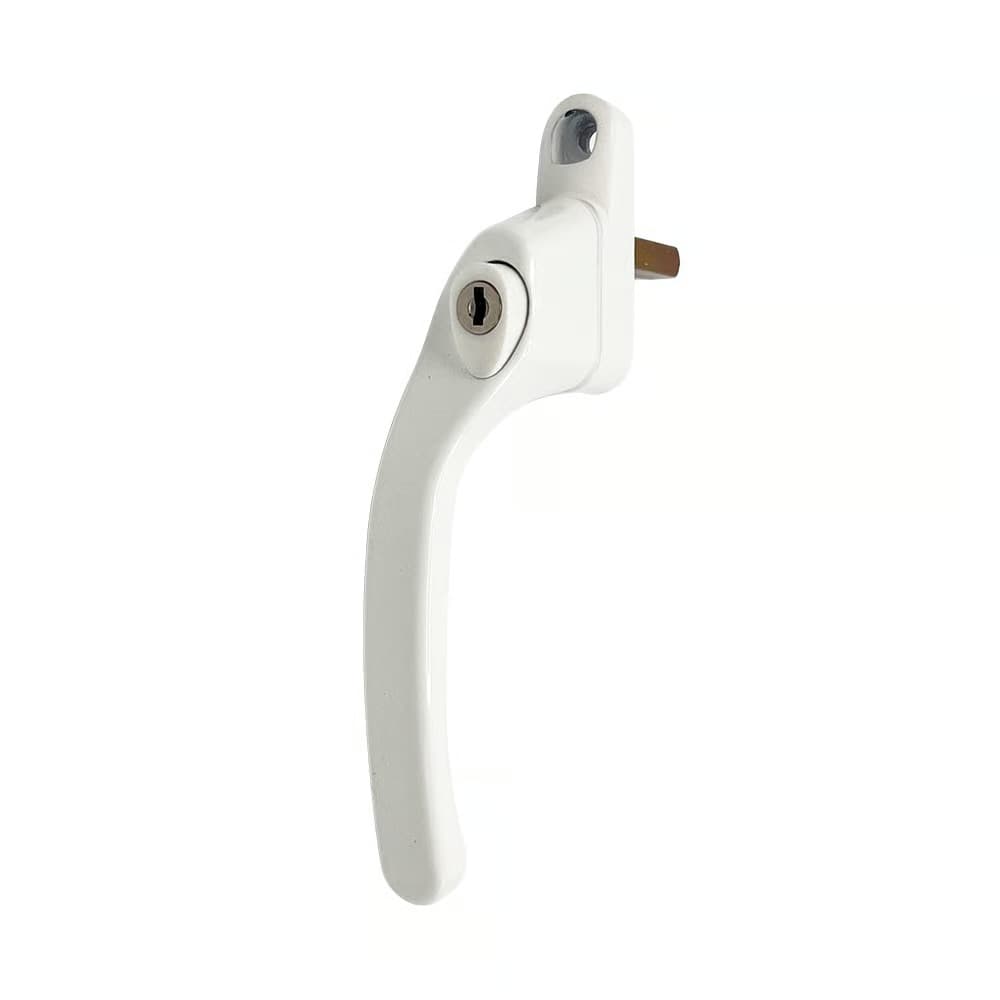
- Cockspur handles fit externally to the face of the frame and clamp against keepers on the frame. They often use a shorter screw centre and are common on simpler casement windows. The TSS Cockspur Window Handle is a representative option for this style.
- Traditional lever-lock or sash handles may use different fixings and centres; check whether the handle fastens through the sash or into an inner plate.
Practical tips for ordering replacements
- Match the screw centre first: This avoids cosmetic and structural issues. Use the measured figure as the main search parameter.
- Check spindle compatibility: Confirm spindle width and length match the new handle; some replacement handles come with adjustable spindles or adapters.
- Consider security upgrades: Replacing a basic handle with a more secure model can improve window resilience. Look for product descriptions that reference multi-point gearbox compatibility or security ratings, such as the TSS Offset UPVC Window Handles.
- Keep finish and material in mind: Choose corrosion-resistant finishes for coastal properties (marine-grade stainless components or a durable powder coat).
- Order spare screws: Matching screws in length and thread can be difficult; include suitable fixings when ordering if unsure.
- Measure twice: Take two independent measurements (one with a ruler, one with calipers) to avoid ordering the wrong size.
Installation checklist and best practice
- Use the correct screwdriver: Pozi-drive bits are common on uPVC fixings — avoid stripping heads by using the correct bit.
- Do not overtighten: Screws should be snug but not so tight that the handle backplate deforms the uPVC.
- Seal any gaps: If there are minor gaps where the old handle sat, use a small bead of appropriate sealant to prevent water ingress.
- Adjust gearbox engagement: If the handle operates a gearbox, ensure the spindle fully engages before tightening the fixings.
- Test operation before finishing: Work the handle through its full travel to check for binding or misalignment before completing the installation.
When to call a professional
Complex multipoint systems, specialist heritage windows or cases where the handle fixings have damaged the frame require professional attention. Tradespeople can repair or replace internal gearboxes, re-machine timber, and ensure security components are correctly aligned.
Double glazing window handles are straightforward to replace when the screw centre, spindle and fixing details are known. Accurate measurement, choosing the correct handle type and paying attention to fixing length and finish will ensure a durable, secure replacement without unnecessary frame modification.