Double Glazing Window Handles: Espag vs Cockspur vs Tilt and Turn
Double glazing window handles play an important role in the operation, security and appearance of modern windows. Whether specifying hardware for a refurbi...
Double glazing window handles play an important role in the operation, security and appearance of modern windows. Whether specifying hardware for a refurbishment or replacing worn handles on a trade job, understanding the differences between espag, cockspur and tilt‑and‑turn mechanisms helps ensure correct performance, compliance with building regulations and a neat finish that suits the property.
Common types of double glazing window handles
This section outlines the three main handle types commonly encountered on UK double glazing and when each is typically used.
Espag (espagnolette) handles
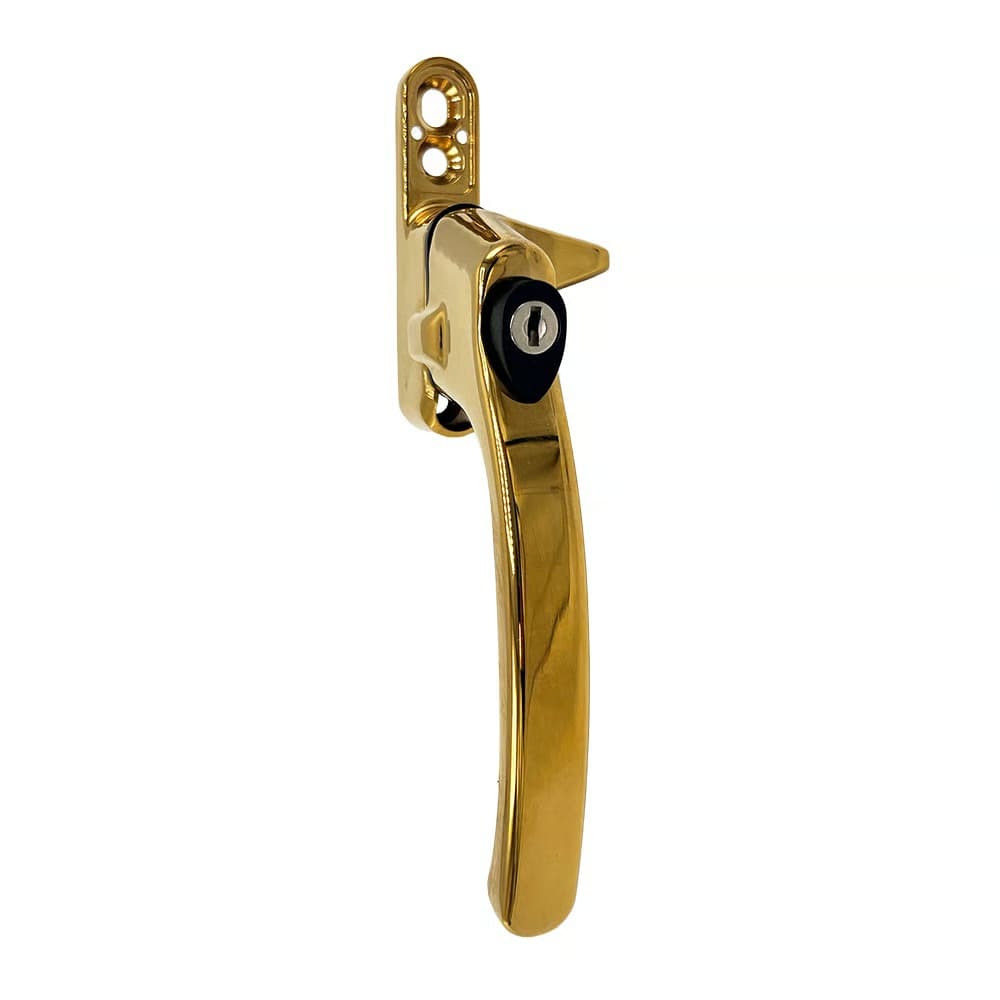
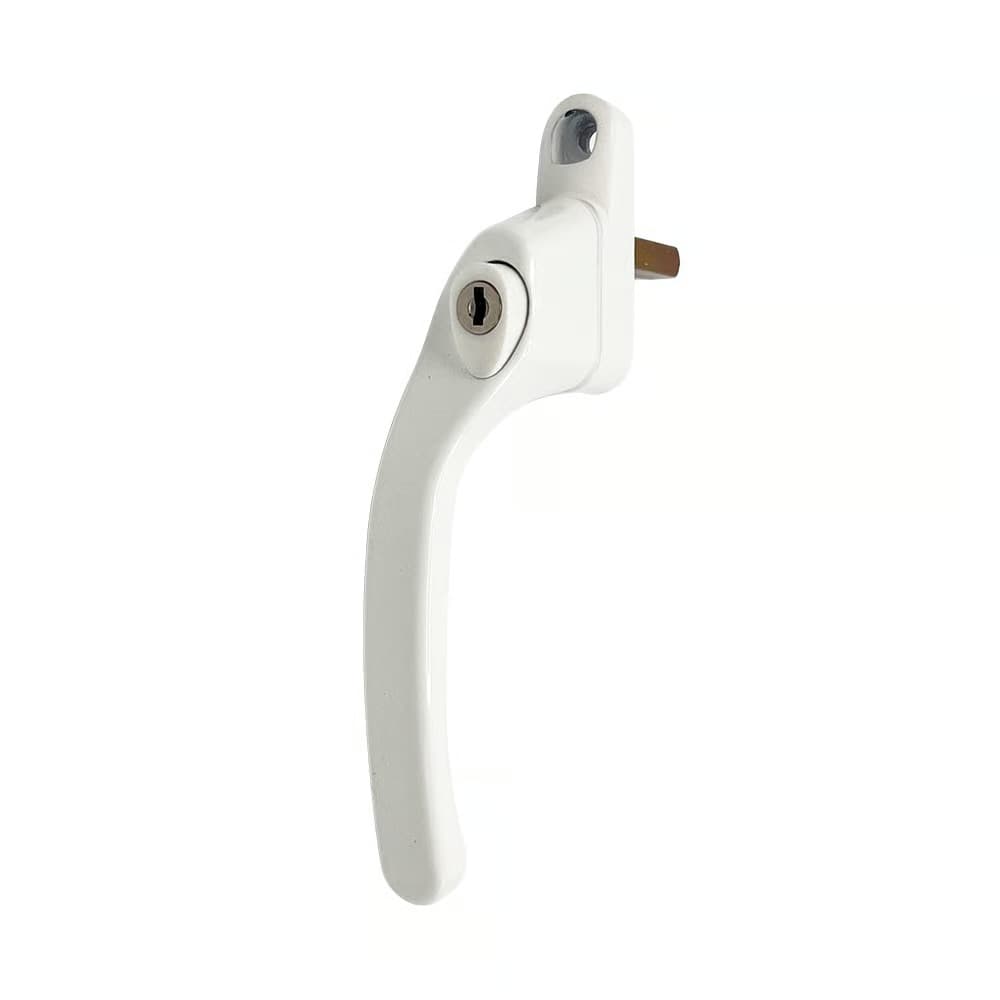
Espag handles operate a multi‑point locking mechanism via a spindle that turns an espag rod fitted into the sash. They are the predominant choice for casement windows where robust security and weather performance are required. Espag handles are keyed or non‑keyed, and many models include anti‑snap and anti‑lift features.For retrofit or new installations, the TSS Cockspur Window Handles provides a reliable, trade‑friendly option with a solid feel and standard fixing centres. When replacing an espag handle, measure the spindle length and fixing hole centres to ensure compatibility with the existing window gear.
Cockspur handles
Cockspur handles are surface mounted and latch onto the face of the frame, making them a common solution for older or budget double glazing where a full multipoint system is not present. They are quick to fit, low cost and straightforward to operate. Cockspur handles are often used on aluminium or thin‑profile PVC‑U frames.The TSS Cockspur Window Handle is a typical example that suits many retrofit situations. It is important to check the backset — the distance from the handle centre to the sash edge — before ordering replacements to ensure the latch engages correctly.
Tilt and turn handles
Tilt and turn windows require a specific handle that operates two distinct functions: tilting the sash for ventilation and turning it inwards for cleaning or emergency egress. These handles use a spindle and gearbox designed to operate the specialised hardware of tilt‑and‑turn systems. They are often found in higher‑spec aluminium and PVC‑U installations where access and ventilation control are priorities.The TSS Offset UPVC Window Handles is suited to modern tilt‑and‑turn fittings and includes the required spindle and locking options for secure operation. Ensure the handle orientation and spindle length correspond to the window manufacturer’s requirements during replacement.
Choosing the right handle: practical considerations
Consider the following factors when selecting double glazing window handles for a project:
- Function: Confirm whether the window is a standard casement, a tilt‑and‑turn, or a simpler latch system. Function dictates handle type.
- Security: For ground‑floor apertures and accessible windows, specify handles with key locking or anti‑jemmy features. Espag handles with 3 star or higher security ratings are recommended where required.
- Compatibility: Measure spindle length, screw centres and backset. Many replacement problems stem from incorrect dimensions rather than poor product quality.
- Finish and ergonomics: Choose a finish (white, chrome, satin, bronze) that complements the window frames and building style. Consider lever length and user comfort, especially for elderly occupants.
- Standards and certification: Select handles that meet relevant British Standards and Secured by Design recommendations where security is a priority.
Installation tips for tradespeople and competent DIYers
Proper fitting ensures longevity and performance. Follow these practical steps:
- Remove the old handle carefully to inspect the lock case or espag rod for wear. If the espag rod has damaged teeth or the gearbox is worn, replace the mechanism rather than only the handle.
- Confirm the spindle length: spindles are typically 35mm, 45mm or longer. Excessive spindle protrusion can prevent full locking; too short will stop operation.
- Align the handle before tightening screws. Misalignment can lead to binding and premature failure.
- Use threadlocker sparingly on wood or metal frames where screws can loosen due to vibration, but avoid on PVC‑U where components may need future adjustment.
- For keyed handles, fit them so the key can be operated easily when the sash is in the closed position. Test multiple cycles before finishing.
Maintenance and troubleshooting
Regular maintenance keeps double glazing window handles functioning reliably:
- Clean with a mild detergent and water; avoid bleach or abrasive cleaners that damage finishes.
- Lubricate moving parts annually with a light machine oil or spray lubricant suitable for window hardware. Avoid over‑oiling which attracts dust.
- Check fixings for tightness and inspect the espag rod and gearbox for play. Replace worn parts promptly to prevent security compromises.
- If a handle becomes stiff, remove it and inspect the spindle and gearbox; often dirt or corrosion is the cause rather than a failed handle.
Security and regulations
When installing or replacing handles on double glazed windows, consider compliance and safety:
- Ground floor and easily accessible windows should use locking handles or keyed options to deter opportunistic entry.
- For escape routes, such as those required by building regulations, ensure handle and hardware choices allow quick egress without removing keys or tools.
- Where specified, choose products compliant with Secured by Design or with recognised security ratings.
Summary
Selecting the correct double glazing window handles depends on window type, security needs and compatibility with existing hardware. Espag handles offer robust multipoint locking for casements, cockspur handles provide a simple surface‑mounted solution for retrofits and tilt‑and‑turn systems require dedicated handles with the correct spindle and gearbox. Practical measurement, correct fitting and routine maintenance ensure reliable operation and safety. Further guidance on choosing the right hardware and measuring for replacements is available in the retailer’s comprehensive resource: Window Handles Guide